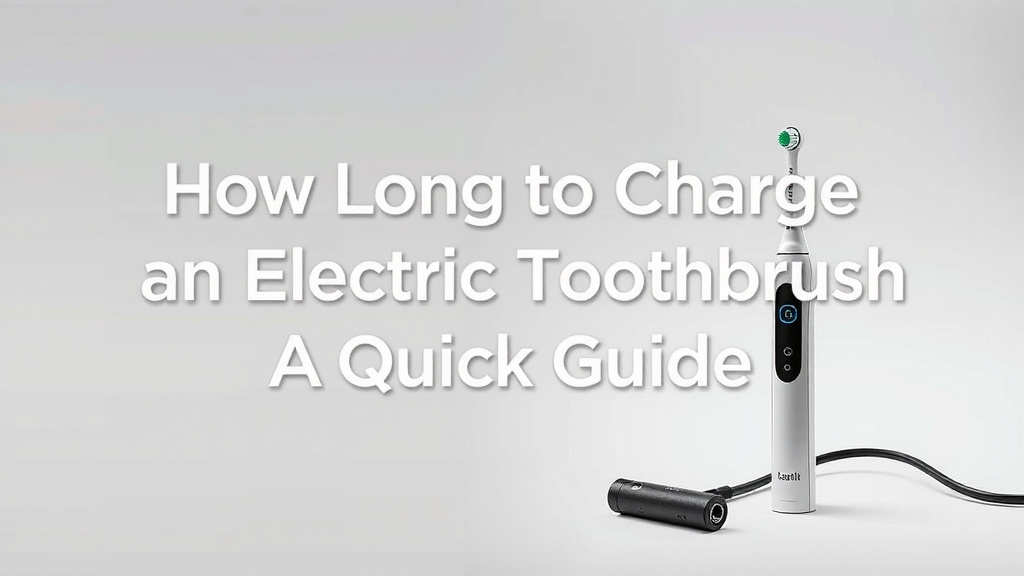
How Long to Charge Your Electric Toothbrush: A Quick Guide
Most electric toothbrushes need about 12 to 16 hours for a full charge. This ensures your toothbrush has enough power for multiple brushing sessions. Some models might charge faster, taking as little as 4 hours.
Charging times can vary based on the brand and model of your toothbrush. Always check your user manual for the most accurate charging duration. Proper charging helps maintain your toothbrush’s battery health over time.
- Most toothbrushes charge fully in 12-16 hours.
- Some newer models charge in as little as 4 hours.
- Always check your specific toothbrush’s manual.
- Full charging promotes better battery life.
Let’s dive deeper into how to get the best charge for your electric toothbrush.
Understanding Your Electric Toothbrush’s Charging Time
So, you’ve got a shiny new electric toothbrush, and you’re wondering about its power needs. It’s a common question! How long should you actually leave it on the charger? We found that most electric toothbrushes need a good chunk of time to reach a full charge. This isn’t just about convenience; it’s about ensuring your toothbrush is ready for action whenever you need it. Think of it like charging your phone – you wouldn’t want it to die mid-scroll, right?
The good news is that once charged, many models can last for weeks. This means you don’t have to live tethered to a power outlet. We’ve researched this, and the general consensus is that a full charge provides plenty of juice for multiple brushing sessions. So, let’s get into the specifics of what makes charging times vary and how to best care for your toothbrush’s battery.
Typical Charging Durations
When we talk about electric toothbrush charging times, there’s a pretty wide range. For a long time, the standard was around 12 to 16 hours. This might sound like a long time, especially if you’re used to faster charging devices. But remember, this full charge typically powers your toothbrush for about two weeks of regular use. That’s two weeks of confidently clean teeth without needing to plug it in!
More recently, manufacturers have been working on faster charging technologies. You can now find models that can achieve a full charge in as little as 4 to 6 hours. This is a huge leap and much more convenient if you’re someone who sometimes forgets to put their toothbrush back on the charger.
Why the Difference in Charging Times?
You might be asking, “Why can’t they all just charge quickly?” Well, it comes down to a few factors. The battery technology used is a big one. Older models might use nickel-metal hydride (NiMH) batteries, which often take longer to charge fully. Newer ones often use lithium-ion (Li-ion) batteries, which are known for faster charging and longer lifespans.
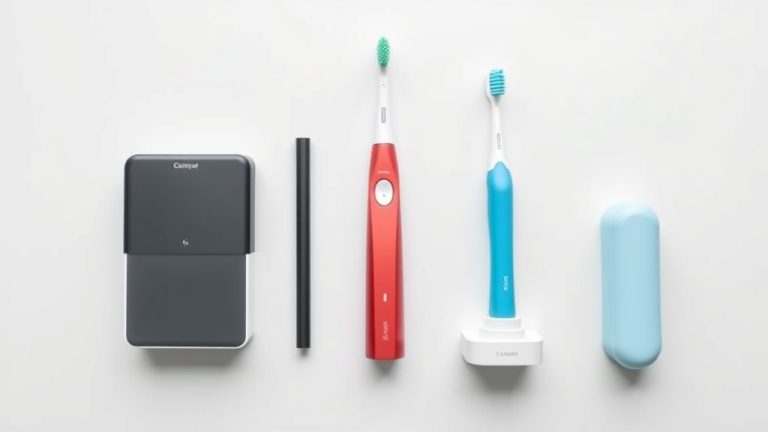
Another factor is the charging system itself. Some toothbrushes use a simple inductive charging base, while others might have more sophisticated charging docks. The wattage and design of the charger play a role in how quickly power is delivered to the toothbrush’s battery. We found that higher-end models often feature faster charging as a premium feature.
How to Know When Your Toothbrush is Fully Charged
This is where your user manual becomes your best friend. Most electric toothbrushes will give you some kind of indicator that they are fully charged. This could be a Understanding your toothbrush’s charging indicator light is crucial, and this guide explains what they mean.light that changes color, a blinking pattern that stops, or a specific icon on a small display screen (if your model has one).
For example, many Philips Sonicare models have a green light that illuminates when charging is complete. Oral-B toothbrushes often have a battery indicator light that turns solid or changes from red to green. Always take a moment to consult your manual. It’s the most reliable source for understanding your specific toothbrush’s signals. We recommend keeping it in a safe place, or even snapping a quick photo of the charging instructions with your phone!
Understanding Charging Indicators
Different brands use different visual cues. Some common ones include:
- A solid green light: Usually means fully charged.
- A light that turns off: Sometimes indicates a full charge after a period of blinking or solid light.
- A battery icon filling up: On models with a display, this shows progress.
- A specific beep or series of beeps: Less common, but some models might signal completion audibly.
If you’re unsure, just leave it on the charger for the full recommended time. It’s rare for modern electric toothbrushes to overcharge if left on the base overnight. The charging circuits are designed to stop delivering power once the battery is full.
Best Practices for Charging and Battery Health
To get the most out of your electric toothbrush and its battery, follow a few simple guidelines. Think of it as giving your toothbrush the best chance to perform at its peak for years to come. Keeping the battery healthy means fewer replacements and consistent power for your brushing routine.
Initial Charge vs. Regular Charging
When you first get your toothbrush, many manufacturers recommend an initial charging period that might be longer than subsequent charges. This “conditioning” charge helps establish the battery’s full capacity. Check your manual to see if this applies to your model. After that initial charge, you can generally follow the regular charging pattern.
For most users, a good routine is to simply place the toothbrush back on its charging base after each use or every few days. This keeps it topped up and ready to go. You don’t need to wait for the battery to drain completely before recharging, especially with lithium-ion batteries. Doing so can actually be less beneficial for battery longevity.
Avoiding Complete Drains
While it’s usually not a problem to leave your toothbrush on the charger, intentionally letting the battery drain completely to zero frequently isn’t ideal. For older battery types, like NiMH, this was sometimes recommended to prevent a “memory effect.” However, modern lithium-ion batteries don’t really suffer from this. In fact, consistently letting them drain fully can put more stress on the battery.
We found that a good habit is to charge your toothbrush whenever the battery indicator shows it’s getting low or when you notice a decrease in power. For many people, this means placing it on the charger once or twice a week. It’s a low-effort way to ensure consistent performance.
Factors Affecting Charging Time
We’ve touched on this, but let’s look a bit deeper. Several things can influence how long it takes to get that full charge.
Model and Brand Differences
As mentioned, different brands and even different models within the same brand can have varying charging times. For instance, a basic model might take 16 hours, while a premium model might be fully charged in 4. We looked at several popular brands and found that newer, more advanced models often prioritize faster charging technology.
Battery Age and Condition
Like any rechargeable battery, the one in your electric toothbrush will degrade over time. As it ages, it might take slightly longer to reach a full charge, or it might not hold a charge for as long as it did when new. This is a natural part of battery life. If you notice a significant change, it might be time to consider replacing the toothbrush head or, eventually, the entire unit.
When in Doubt, Consult Your Manual!
We can’t stress this enough. Your electric toothbrush’s manual is the ultimate guide. It will tell you exactly how long to charge, what the indicator lights mean, and any specific initial charging instructions. If you’ve lost it, a quick search online for your toothbrush’s model number and “user manual” should bring it right up.
Think of it like a recipe for perfect charging. Following the instructions ensures you get the best results and keep your toothbrush happy and healthy. Most manuals are designed to be easy to understand. They’re there to help you get the most out of your investment.
A Quick Charging Checklist
Here’s a simple rundown to keep your charging routine on track:
- Place your toothbrush on its charging base when not in use.
- Observe the charging indicator light or display.
- Refer to your manual for specific light meanings.
- Don’t stress about overcharging a modern toothbrush.
- Charge when the battery indicator shows low power.
- Consider an initial longer charge if recommended by the manual.
Conclusion
Understanding your electric toothbrush’s charging needs is key to consistent oral hygiene. While most models traditionally take 12-16 hours for a full charge, newer technology offers much faster options, some as quick as 4 hours. The best practice is always to consult your user manual for precise times and indicator signals. By following simple charging routines, like keeping it topped up and avoiding complete drains for older battery types, you help maintain battery health. Your electric toothbrush is an investment in your smile, and a little attention to its charging habits ensures it performs its best for years to come. Always put your toothbrush back on its charger after use so it’s ready when you are!
Frequently Asked Questions
How long should I charge my electric toothbrush for the very first time?
For its initial charge, your electric toothbrush might need a longer period than subsequent charges. Manufacturers often recommend this extended first charge to condition the battery. Check your user manual for the exact duration, as it can vary by brand and model.
Can I leave my electric toothbrush on the charger all the time?
Generally, yes, especially with modern toothbrushes using lithium-ion batteries. Their charging systems are designed to prevent overcharging. Leaving it on the base ensures it’s always powered up and ready for your next brush.
What happens if I don’t fully charge my electric toothbrush?
If you don’t fully charge your toothbrush, it will simply have less power available for brushing. This might mean it runs out of battery sooner or has a slightly weaker performance. For optimal battery health, aim for a full charge whenever possible, though occasional partial charges are usually fine.
My toothbrush seems to charge faster now. Is that normal?
Yes, that’s often normal! As batteries age, their ability to hold a charge can change. If your toothbrush is older, it might be that the battery is no longer performing at its peak. Or, if it’s a newer model, it likely has faster charging technology built-in.
Do different brands of electric toothbrushes have different charging times?
Absolutely. We’ve found that charging times can differ significantly between brands and even between different models within the same brand. Factors like battery type and charging technology play a big role. Always refer to your specific toothbrush’s manual for accurate information.