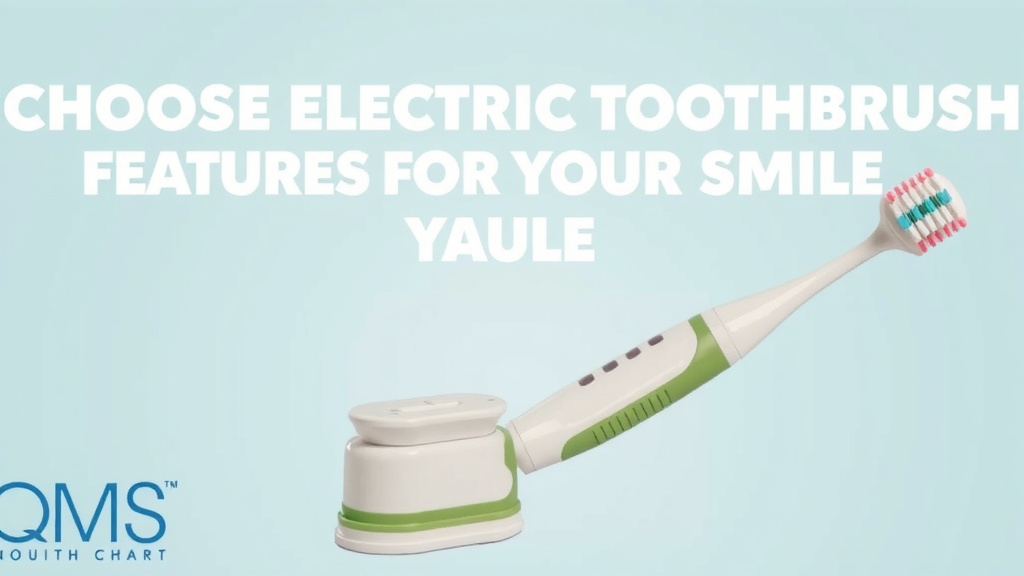
Choose Electric Toothbrush Features for Your Smile
Choosing the right electric toothbrush features is all about matching them to your unique oral health needs and brushing style. You’ll want to look for things like multiple cleaning modes and pressure sensors for a customized and safe clean. Don’t just grab the flashiest model; focus on what will truly benefit your smile.
Many people find that certain features make a big difference in their daily routine. Think about a built-in timer to ensure you brush for the recommended two minutes. We’ve found that brushes with app connectivity can also be surprisingly helpful for tracking habits. It’s not just about cleaning; it’s about building better habits for long-term oral health.
- Consider cleaning modes for different needs (sensitive, whitening).
- Look for a pressure sensor to protect your gums. Look for a pressure sensor to protect your gums.
- Timers help you brush for the dentist-recommended two minutes.
- App connectivity can track your brushing habits.
- Think about battery life for convenience.
Ready to find the perfect electric toothbrush for you? Let’s walk through the key features you should consider to make the best choice for your smile.
Picking the Right Electric Toothbrush Features for Your Smile
Selecting an electric toothbrush means finding tools that fit your life. You want a brush that makes cleaning easy and effective. Think about what you need for a healthier mouth. We found that focusing on a few key features makes a big difference.
Understanding Brush Head Technology
Most electric toothbrushes use rotating or vibrating brush heads. These are designed to clean teeth better than manual brushing. You’ll see two main types, and each has its fans.
Rotating (Oscillating-Rotating) Brush Heads
These heads spin back and forth. They often have a smaller, round brush head. Many find this type great for targeting individual teeth. We found that this design can offer a very thorough clean.
Sonic Toothbrushes
Sonic toothbrushes vibrate at a very high speed. This creates a buzzing sensation. The vibrations help create dynamic cleaning action. They can clean more area at once. Many dentists recommend sonic brushes for their gentle yet effective cleaning (American Dental Association).
What Cleaning Modes Do You Really Need?
Electric toothbrushes come with different cleaning modes. These modes change the speed or pattern of the brush head. You might wonder if you need all of them. Here’s what they mean for your brushing.
Standard Cleaning Mode
This is your everyday brushing mode. It’s designed for effective plaque removal. Most people will use this mode most of the time. We found this mode is usually powerful enough for daily use.
Sensitive Mode
If your gums are easily irritated, this is for you. The sensitive mode uses a gentler speed. This reduces pressure on your teeth and gums. It’s a good option if you experience discomfort with regular brushing. Research shows that gentler brushing can be just as effective for many people (National Institutes of Health).
Whitening Mode
This mode often varies speed or intensity. It aims to polish teeth surfaces. It can help remove surface stains over time. It’s important to remember this isn’t a bleaching treatment. It works more like a deep polish. Many users report seeing brighter smiles with consistent use.
Gum Care or Massage Mode
This mode provides a gentle massage for your gums. It can help stimulate blood flow. Good gum health is vital for overall oral health. Many dental professionals suggest this for maintaining healthy gums.
Key Safety and Guidance Features
Some features act like a coach for your brushing. They help you brush correctly and avoid damage. These are often overlooked but can make a big impact.
Pressure Sensor: Your Gum’s Best Friend
Brushing too hard can damage your enamel and gums. A pressure sensor alerts you when you’re applying too much force. It might light up, vibrate differently, or even stop vibrating. We found this feature is incredibly helpful for people who tend to scrub too hard. It helps protect your mouth from harm. A pressure sensor alerts you when you’re applying too much force to protect your gums.
Built-in Timer: The Two-Minute Rule
Dentists recommend brushing for two minutes. Many electric toothbrushes have a timer. It often signals every 30 seconds to move to a different quadrant of your mouth. This ensures you brush each area adequately. It’s a simple feature that greatly improves brushing habits. Many people are surprised how much longer they brush when they use a timer.
Convenience and Smart Features
Beyond cleaning, electric toothbrushes offer features for ease of use and tracking progress.
Battery Life and Charging
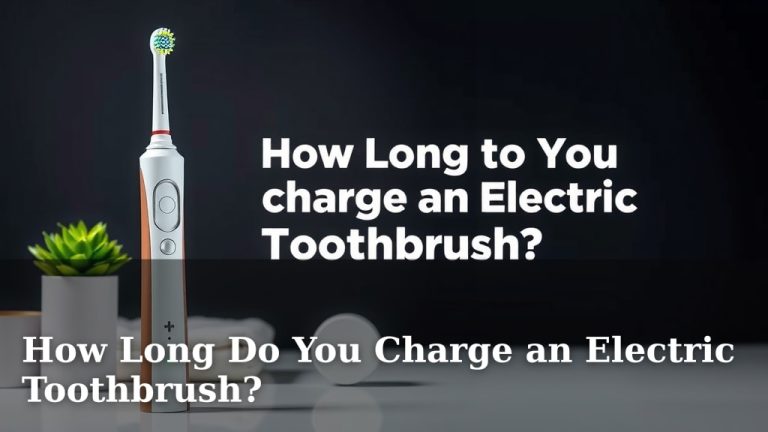
Consider how long the battery lasts on a single charge. Some brushes last a week, while others go for months. Charging methods also vary, from simple stands to UV sanitizing chargers. If you travel often, a long battery life is a huge plus. We found that a battery that lasts at least two weeks is ideal for most users.
App Connectivity and Tracking
Many newer models connect to a smartphone app via Bluetooth. These apps can track your brushing duration, coverage, and pressure. Some even offer personalized coaching. This can be motivating for those looking to improve their routine. While not essential for everyone, it’s a great tool for data-driven oral care.
Making Your Choice: A Quick Checklist
To help you decide, consider these points:
- Do you need multiple cleaning modes?
- Is a pressure sensor important for your gums?
- Would a two-minute timer help your brushing habits?
- Is app connectivity something you’d use?
- How important is long battery life for you?
- Do you prefer sonic or rotating brush heads?
Conclusion
You’ve learned a lot about picking the right electric toothbrush features. Remember, the best brush for you depends on your personal oral health needs. Think about the brush head type, cleaning modes, and helpful extras like timers and pressure sensors. We’ve found that focusing on what makes your brushing routine effective and comfortable is key. Your next step is to review your priorities and find a model that checks your most important boxes for a healthier smile.
Frequently Asked Questions
Are sonic or oscillating-rotating toothbrush heads better?
Both sonic and oscillating-rotating brush heads can offer a superior clean compared to manual brushing. Research and user feedback suggest that sonic brushes are excellent for cleaning larger areas and are often gentler. Oscillating-rotating heads are great for targeting individual teeth.
How do I know if I need a pressure sensor?
You likely need a pressure sensor if you tend to brush too hard or have been told by your dentist that you apply too much pressure. This feature helps protect your enamel and gums from damage by alerting you when you’re scrubbing too aggressively.
Is a two-minute timer really necessary?
Yes, dentists worldwide recommend brushing for a full two minutes to effectively clean all surfaces of your teeth. A built-in timer, especially one that cues you every 30 seconds to switch quadrants, ensures you’re dedicating enough time to each area for optimal plaque removal.
Should I get an electric toothbrush with app connectivity?
App connectivity can be very helpful if you want to track your brushing habits, duration, and coverage. Some apps even provide personalized feedback or coaching. While not essential for everyone, it’s a motivating tool for those aiming to improve their technique and consistency.
What’s the most important feature for sensitive gums?
For sensitive gums, the most important features are a pressure sensor and a sensitive cleaning mode. The pressure sensor prevents you from brushing too hard, while the sensitive mode uses a gentler speed and pattern to reduce irritation and discomfort.