How to Clean Your Oral-B Electric Toothbrush Head
The easiest way to clean your Oral-B electric toothbrush head is by rinsing it thoroughly under warm running water after each use. You can also gently brush away any toothpaste residue with your fingers or a soft brush. This simple process helps prevent buildup and keeps your brush head hygienic for a longer time.
Keeping your Oral-B clean is more than just good hygiene; it’s about ensuring your toothbrush performs at its best. Regular cleaning helps maintain its effectiveness, ensuring you get a thorough clean every time you brush. Many dentists recommend this simple upkeep to maximize your oral care routine and extend the life of your brush heads.
- Rinse your brush head with warm water after every use.
- Gently remove any leftover toothpaste.
- Avoid using harsh chemicals or soaking the head.
- Replace your brush head every 3 months or sooner if bristles fray.
Ready to give your Oral-B a spa day? Let’s walk through exactly how to give your electric toothbrush head a proper clean, step by step.
Keeping Your Oral-B Brush Head Sparkling Clean
So, you’ve got your trusty Oral-B electric toothbrush, and you want to keep it in tip-top shape. That’s smart! A clean brush head isn’t just about looks; it’s essential for your oral hygiene and the brush’s performance. We’re here to guide you through the simple steps to ensure your Oral-B brush head stays hygienic and effective. Think of it as giving your toothbrush a mini spa treatment after every use. This will help prevent that unsightly buildup and keep your smile game strong.
The Daily Rinse: Your First Line of Defense
The most important step in cleaning your Oral-B brush head happens right after you brush your teeth. It’s quick, easy, and makes a huge difference. Don’t just put it back in the charger without a second thought!
Post-Brushing Rinse Technique
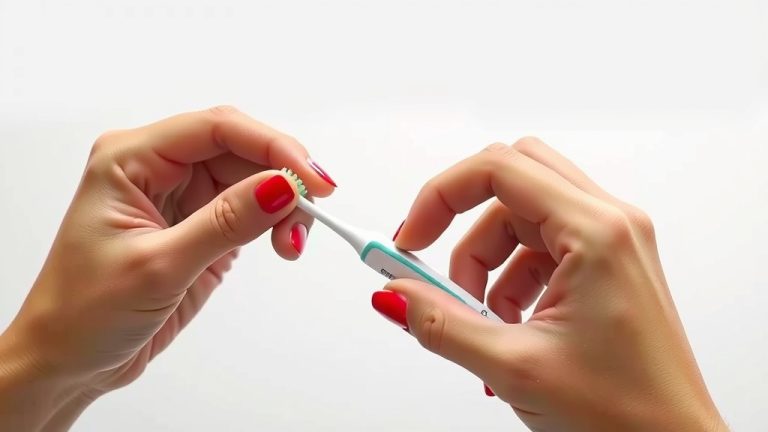
After you’ve finished brushing, simply detach the brush head from the handle. Then, rinse it thoroughly under warm running water. Make sure to get water all around the bristles and the base where they connect. This helps wash away toothpaste residue and any food particles that might be clinging on.
Gentle Residue Removal
Sometimes, a little toothpaste can get a bit stubborn. If you see any dried-on gunk, don’t panic. You can gently use your finger or a soft, damp cloth to wipe it away. Some people even use a damp cotton swab. The key here is gentle; you don’t want to damage the bristles.
Deep Cleaning Your Oral-B Head (When Needed)
While daily rinsing is crucial, every so often, you might want to give your brush head a more thorough clean. This is especially true if you notice any discoloration or a less-than-fresh scent. We found that these deeper cleans are usually only necessary once a week or so, unless you’ve been ill.
The Warm Water Soak Method
For a more significant clean, you can soak your brush head. Fill a small bowl or cup with warm water. You can even add a tiny drop of mild liquid soap. Submerge the brush head for about 5-10 minutes. This helps to loosen any hardened toothpaste or debris that rinsing alone might miss. After soaking, rinse it again thoroughly under warm running water. Make sure all soap residue is gone.
Using Baking Soda for Extra Power
Baking soda is a natural cleaner that many find effective. You can create a paste by mixing a small amount of baking soda with water. Gently apply this paste to the brush head, focusing on any stained or sticky areas. Let it sit for a few minutes, then rinse it off completely with warm water. Remember, this isn’t an everyday thing; it’s for those times when you need a little extra help.
What NOT to Do for Deep Cleaning
It’s important to avoid certain cleaning methods. Never use harsh chemicals like bleach or strong disinfectants. These can damage the brush head materials and potentially leave harmful residues. Also, avoid soaking the entire toothbrush handle; water damage is a real concern there. Stick to warm water and mild solutions.
Troubleshooting Common Brush Head Issues
Even with regular cleaning, you might run into a few snags. Let’s look at how to deal with them.
Dealing with Mildew or Mold
Discovering a bit of mildew on your brush head can be alarming. This usually happens when the brush head is stored in a damp environment without proper airflow. If you spot any, immediately remove the affected head. Soak it in a solution of equal parts white vinegar and water for about 30 minutes. Rinse it extremely well under warm water afterward. To prevent this, always store your brush head upright, allowing it to air dry completely between uses. Many dentists recommend a well-ventilated toothbrush holder (Mayo Clinic).
Tackling Stubborn Stains
Sometimes, toothpaste or mouthwash can leave tough stains. For light stains, the baking soda paste method mentioned earlier often does the trick. For more persistent stains, you might need to be a bit more patient. A slightly longer soak in warm, soapy water, followed by gentle scrubbing with a soft brush, can help. If stains are deeply ingrained, it might be a sign it’s time for a replacement anyway.
When It’s Time for a Fresh Brush Head
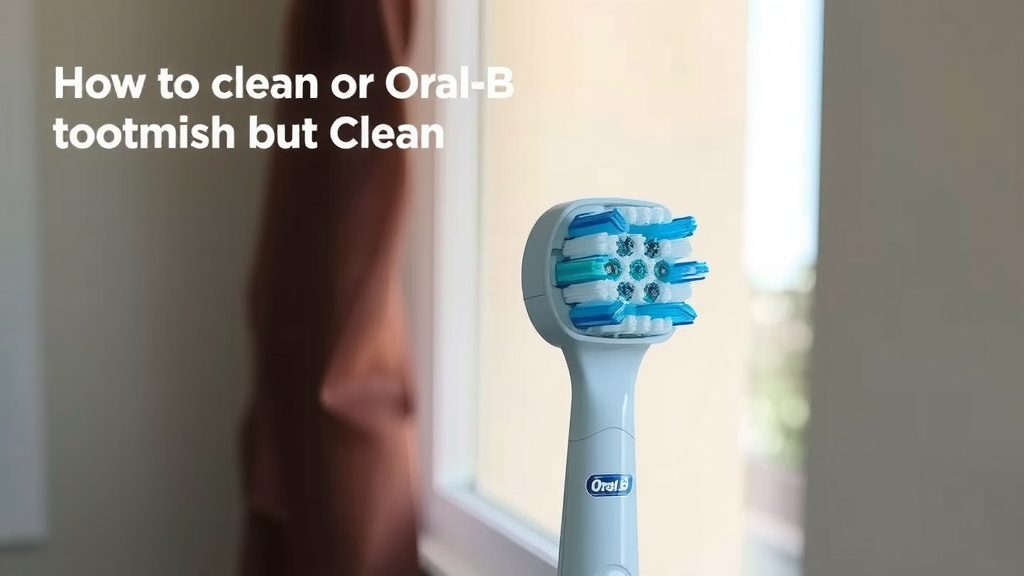
No amount of cleaning can fix worn-out bristles. Your Oral-B brush head has a lifespan, and knowing when to replace it is part of good oral care.
The 3-Month Rule and Beyond
Oral-B, like many dental professionals, recommends replacing your brush head every three months. However, this is a guideline. You should inspect your brush head regularly. If you notice that the bristles are frayed, splayed, or starting to look worn down, it’s time for a new one, even if it’s not been three months yet. Worn bristles don’t clean effectively and can even be less gentle on your gums.
Signs That Indicate Replacement is Needed
Beyond just looking worn, other signs suggest it’s time for a change. If the colored indicator bristles have faded significantly, it’s a visual cue that the brush head has seen its best days. If the brush head feels looser on the handle than usual, or if you notice any cracks or damage, replace it immediately. A damaged brush head can harm your gums and won’t provide an adequate clean.
Maintaining the Toothbrush Handle
While we’re focusing on the head, don’t forget the handle! A quick wipe-down with a damp cloth after rinsing the head is usually sufficient. Make sure the charging base is also kept clean and dry. This prevents the buildup of grime on the parts you touch most.
A Quick Checklist for a Clean Oral-B
Here’s a handy checklist to keep your Oral-B in top shape:
- Rinse the brush head under warm water after every brush.
- Gently remove any leftover toothpaste residue.
- Allow the brush head to air dry completely.
- Perform a deeper clean (baking soda paste or soak) weekly if needed.
- Inspect bristles regularly for fraying or wear.
- Replace the brush head every 3 months or sooner if worn.
Conclusion
You’ve learned how simple it is to keep your Oral-B electric toothbrush head clean and effective. Regular rinsing after each use is your best defense against buildup. For tougher spots, a gentle soak or baking soda paste can work wonders. Remember to watch for worn bristles and replace your brush head every three months, or sooner if needed, to maintain optimal oral hygiene. By following these easy steps, you ensure your Oral-B continues to deliver a superior clean for a healthier smile. Now, go give your brush head that well-deserved refresh! Remember to replace your brush head every three months, or sooner if needed, to maintain optimal oral hygiene.
Frequently Asked Questions
How often should I deep clean my Oral-B brush head?
A deep clean is typically only needed once a week, or perhaps more often if you’ve been unwell. Over-cleaning can potentially wear down the bristles faster than necessary. Stick to the daily rinse as your primary cleaning method.
Can I use mouthwash to clean my Oral-B brush head?
It’s best to avoid using mouthwash for cleaning your Oral-B brush head. Many mouthwashes contain alcohol or other chemicals that could potentially damage the brush head materials. Stick to warm water and mild cleaning agents.
Is it okay to let my Oral-B brush head air dry on the counter?
Yes, allowing your Oral-B brush head to air dry is recommended. After rinsing, store it upright in a well-ventilated area to ensure it dries completely between uses. This helps prevent mildew and keeps it hygienic.
What’s the best way to store my Oral-B brush head to prevent issues?
For storage, always keep your Oral-B brush head upright. This allows water to drain away and promotes air circulation, helping it dry thoroughly. Avoid storing it in enclosed containers or humid places, which can encourage bacterial growth or mildew.
My Oral-B brush head smells a bit off, what can I do?
A slight odor usually means it’s time for a more thorough clean or a replacement. Try the warm water soak with a drop of mild soap, or the baking soda paste method. If the smell persists after cleaning, it’s definitely time to switch to a fresh brush head for optimal freshness and hygiene.