Master Your Electric Toothbrush Technique: A Simple Guide
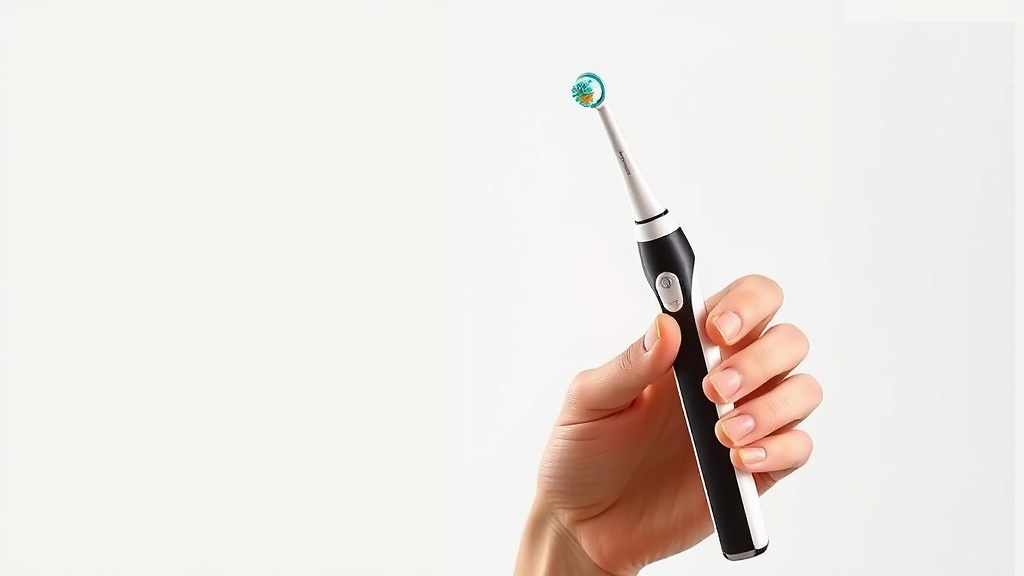
Holding an electric toothbrush correctly is simple: grip it lightly, like you would a pen, and let the vibrations do the work. Don’t scrub back and forth; instead, angle the brush head at a 45-degree angle towards your gum line and move it slowly from tooth to tooth. This ensures you clean all surfaces effectively and gently.
Many people wonder if they’re using their electric toothbrush right. Research shows that most people tend to grip too tightly or scrub too hard. This can lead to gum irritation and doesn’t actually improve cleaning. A light touch is key to unlocking the full benefits of your electric toothbrush and achieving a cleaner smile.
- Hold your electric toothbrush like a pen for best control.
- Angle the bristles at 45 degrees toward your gums.
- Let the brush vibrate; no scrubbing needed.
- Move slowly from tooth to tooth for thorough cleaning.
- A gentle grip protects your gums.
Ready to perfect your technique? Let’s walk through exactly how to hold and use your electric toothbrush for a superior clean every time.
Mastering Your Electric Toothbrush Grip
Learning how to hold your electric toothbrush properly is key. It helps you get the best clean possible. Many people grip their toothbrush too tightly. This can actually damage your gums. It also doesn’t make your teeth cleaner. We want you to have a smile you’re proud of. So let’s get this right together.
The Gentle Hold: Like a Pen, Not a Hammer
Think about how you hold a pen. You use a relaxed, controlled grip. You don’t squeeze it with all your might. Your electric toothbrush needs that same kind of gentle touch. Studies often find users apply too much pressure. This is because they’re used to manual toothbrushes. They feel the need to “scrub.” But electric brushes don’t need scrubbing. Their vibrations do the hard work for you.
A light grip ensures you’re not pushing down too hard. This protects your delicate gum tissue. It also allows the brush head to move freely. This means it can reach all the nooks and crannies. Your dentist will thank you! And your gums will feel much happier.
Why the Right Grip Matters So Much
The bristles on your electric toothbrush are designed to clean effectively with minimal pressure. When you hold it too tightly, you might miss spots. You could also be irritating your gums. This can lead to sensitivity or even recession over time. Research from dental associations consistently shows that gentle brushing is more effective for gum health. Holding it like a pen naturally encourages this lighter touch.
Imagine trying to write a detailed note with a clenched fist. It would be messy and difficult, right? Brushing your teeth is similar. A relaxed, controlled hold allows for precision. It lets the technology of the toothbrush do its job. You just guide it gently.
Positioning Your Electric Toothbrush for Maximum Clean
Once you have the right grip, positioning is the next big step. Where you place the brush head makes a huge difference. This ensures you’re cleaning all surfaces of your teeth.
The 45-Degree Angle: Your Gum Line’s Best Friend
Dental professionals widely recommend angling your toothbrush. The ideal angle is about 45 degrees towards your gum line. Why? Because that’s where plaque likes to hide. It builds up right where your teeth meet your gums. This angle allows the bristles to get into that critical area. It helps sweep away plaque effectively.
Many people just place the brush flat against their teeth. This misses a significant amount of debris. It’s like trying to clean a dusty shelf by only wiping the middle. You need to get into the edges! So, remember that 45-degree tilt. It’s a small adjustment with a big impact on your oral health. The American Dental Association (ADA) supports this technique for optimal plaque removal.
Let the Vibrations Do the Work
This is perhaps the most important difference between manual and electric brushing. With a manual brush, you move it back and forth. You create the cleaning action. Electric toothbrushes, however, vibrate or oscillate. They have built-in cleaning power. Your job is simply to guide the brush.
Resist the urge to scrub. It’s a natural instinct for many people. You might feel like you’re not cleaning properly if you’re not scrubbing. But that’s not true. Scrubbing can be too abrasive. It can wear down tooth enamel. It can also injure your gums. Let the tiny, rapid movements of the brush head do the cleaning. You just need to hold it in place for a few seconds on each tooth surface.
Moving Systematically: Tooth by Tooth
To ensure you don’t miss any spots, move slowly. Work your way across your mouth methodically. Start on one side. Clean the outer surfaces of your teeth. Then, clean the inner surfaces. Finally, tackle the chewing surfaces. Most electric toothbrushes have timers. These often signal when to move to a different section of your mouth. Use these prompts!
For each tooth, spend a few seconds on each of the three surfaces: outer, inner, and chewing. It might feel slow at first. But this thoroughness ensures no area is neglected. Think of it like painting a fence. You wouldn’t just slap paint on randomly. You’d work in sections to ensure complete coverage.
Common Pitfalls to Avoid
Even with the best intentions, some habits can get in the way. Being aware of these common mistakes can help you improve your technique.
The Dangers of Excessive Pressure
We’ve mentioned this, but it bears repeating. Too much pressure is a common error. Many electric toothbrushes have pressure sensors. They will light up or change vibration if you press too hard. Pay attention to these alerts! They are designed to protect your teeth and gums. Over time, excessive pressure can lead to enamel abrasion and gum recession. This is a finding supported by numerous dental studies (Cleveland Clinic).
Ignoring the Back Surfaces
It’s easy to focus on the front of your teeth. They’re what you see in the mirror. But the inner surfaces are just as prone to plaque buildup. Make sure you’re angling the brush to reach these areas. Pay special attention to the back of your front teeth. This is a prime spot for tartar to form.
Not Replacing Your Brush Head
Your brush head doesn’t last forever. The bristles fray and become less effective over time. Most manufacturers recommend replacing your brush head every three to four months. Some even have indicator bristles that fade. This is a simple maintenance step that ensures your toothbrush continues to work optimally. A worn-out brush head can’t clean as well, no matter how you hold it.
Quick Checklist for Perfect Electric Toothbrush Technique
- Grip your toothbrush lightly, like a pen.
- Angle the bristles at 45 degrees towards your gums.
- Let the vibrations do the cleaning; no scrubbing needed.
- Move slowly from tooth to tooth, covering all surfaces.
- Pay attention to pressure sensors to avoid brushing too hard.
- Replace your brush head every 3-4 months.
Conclusion
You’ve learned how to get the most from your electric toothbrush. Remember the key: a light, pen-like grip. This simple adjustment protects your gums and lets the brush do its work. Angle the bristles at 45 degrees towards your gum line. Let the vibrations clean each tooth without scrubbing. Moving slowly and systematically ensures a thorough clean. By avoiding common pitfalls like too much pressure, you’re set for a healthier smile. Start practicing this gentle technique today for brighter results.
Frequently Asked Questions
How long should I brush my teeth with an electric toothbrush?
Most electric toothbrushes have built-in timers, often set for two minutes. It’s recommended to brush for the full two minutes. Divide your mouth into quadrants and spend about 30 seconds on each section. This ensures you clean all tooth surfaces thoroughly.
Can I use an electric toothbrush on my gums?
Yes, but very gently. The bristles should be angled towards your gum line. The electric toothbrush’s vibrations will clean the area. Avoid pressing too hard, as this can irritate or damage your gums over time.
What happens if I scrub with an electric toothbrush?
Scrubbing with an electric toothbrush can be too abrasive. It might damage your tooth enamel and irritate your gums. You could also miss areas of plaque buildup. Let the brush’s vibrations do the cleaning work instead.
Are electric toothbrushes better than manual ones?
Research often shows electric toothbrushes can be more effective at removing plaque. They can also be easier for some people to use correctly. The built-in timers and oscillating heads help ensure a more consistent clean.
How often should I replace my electric toothbrush head?
It’s generally recommended to replace your electric toothbrush head every three to four months. Over time, bristles can fray and become less effective at cleaning. Some brush heads also have indicator bristles that fade to signal it’s time for a change.