Sonic Electric Toothbrush Explained: Your Guide
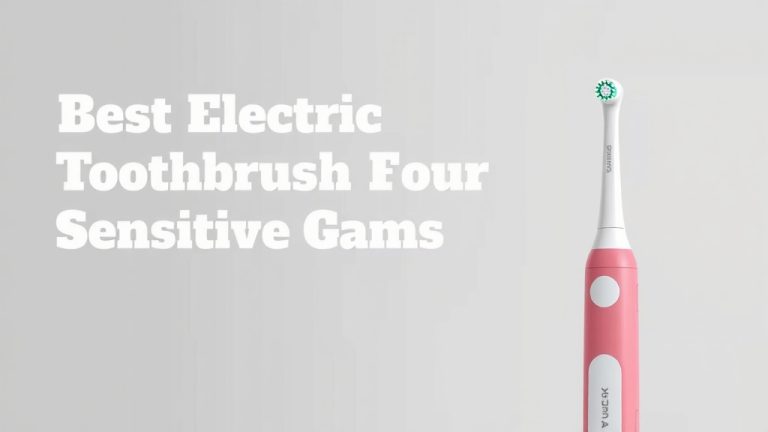
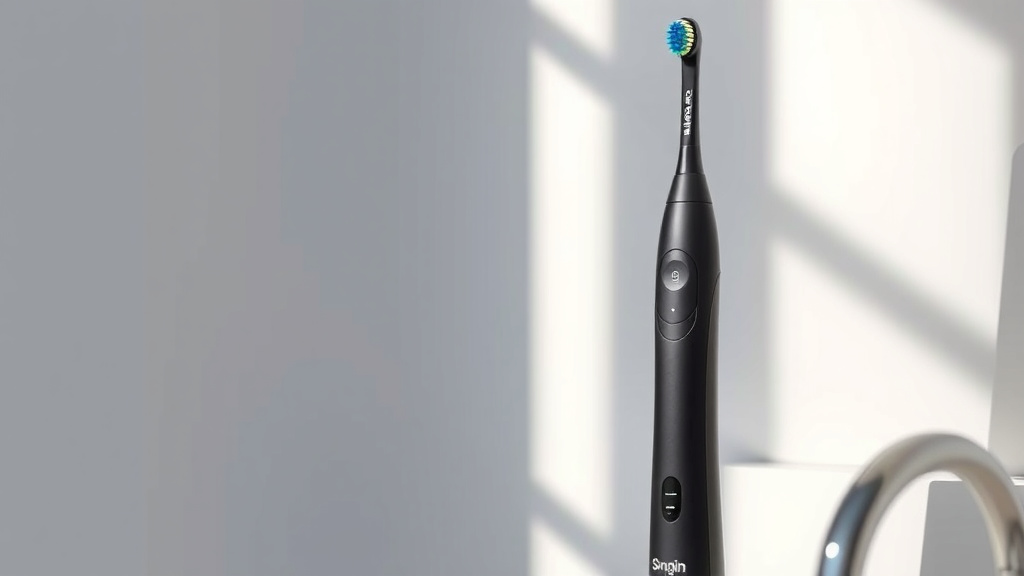
A sonic electric toothbrush is a type of electric toothbrush that uses high-speed vibrations to clean your teeth. These vibrations create dynamic cleaning actions. They help sweep away plaque and food particles from your teeth and along your gumline. Think of it as a tiny, super-fast cleaning party happening right in your mouth!
Unlike older oscillating models, sonic toothbrushes move side-to-side at very high frequencies. This movement is what generates the “sonic” power. Many dentists agree these toothbrushes offer a superior clean. They can reach areas manual brushes might miss.
- Sonic toothbrushes vibrate fast to clean teeth.
- They use side-to-side motions to remove plaque.
- Many dentists recommend them for a better clean.
- They reach tricky spots better than manual brushes.
Ready to learn more about how these amazing tools work and if one might be right for your smile? Let’s dive in!
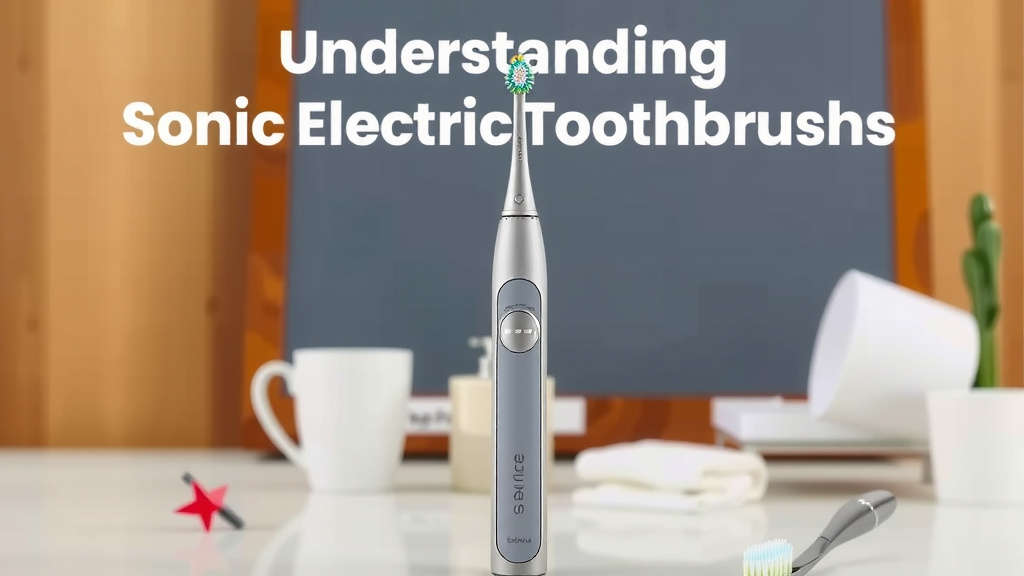
Understanding Sonic Electric Toothbrushes
So, you’re curious about sonic electric toothbrushes. That’s great! These gadgets have really changed the way many people approach their oral hygiene. Think of them as the high-performance sports cars of the toothbrush world. They use rapid movements to give your teeth a super thorough clean. We’ll break down exactly what makes them tick and why they might be a fantastic addition to your daily routine.
How Do They Actually Work?
The magic behind a sonic toothbrush lies in its motor. This motor drives the brush head to move side-to-side at incredibly high speeds. We’re talking thousands of brush strokes per minute. Some models can reach up to 62,000 brush movements in a single minute! This rapid motion creates a “sonic” effect. It’s this speed that sets them apart from manual brushes and even older electric models.
The Dynamic Cleaning Action
It’s not just about scrubbing. The high-frequency vibrations create what experts call a “dynamic cleaning action.” This means the brush head doesn’t just clean the surfaces it touches directly. The vibrations also agitate the fluids in your mouth, like saliva and toothpaste. This agitation helps to break up plaque and food particles even in hard-to-reach areas. It’s like a gentle, yet powerful, wave of cleanliness reaching around your teeth and just under the gumline.
Bristle Speed vs. Oscillation
You might have seen older electric toothbrushes that oscillate. They often have round brush heads that spin and move back and forth. Sonic toothbrushes, on the other hand, use a more sweeping, side-to-side motion. Their bristles move much faster. This speed is key to their effectiveness. Research has shown that this vigorous movement is excellent at removing plaque.
Benefits You Can Feel (and See!)
Why switch to a sonic toothbrush? Well, the results speak for themselves for many users. Dentists often recommend them for good reason. They offer a level of clean that’s hard to achieve with a manual brush alone. Your mouth can feel noticeably smoother and fresher after each use. Over time, this can lead to healthier gums and brighter teeth.
Superior Plaque Removal
One of the biggest advantages is their ability to remove plaque. Studies have consistently found that sonic toothbrushes are very effective at reducing plaque buildup. This is important because plaque is a sticky film of bacteria that can lead to cavities and gum disease (National Institute of Dental and Craniofacial Research). The dynamic cleaning action really helps dislodge plaque from all surfaces of your teeth.
Gentle on Gums?
You might wonder if all that speed is too harsh for your gums. The good news is that when used correctly, sonic toothbrushes can actually be quite gentle. The high-speed vibrations mean you don’t need to scrub hard. In fact, you should use a very light touch. This reduced scrubbing pressure can be beneficial for people with sensitive gums. Many dentists suggest that the gentle, sweeping motion is often better for gum health than aggressive manual brushing.
Reaching Those Tricky Spots
We all have those spots in our mouths that are just awkward to reach with a regular toothbrush. Think about the back molars or the insides of your front teeth. The smaller brush heads and the dynamic cleaning action of sonic toothbrushes help them get into these nooks and crannies more effectively. This means fewer missed spots and a more thorough overall clean.
What to Expect When You Use One
Switching to a sonic toothbrush can be a bit of an adjustment, but it’s usually a smooth one. You’ll likely notice a different sensation at first. The buzzing and vibration might feel unusual. But most people get used to it very quickly. It’s a small price to pay for that super clean feeling!
The “Water-Pulsing” Effect
We mentioned the dynamic cleaning action earlier. Another way to think about it is like a gentle pulsing effect. The rapid bristles push fluid between your teeth and along the gumline. This fluid movement helps to clean areas the bristles can’t physically reach. It’s like an extra layer of cleaning power that works on its own. This is a key reason why dentists often favor these brushes.
Built-in Timers and Modes
Many sonic toothbrushes come with helpful features. A common one is a built-in timer. This timer usually alerts you every 30 seconds to move to a different quadrant of your mouth. It also signals when your two-minute brushing time is up. This ensures you’re brushing for the dentist-recommended duration. Some models also offer different cleaning modes, like “sensitive” or “whitening,” for a personalized experience.
Are Sonic Toothbrushes Right for You?
Deciding if a sonic toothbrush is the best choice for your smile is a personal one. However, if you’re looking for an effective way to improve plaque removal, achieve a noticeably cleaner mouth, and potentially improve gum health, a sonic toothbrush is definitely worth considering. They offer a sophisticated approach to daily brushing. Many people who make the switch report being very happy with their results. They often feel like they’ve just had a professional cleaning.
Key Takeaways for Your Next Brush:
- Focus on a light touch; let the brush do the work.
- Angle the bristles gently towards your gumline.
- Spend time in each section of your mouth.
- Don’t forget the insides and chewing surfaces.
- Allow the brush head to move from tooth to tooth.
- Let the timer guide your full two minutes.
Think of your sonic toothbrush as a partner in your oral health journey. With its advanced technology, it can help you achieve a healthier, brighter smile with less effort. Many dental professionals agree that the superior cleaning power makes it a fantastic investment in your long-term oral wellness.
Conclusion
You’ve learned that a sonic electric toothbrush uses high-speed vibrations to deliver a dynamic clean. It sweeps away plaque and reaches tricky spots better than manual brushes. Many dentists recommend them for superior plaque removal and improved gum health. Remember to use a light touch and let the brush do the work. Consider this advanced tool as your partner for a healthier, brighter smile. Your next step is to explore models that fit your needs and budget. Investing in a sonic toothbrush is an investment in your long-term oral wellness.
Frequently Asked Questions
How often should I replace my sonic toothbrush head?
You should aim to replace your sonic toothbrush head every 3 months. This is a standard recommendation from dental professionals. Over time, bristles fray and become less effective at cleaning. A worn-out brush head can also harbor more bacteria.
Can a sonic toothbrush help with sensitive teeth?
Yes, many people with sensitive teeth find sonic toothbrushes to be gentler. The high-speed vibrations mean you don’t need to press hard. This reduced pressure can minimize discomfort. Some models even have a “sensitive” mode for a milder cleaning experience.
What’s the difference between sonic and oscillating electric toothbrushes?
Sonic toothbrushes use rapid side-to-side vibrations, creating a dynamic cleaning action. Oscillating brushes typically have round heads that spin back and forth. Sonic vibrations are much faster, reaching up to 62,000 movements per minute, which helps agitate fluids for better plaque removal.
Do sonic toothbrushes clean between teeth?
While no toothbrush can completely replace flossing, the dynamic cleaning action of sonic toothbrushes helps. The high-frequency vibrations agitate saliva and toothpaste. This fluid movement can reach between teeth and just below the gumline to help dislodge food particles and plaque.
Is the buzzing sound of a sonic toothbrush normal?
Absolutely! The buzzing or vibrating sensation is exactly how a sonic toothbrush works. It’s the sound of the motor creating thousands of brush strokes per minute. Most people get used to the feeling very quickly after switching from a manual brush.