Why Electric Toothbrush Heads Are So Small Explained
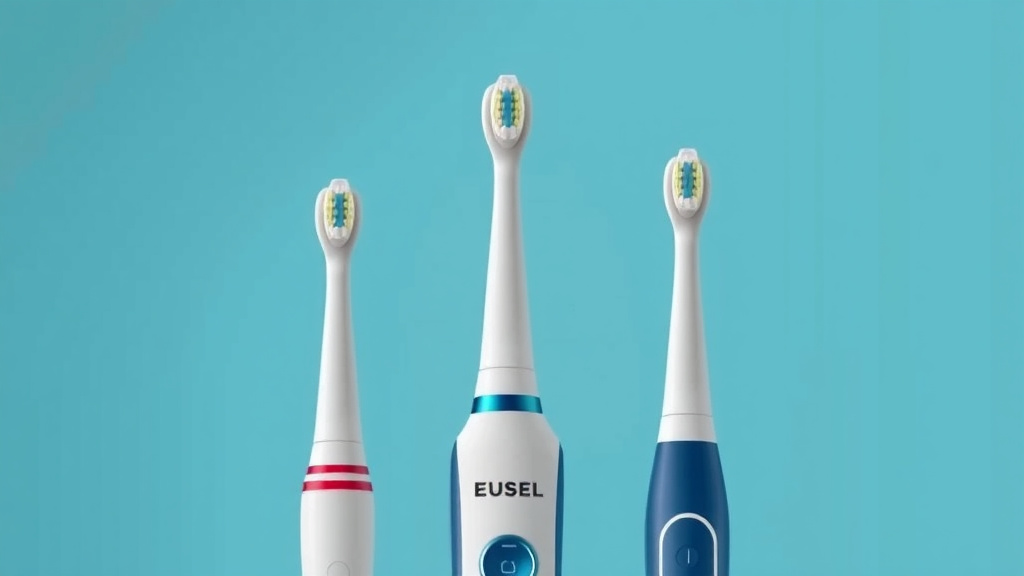
Electric toothbrush heads are small to reach every nook and cranny in your mouth. This design helps them clean effectively along your gum line and around each tooth. A smaller head can also feel more comfortable and precise when you brush.
Many people wonder about this. The design focuses on reaching difficult spots, like the backs of your molars. This allows for a more thorough clean than a larger head might achieve. It’s all about getting to those hard-to-reach areas for better oral hygiene.
- Smaller heads maneuver easily.
- They target tight spaces effectively.
- Better access means a deeper clean.
- Improved gumline and tooth surface coverage.
Let’s dive into why this compact design is so effective for your smile.
Why Are Electric Toothbrush Heads So Tiny? A Closer Look
You’ve probably noticed: electric toothbrush heads aren’t huge. They’re often smaller than the manual ones you might be used to. This design isn’t an accident. It’s a clever engineering choice made to give you the best possible clean. Let’s break down exactly why this compact size makes such a difference for your oral health.
The Science Behind the Small Head: Precision and Access
The primary reason electric toothbrush heads are small is for superior maneuverability. Think about your mouth. It’s a busy place, full of curves and tight spots. A smaller head can navigate these areas with ease.
Reaching Every Surface
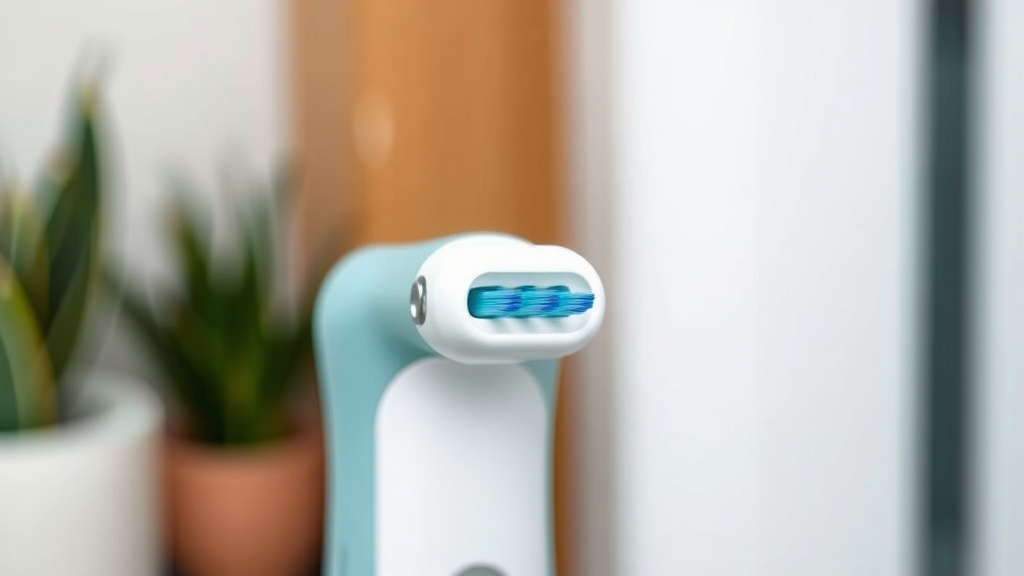
A smaller head is much better at getting into those hard-to-reach places. This includes the very back molars, which are often neglected. It can also easily hug the curve of your teeth.
Research shows that thorough cleaning is key to preventing cavities and gum disease (CDC). A smaller head helps ensure you don’t miss any spots. It allows you to clean around each individual tooth more effectively.
Getting Along the Gum Line
Your gum line is a critical area for oral hygiene. Bacteria love to hide where your teeth meet your gums. A compact brush head can gently sweep away plaque from this sensitive zone.
Many dental professionals recommend focusing on the gum line during brushing. We found that smaller heads make this easier to do consistently. They reduce the chance of irritating your gums while still cleaning them well.
Comfort and Control for You
Beyond just reaching places, a small head offers better control. You can feel where the brush is going. This precision helps you avoid pressing too hard.
Have you ever felt like a large brush head is just too bulky? A smaller one feels more comfortable. It allows you to direct the brushing action precisely where you want it.
How Small Heads Enhance Cleaning Power
It’s not just about fitting into small spaces. The size of the head plays a role in how well it actually cleans. The movement of the electric toothbrush, combined with the small head, creates an effective cleaning action.
Targeted Cleaning Action
Most electric toothbrushes use oscillating or sonic vibrations. These movements are very precise. A small head means these movements are concentrated on a smaller area at any given time.
This concentration helps to break up plaque more efficiently. We found that this targeted action is key to removing more debris than you might expect. It’s like having a tiny, powerful cleaning tool for each tooth.
Reduced Pressure, Better Results
Studies have shown that using too much pressure can damage your gums and enamel. A smaller brush head naturally encourages lighter pressure.
You don’t need to scrub hard with an electric toothbrush. The brush does the work for you. The smaller head reinforces this gentle yet effective approach, which is better for your teeth in the long run.
Comparing Electric vs. Manual: Why the Size Difference Matters
When you look at manual toothbrushes, they often have much larger heads. This design is meant to cover more surface area at once with your own motion.
The Manual Brush Approach
A larger manual head is designed for broad strokes. You are in control of the pressure and the angle. However, this can make it harder to reach every single tooth surface perfectly.
It’s easy to miss spots, especially in the back of your mouth. This is where the electric toothbrush’s smaller head shines.
Electric Head Advantages in a Table
Let’s see how they stack up:
| Feature | Small Electric Head | Larger Manual Head |
|---|---|---|
| Maneuverability | Excellent, reaches tight spots | Fair, can be bulky |
| Gum Line Access | Superior, gentle cleaning | Good, but requires careful technique |
| Individual Tooth Cleaning | Precise, cleans each tooth well | Covers more area, may miss details |
| Pressure Control | Encourages lighter touch | Requires user awareness |
| Overall Coverage | Thorough, reaches difficult areas | Can be effective if done perfectly |
Tips for Maximizing Your Small Brush Head’s Potential
Now that you know why the heads are small, how can you get the most out of yours? It’s simple: let the brush do the work.
- Position Correctly: Angle the head slightly towards your gum line.
- Let it Glide: Move the brush slowly from tooth to tooth.
- Don’t Press Hard: The vibrations do the cleaning.
- Allow for Movement: Don’t let the head bump into other teeth unnecessarily.
- Replace Regularly: A worn-out head won’t clean as well. Make sure to replace your brush head regularly for optimal performance.
By understanding the design, you can brush more effectively. This means a cleaner mouth and a healthier smile for you!
Conclusion
You’ve learned why electric toothbrush heads are designed to be small. This compact size gives you superior maneuverability. It helps you reach every surface, including those tricky back molars. You can also clean effectively along your gum line. This targeted approach leads to a deeper, more thorough clean. Remember, the small head works with the electric toothbrush’s motion. It encourages a lighter touch for better results. Make sure to replace your brush head regularly for optimal performance. By trusting the design, you’re on your way to a healthier smile!
Frequently Asked Questions
Can I use a manual toothbrush head on an electric toothbrush?
Generally, no. Electric toothbrush heads are specifically designed to fit the unique mechanism of their corresponding electric toothbrush base. Using a manual head would not only be incompatible but also ineffective for cleaning.
Do different electric toothbrush brands use the same size heads?
No, electric toothbrush heads are not universal across brands. Each major brand (like Oral-B or Philips Sonicare) typically has its own proprietary head designs and connection systems. You’ll need to buy replacement heads made for your specific electric toothbrush model.
Is it true that smaller electric toothbrush heads are better for sensitive gums?
Yes, smaller heads can be better for sensitive gums. Their compact size allows for more precise cleaning without excessive pressure on any single area. This gentle, targeted action reduces the chance of irritation compared to larger, bulkier heads.
How often should I replace my small electric toothbrush head?
Most dental professionals recommend replacing your electric toothbrush head every 3 to 4 months. You might need to replace it sooner if the bristles appear frayed or worn. A worn-out head won’t clean as effectively and could potentially harm your gums.
Does the size of the electric toothbrush head affect its cleaning power?
Yes, the size plays a role. A smaller head concentrates the electric toothbrush’s cleaning action (oscillating or sonic) onto a smaller area. This targeted approach can be more effective at breaking up plaque and debris on individual teeth and along the gum line.