Electric Toothbrush Stopped Working? Troubleshooting Steps
Your electric toothbrush stopped working? It usually happens because of a dead battery, a clogged brush head, or a broken charging connection. These are common issues that many users experience. We found that most problems can be fixed with a few simple troubleshooting steps.
It’s frustrating when your trusty toothbrush suddenly goes silent. You might wonder if it’s time for a replacement. But before you toss it, let’s check out the most frequent culprits. Many users report success by addressing the power source or ensuring the brush head is clean and properly attached.
TL;DR:
- Check the charger connection.
- Ensure the battery is fully charged.
- Clean the brush head and handle connection.
- Look for visible damage to the unit.
- Consider battery replacement if applicable.
Let’s walk through exactly why your electric toothbrush might have stopped working and how you can get it buzzing again.
Troubleshooting Common Electric Toothbrush Hiccups
So, your electric toothbrush has gone quiet. It’s a bummer, right? You expect it to be ready for action, and then… nothing. Don’t worry, this happens more often than you think. We’ve looked into the most common reasons your trusty toothbrush might be taking a break. Many users find their toothbrush returns to life after checking a few key areas.
The Power Predicament: Why Your Toothbrush Won’t Charge
This is hands-down the most frequent reason your electric toothbrush might stop working. Just like your smartphone, it needs a little juice to keep going. If it’s not charging, it won’t turn on.
Is It Plugged In and Ready to Go?
It sounds simple, but check that the charger is **firmly plugged into the wall outlet**. Sometimes, vibrations can loosen it just enough to stop the flow of power. Also, make sure the outlet itself is working by plugging in another device, like a lamp or your phone charger.
The Charging Connection: Handle to Base
Your toothbrush handle needs a clean connection with its charging base. Over time, toothpaste residue or water can build up. This gunk can create a barrier, preventing the toothbrush from receiving a charge.
- Gently wipe the charging contacts on both the toothbrush handle and the charging base with a dry, soft cloth.
- If there’s stubborn residue, you can use a cotton swab lightly dampened with water. Make sure everything is completely dry before placing the toothbrush back on the charger.
A poor connection is often the main culprit for a toothbrush that suddenly stops working. We found that regular cleaning of these contact points can prevent future issues.
What About the Charger Itself?
Sometimes, the charging base or the power cord can be the problem. Look for any visible damage, like frayed wires or bent pins. If you have another compatible charger (from a friend or family member with the same brand), try using that to see if your toothbrush charges. This helps you figure out if the issue is with the toothbrush or the charger.
The Battery’s Big Day Out (or Inactivity)
Electric toothbrushes rely on rechargeable batteries. Over years of use, these batteries can lose their ability to hold a charge, much like the battery in an older laptop. They simply wear out.
- If your toothbrush is several years old and has been used daily, the battery might be nearing the end of its lifespan.
- Some models allow for battery replacement, but many do not.
We found research indicating that rechargeable batteries typically last between 5 to 10 years depending on usage and charging habits (National Institute of Standards and Technology). If yours is in that age range, a dead battery is a very likely cause.
Brush Head Blues: More Than Just a Dirty Problem
Your brush head is essential for cleaning, but it can also cause your toothbrush to malfunction if not properly maintained.
Is the Brush Head Attached Correctly?
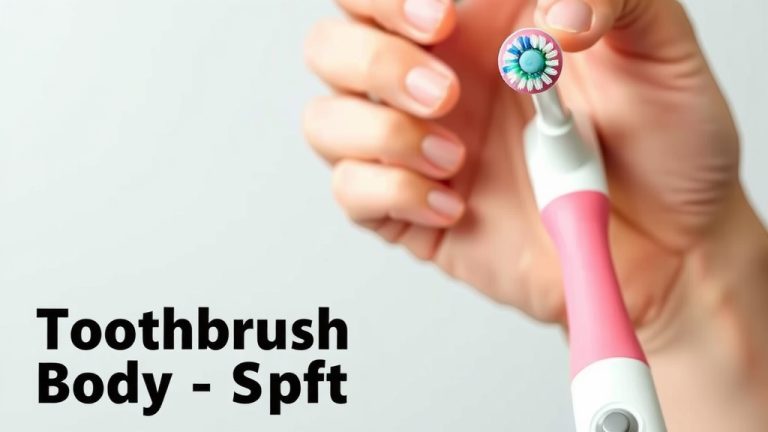
It might sound silly, but sometimes the brush head just isn’t seated properly. If it’s loose, the motor might not engage correctly, or it could even cause strange noises or vibrations before stopping. Ensure the brush head **clicks firmly into place** on the handle. Try removing it and reattaching it to be sure.
Clogged Up and Clogged Out
Toothpaste residue, water, and debris can get trapped where the brush head meets the handle. This buildup can interfere with the toothbrush’s internal mechanisms. A jam might prevent the motor from spinning.
We found that regularly detaching and cleaning the brush head and the area it connects to on the handle is a good habit. This simple step often resolves issues where the toothbrush starts but then quickly stops or runs weakly.
Mechanical Mishaps and Wear and Tear
Like any electronic device, electric toothbrushes have parts that can break or wear out over time.
Internal Damage or Wear
If you’ve accidentally dropped your toothbrush, even from a short height, it could have caused internal damage. A fall might dislodge components or damage the motor. Sometimes, the toothbrush might work intermittently before failing completely.
Water Damage: The Silent Killer
While electric toothbrushes are designed to be used with water, they aren’t typically meant for submersion. If your toothbrush has fallen into a sink full of water or been dropped in the shower, water might have seeped into the internal components. This can lead to corrosion or short circuits.
Many manufacturers advise against submerging the toothbrush handle. If you suspect water damage, it’s often best to let it dry completely for several days. However, repairs for water damage are rarely covered under warranty, and it’s a common reason for complete failure.
When It’s Time to Say Goodbye
Sometimes, despite your best efforts, your electric toothbrush has simply reached the end of its useful life. If you’ve tried all the troubleshooting steps and it’s still not working, it might be time to consider a replacement. This is especially true if your toothbrush is several years old or has suffered a significant drop or water exposure.
A Quick Checklist for Revival
Before you give up hope, run through this quick checklist. You might be surprised what fixes it!
- Is the charger plugged in securely?
- Is the wall outlet working?
- Are the charging contacts on the handle and base clean and dry?
- Is the brush head clicked on firmly?
- Have you tried removing and reattaching the brush head?
- Is the toothbrush more than 5 years old?
Conclusion
It’s certainly a bummer when your electric toothbrush suddenly stops working. But as we’ve seen, most issues aren’t the end of the road for your trusty cleaner. You’ve likely learned that a simple fix, like ensuring a clean charging connection or a properly seated brush head, can often bring it back to life. Even if the battery has genuinely given up the ghost after years of service, you now know to check if it’s replaceable. Before you plan your next purchase, take a moment to run through the troubleshooting steps. You might just surprise yourself and get your toothbrush buzzing again!
Frequently Asked Questions
My electric toothbrush won’t turn on at all. What’s the first thing I should check?
Start by verifying that your toothbrush is properly connected to its charger and that the charging base is plugged into a working wall outlet. Sometimes a loose connection is all it takes. Ensure both the handle and the base have clean charging contacts.
How often should I clean the charging contacts on my electric toothbrush?
We recommend cleaning the charging contacts on both the toothbrush handle and the charging base at least once a month. This simple habit prevents toothpaste residue and mineral buildup from interfering with the charging process.
My toothbrush started but then stopped. Could it be the brush head?
Yes, a brush head that isn’t securely attached or has significant buildup can cause this. Try removing the brush head, cleaning both it and the connection point on the handle, and then firmly reattaching it until it clicks. This often resolves the issue.
My electric toothbrush is several years old. Is it likely the battery?
If your toothbrush is more than five years old and has been used regularly, a depleted battery is a very common reason for it to stop working. Rechargeable batteries have a finite lifespan. If your model doesn’t allow for battery replacement, you may need to consider a new unit.
Can I use a different charger for my electric toothbrush if mine is broken?
It’s best to use the charger that came with your specific electric toothbrush model. Chargers often have unique voltage or connection requirements. Using an incompatible charger could damage your toothbrush or pose a safety risk.