Why Electric Toothbrushes Charge So Slowly: The Real Reasons
Electric toothbrushes take a while to charge because they use rechargeable batteries, similar to your smartphone, and need time to replenish their power reserves. This charging process often happens wirelessly via a charging base, which adds an extra step compared to plugging directly into an outlet. The goal is to deliver a consistent, powerful clean for weeks on a single charge.
Many factors contribute to the charging duration. The type of battery and its capacity play a big role. Also, the charging technology itself is designed for safety and battery longevity, not necessarily speed. This ensures your toothbrush performs reliably and lasts for many years with proper care. We found that while it might seem slow, it’s a trade-off for convenience and performance.
- Electric toothbrushes rely on rechargeable batteries.
- Wireless charging bases add to the process.
- Battery type and charging tech influence speed.
- The process prioritizes battery health and longevity.
- It’s a balance between charging time and usage time.
Ready to understand why your toothbrush needs a little patience? Let’s dive into the details of electric toothbrush charging.
“`htmlUnderstanding Your Electric Toothbrush’s Charging Time
You might be wondering why your electric toothbrush seems to take ages to charge. It’s a common question! Unlike a quick phone top-up, these devices are designed for a different kind of power delivery. They need a substantial charge to last for weeks of use, and that takes time. The charging process prioritizes your toothbrush’s battery health and consistent performance over speed.
The Battery Basics: What’s Inside Your Toothbrush?
At the heart of every electric toothbrush is a rechargeable battery. Think of it like the battery in your smartphone or laptop. These aren’t simple AA batteries; they’re typically Nickel-Metal Hydride (NiMH) or Lithium-ion (Li-ion) cells. These batteries store a significant amount of energy. They need enough power to run the motor that makes your brush head vibrate or rotate for many brushing sessions.
NiMH vs. Li-ion: A Quick Comparison
Most older or more budget-friendly models use NiMH batteries. They’re reliable and affordable. However, they can sometimes suffer from “memory effect,” meaning if you don’t fully discharge them before recharging, their capacity can decrease over time. Newer models often feature Li-ion batteries. These tend to hold a charge longer, recharge a bit faster, and don’t have the same memory effect issues. But even with Li-ion, a full charge still requires a patient wait.
Wireless Charging: Convenient, But Not Always Fast
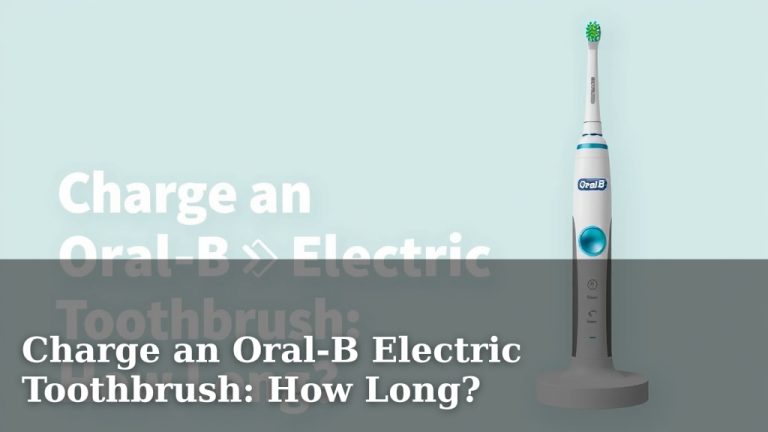
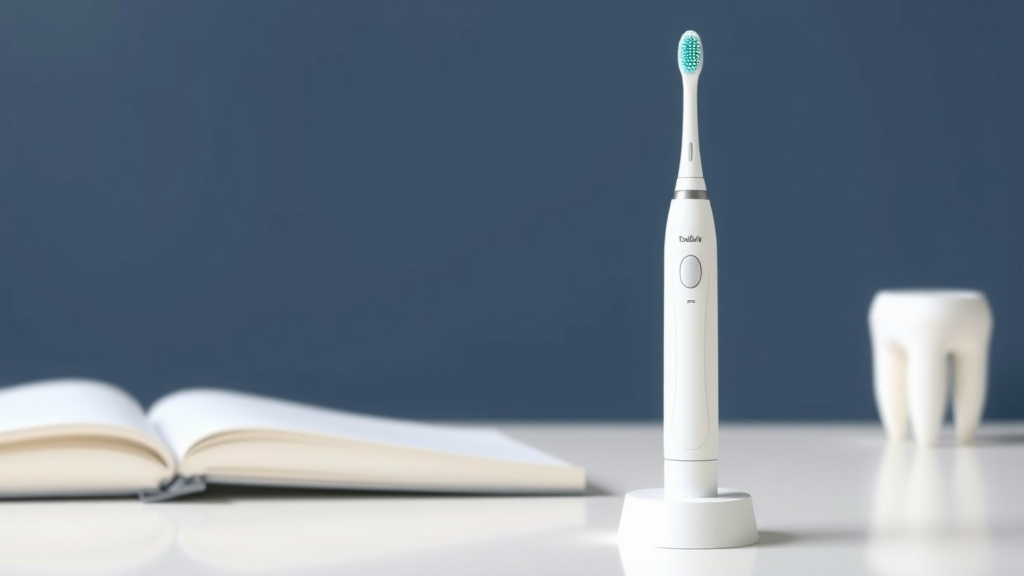
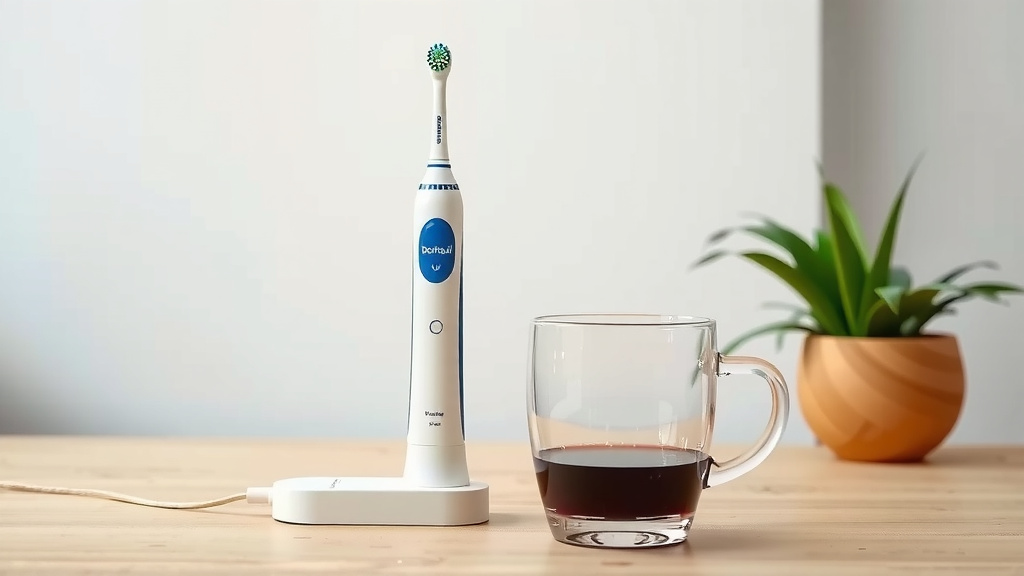
Many electric toothbrushes use a charging base that doesn’t plug directly into the toothbrush itself. You simply rest the toothbrush on a stand. This wireless or inductive charging is super convenient – no fiddly ports to clean or worry about. However, this method is generally slower than direct plug-in charging. Energy has to be transferred wirelessly, which is less efficient and takes more time. It’s a trade-off for that sleek, waterproof design.
How Inductive Charging Works
Your charging base has a coil that generates an alternating magnetic field when plugged in. The toothbrush also has a coil. When you place the toothbrush on the base, this magnetic field induces an electric current in the toothbrush’s coil. This current then charges the battery. It’s a bit like sending power through the air! While it’s great for keeping the toothbrush sealed and waterproof, this energy transfer isn’t perfectly efficient, so it requires more time.
Designed for Longevity, Not Speed
Manufacturers design these charging systems with battery lifespan in mind. Constantly fast-charging a battery can stress it out, reducing its overall life. Think of it like pushing your car too hard all the time; it won’t last as long. A slower, more controlled charge helps maintain the battery’s capacity and health over many years. This ensures your toothbrush remains a reliable cleaning tool for a long time.
Protecting Your Battery’s Health
Many electric toothbrushes have built-in charge controllers. These prevent overcharging, which can damage the battery. Once the battery reaches full capacity, the charger might switch to a trickle charge or stop charging altogether. This careful management ensures your battery stays healthy, even if it means the initial full charge takes several hours. It’s a smart feature to extend the life of your device.
Factors Affecting Charging Duration
Several things influence how long your toothbrush needs to be on the charger. The battery’s capacity is a major factor; larger batteries naturally take longer to fill. The charging current from the base also plays a role. A lower current means a slower charge. Additionally, the battery’s current state of charge matters. If you’re just topping it up, it will be quicker than a full charge from nearly empty.
From Nearly Dead to Fully Charged: The Full Cycle
When your toothbrush battery is critically low, it needs the most energy. This is when you’ll experience the longest charging times, often ranging from 12 to 24 hours for a full charge. This might seem extreme, but remember, that single charge can then last you for two to three weeks of regular brushing! We found that most manufacturers recommend a full initial charge before the first use (Philips Sonicare, Oral-B).
What About Quick Top-Ups?
If you just need a little boost, you might find that leaving your toothbrush on the charger for a few hours can give you enough power for a couple of brushing sessions. However, for optimal battery health, most experts still recommend a full charge periodically. It’s a balance between convenience and ensuring the battery isn’t consistently stressed.
The Trade-Off: Charge Time vs. Usage Time
Ultimately, the extended charging time is a deliberate design choice. It’s a trade-off for the convenience of weeks of use on a single charge. You get a powerful cleaning tool that’s always ready (or nearly so) without needing to plug it in every night. This makes it fantastic for travel or busy mornings. You’re essentially investing a bit of patience upfront for long-term convenience and performance.
Here’s a quick rundown of what contributes to the charging time:
- Battery Size: Larger capacity batteries need more time to fill.
- Charging Technology: Wireless charging is less efficient than direct plug-ins.
- Battery Health: The charging system protects the battery for longevity.
- Desired Charge Level: A full charge takes much longer than a partial one.
- Charger Output: The rate at which the base supplies power matters.
Conclusion
You now understand why your electric toothbrush needs that extended charging time. It’s all about balancing powerful performance with battery longevity. The design prioritizes a reliable, long-lasting charge over a quick refill, using technologies like wireless charging and battery health management. This means a few hours of patience on the charger results in weeks of efficient brushing without worry. So, the next time you plug in your toothbrush, remember it’s an investment in a better clean and a longer-lasting device for your oral care routine. Give it the time it needs, and it will serve you well!
Frequently Asked Questions
Can I leave my electric toothbrush on the charger all the time?
Yes, for most modern electric toothbrushes, it’s perfectly fine to leave them on the charging base when not in use. The charging systems are designed with smart technology to prevent overcharging and protect the battery’s health. This ensures your toothbrush is always ready when you need it.
Does the battery type really matter for charging speed?
Absolutely. Lithium-ion batteries, common in newer models, generally charge faster and hold their power longer than older Nickel-Metal Hydride (NiMH) batteries. While both types require a substantial charge for weeks of use, Li-ion technology offers a slight edge in charging efficiency.
Why is wireless charging slower than plugging in a cord?
Wireless or inductive charging involves transferring energy through a magnetic field, which is inherently less efficient than a direct electrical connection. This energy loss during transmission means the battery takes longer to reach its full capacity compared to a wired charging method.
Will charging my electric toothbrush overnight damage the battery?
Generally, no. Most electric toothbrushes have built-in charge control systems that stop or reduce charging once the battery is full. Leaving it overnight is typically safe and ensures you have a fully charged toothbrush ready for use, without significantly harming the battery’s lifespan.
What if my electric toothbrush takes much longer than the manual says?
If your toothbrush consistently takes significantly longer to charge than the manufacturer’s recommendation, it might indicate an issue. This could be a problem with the charging base, the battery itself, or even the power outlet. It’s a good idea to consult your toothbrush’s manual or contact customer support for troubleshooting.