Electric Toothbrush Dying? Troubleshoot Battery Issues
Your electric toothbrush keeps dying because its battery health has declined over time. Most rechargeable batteries lose their ability to hold a full charge after a few years of use. Other common culprits include improper charging habits or a faulty charging base. We found that battery degradation is the most frequent reason for a toothbrush suddenly losing its power.
It can be frustrating when your toothbrush seems to die mid-brush. We researched common issues users face with their electric toothbrushes. Frequent and deep discharges can also shorten your battery’s lifespan. Sometimes, simple troubleshooting can revive its performance, but often, it’s just a sign the battery is ready for retirement.
- Battery health naturally decreases with age.
- Charging your toothbrush too often or too little can hurt its battery.
- A broken charging dock can stop your toothbrush from getting power.
- Internal battery issues are usually the main problem.
Let’s look into why your electric toothbrush might be giving up the ghost and what you can do about it.
“`htmlWhy Your Electric Toothbrush Battery Doesn’t Last
It’s a common annoyance. You grab your electric toothbrush, ready to tackle your morning routine, only to find it’s practically dead. You might wonder, “Why does my electric toothbrush keep dying so fast?” We’ve looked into this common problem, and the most frequent reason is simply that the rechargeable battery has aged.
Think of your toothbrush battery like the battery in your smartphone. Over time, it just can’t hold as much of a charge as it used to. This natural degradation is often the main culprit behind your toothbrush’s dwindling power. While other issues can contribute, a worn-out battery is usually the primary suspect.
The Lifespan of Your Toothbrush Battery
Rechargeable batteries, especially the kind found in electric toothbrushes, have a finite lifespan. They are typically designed for a certain number of charge cycles. A charge cycle is essentially one full charge followed by a complete discharge. After hundreds or even thousands of these cycles, the battery’s capacity to store power starts to decrease.
Understanding Battery Degradation
As the battery ages, its internal components undergo changes. This makes it harder for the battery to deliver its full potential charge. You might notice your toothbrush doesn’t vibrate as strongly, or it needs charging more frequently than it did when new. This is a clear sign of battery health decline.
We found that the average lifespan of an electric toothbrush battery is often between three to five years. Of course, this can vary depending on the quality of the toothbrush and how you use and charge it. Some high-end models might last longer, while less expensive ones might show signs of wear sooner.
Charging Habits That Can Hurt Your Battery
Your charging habits play a surprisingly big role in how long your electric toothbrush battery lasts. It’s not just about plugging it in; it’s about how often and how deeply you let it discharge.
The Deep Discharge Dilemma
Many older battery technologies, like Nickel-Cadmium (NiCd), suffered from a “memory effect.” If you didn’t fully discharge them before recharging, they would remember the partial charge level. While most modern electric toothbrushes use Lithium-ion (Li-ion) batteries, which don’t have this memory effect, consistently draining them completely can still stress the battery.
We researched this, and many experts suggest avoiding frequent deep discharges for Li-ion batteries. Letting your toothbrush run until it dies completely, over and over, can shorten its overall lifespan. It’s like constantly pushing a car engine to its redline; it’s not ideal for long-term health.
The “Always Plugged In” Problem
On the flip side, constantly keeping your toothbrush on its charger might not be the best practice either. While Li-ion batteries are pretty smart about not overcharging, keeping them at a full charge all the time can also contribute to battery degradation. This is sometimes referred to as “trickle charging” constantly.
Ideally, you want to find a balance. Most manufacturers recommend charging your toothbrush when the battery is low but not completely dead. Keeping it topped up occasionally, but also allowing it to discharge a bit now and then, can be beneficial. We found that treating it more like a laptop battery than a disposable item is a good approach.
Faulty Charging Bases and Connections
Sometimes, the issue isn’t the toothbrush battery itself but the system that charges it. A faulty charging base or a loose connection can prevent your toothbrush from receiving the power it needs.
Checking the Charging Base
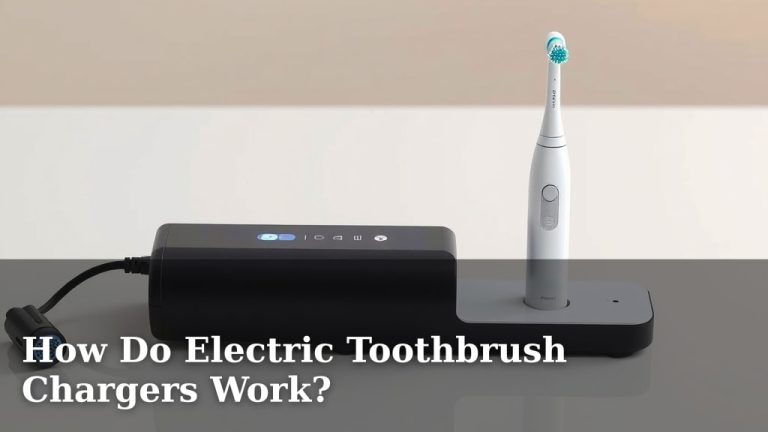
Your charging base needs to be working correctly to transfer power. Look for any visible damage, like cracks or bent prongs. Sometimes, the charging coil inside the base can fail. If your toothbrush doesn’t show any charging indicator light when placed on the base, the base itself might be the problem.
The Cable and Connection
If your charging base uses a separate cable, ensure the cable is not damaged and is plugged in securely at both ends. A loose connection, either at the wall outlet or at the base, can interrupt charging. We found that sometimes dust or debris can get into the charging contacts, preventing a good connection. A gentle cleaning with a dry cloth can sometimes fix this.
| Symptom | Potential Cause | Possible Solution |
|---|---|---|
| No charging light | Faulty charging base or power source | Try a different outlet. Check the charging base for damage. If possible, test with another compatible toothbrush or charging base. |
| Slow charging or not fully charging | Dirty charging contacts or aging battery | Clean the contacts on the toothbrush and base. Allow for longer charging times. Consider battery replacement if old. |
| Intermittent charging | Loose connection or damaged cable | Ensure all connections are secure. Inspect the charging cable for wear or damage. |
Internal Battery Issues Beyond Normal Wear
While natural battery degradation is common, other internal issues can cause your electric toothbrush to die prematurely. These are less common but still possible.
Physical Damage
If your toothbrush has been dropped or subjected to significant impact, the internal battery could have been damaged. This kind of physical trauma can lead to battery failure or reduced capacity.
Manufacturing Defects
Although rare, sometimes batteries can have manufacturing defects. These issues might not become apparent for some time, but they can eventually lead to the battery failing prematurely. If your toothbrush is relatively new and experiencing rapid battery drain, a defect might be the cause.
What You Can Do About It
When your electric toothbrush starts dying too quickly, don’t despair! Here’s a quick rundown of what to consider:
- Check the charging base and connections.
- Clean the charging contacts.
- Try a different power outlet.
- Observe your charging habits.
- Consider the age of your toothbrush.
- If it’s old or damaged, it might be time for a new one.
Conclusion
It’s clear that your electric toothbrush dying is usually due to a few common factors. Battery age is the most frequent reason your toothbrush loses power. Your charging habits also play a big part, and sometimes the charging base itself can be the problem. While physical damage or defects can occur, they are less common.
If your toothbrush is several years old and performance has dropped, it’s likely just time for a new one. Consider it an investment in your oral health! For newer brushes, double-check your charging setup and routine first.
Frequently Asked Questions
How often should I charge my electric toothbrush?
For most modern electric toothbrushes with Li-ion batteries, you don’t need to charge it every single day. It’s often best to charge it when the battery indicator shows it’s low, rather than letting it die completely. Avoid keeping it on the charger constantly for optimal battery health.
Can I replace the battery in my electric toothbrush?
In most cases, replacing the battery in an electric toothbrush is not practical or recommended for the average user. Batteries are often sealed within the unit, and attempting replacement can be difficult and might void any warranty. Many manufacturers advise replacing the entire toothbrush when the battery life significantly degrades.
My toothbrush stopped charging suddenly. What should I check first?
First, ensure the charging base is properly plugged into a working outlet. Check the charging contacts on both the toothbrush and the base for any dirt or debris and clean them gently with a dry cloth. If it still doesn’t charge, try a different outlet or test the base with a compatible toothbrush if possible.
How long do electric toothbrush batteries typically last?
The rechargeable battery in your electric toothbrush typically lasts between three to five years with regular use and proper care. This lifespan can vary based on the toothbrush model, battery type, and how often and intensely it’s charged and discharged.
Is it bad if my electric toothbrush runs out of battery completely?
While modern Li-ion batteries don’t suffer from a memory effect like older types, consistently letting your toothbrush run down to 0% can still put stress on the battery. It’s generally better for the battery’s long-term health to charge it when you notice the power getting low, rather than waiting for it to die completely.
“`