Electric Toothbrush Sonic vs Oral-B: Compared
When comparing electric toothbrush sonic vs Oral-B, sonic toothbrushes generally offer a gentler clean while Oral-B’s oscillating-rotating heads provide a more vigorous scrub. Both can be highly effective at removing plaque and improving gum health, but the best choice depends on your personal preferences and dental needs.
You might be wondering which technology is superior for your daily routine. Research shows both types have their unique advantages. Sonic brushes move bristles rapidly to create fluid dynamics that clean beyond where they physically touch. Oral-B’s rotating heads use a unique cup-like motion that sweeps away plaque effectively. We’ve found that many users report finding one type more comfortable or effective than the other.
- Sonic brushes are often gentler and use high-speed vibrations.
- Oral-B (oscillating-rotating) brushes offer a vigorous, sweeping clean.
- Both are effective at plaque removal.
- Your personal preference and gum sensitivity are key.
- Consider dentist recommendations for your specific needs.
Let’s dive into the specifics of how sonic and Oral-B electric toothbrushes stack up against each other.
Sonic vs. Oscillating-Rotating: Which Electric Toothbrush Tech Reigns Supreme?
So, you’re standing in the electric toothbrush aisle, feeling a bit overwhelmed. You see those sleek sonic brushes humming quietly and the more robust Oral-B models promising a deep clean. Which one is right for your smile? We’ve looked into the technology and user experiences to help you decide.
Both sonic and Oral-B (oscillating-rotating) toothbrushes are designed to clean your teeth far better than a manual brush. Research consistently shows electric toothbrushes are more effective at removing plaque and reducing gingivitis (Mayo Clinic). The main difference lies in their cleaning action. Think of it like a gentle massage versus a vigorous scrub. Your personal comfort and dental goals will guide you to the best pick.
How Sonic Toothbrushes Work Their Magic
Sonic toothbrushes operate with a high-frequency vibration. The bristles move back and forth incredibly fast, often between 20,000 and 48,000 brush strokes per minute. This rapid movement creates a dynamic cleaning action. It generates fluid forces that help dislodge plaque and food particles even slightly beyond where the bristles touch. It’s like a tiny, powerful wave washing over your teeth.
The Gentle Approach of Sonic Cleaning
Many users find sonic toothbrushes to be very gentle on their gums and enamel. If you have sensitive teeth, receding gums, or have been told by your dentist to be extra careful, a sonic brush might feel like a breath of fresh air. The sweeping motion is less abrasive than some other methods.
Who Benefits Most from Sonic Technology?
We found that people who prefer a quieter brushing experience often lean towards sonic models. The gentle vibration can also be appealing if you’re new to electric toothbrushes and are a bit apprehensive about the sensation. It’s a smooth, humming clean.
Oral-B’s Oscillating-Rotating Powerhouse
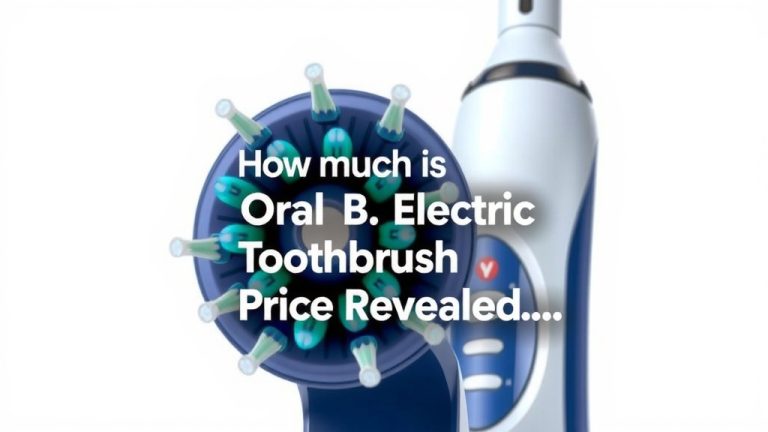
Oral-B toothbrushes, on the other hand, use a distinct oscillating-rotating technology. Their brush heads are typically smaller and round. They move in a circular motion, oscillating (rotating back and forth) and pulsating (moving in and out). This action aims to cup each tooth individually.
The Vigorous Scrubbing Action
This vigorous, sweeping motion is designed to mechanically sweep away plaque. It’s a more direct, targeted approach to plaque removal. Many dental professionals find this style to be incredibly effective at cleaning tooth surfaces. It feels like each tooth is getting a thorough, individual polish.
Who Benefits Most from Oral-B Technology?
If you’re looking for that “just left the dentist” clean feeling every day, an Oral-B might be your match. People who tend to build up plaque quickly or want a very deep clean often report satisfaction with this technology. It’s a powerful performer.
Comparing the Core Differences: A Quick Glance
Let’s break down the key distinctions side-by-side. Understanding these differences can help you pinpoint which type aligns best with your daily routine and oral health goals. It’s not about one being universally better, but about finding the better fit for *you*.
Here’s a quick comparison:
| Feature | Sonic Toothbrush | Oral-B (Oscillating-Rotating) |
|---|---|---|
| Cleaning Action | High-speed vibrations; fluid dynamics | Oscillating-rotating head; pulsating |
| Plaque Removal | Effective, cleans beyond bristles | Highly effective, cups each tooth |
| Gum Sensitivity | Generally gentler, less abrasive | Can be vigorous; choose sensitive brush heads |
| User Experience | Quieter, smooth humming | More noticeable vibration, a scrubbing feel |
| Brush Head Shape | Often oval or rectangular | Typically small and round |
Brush Head Design and Feel
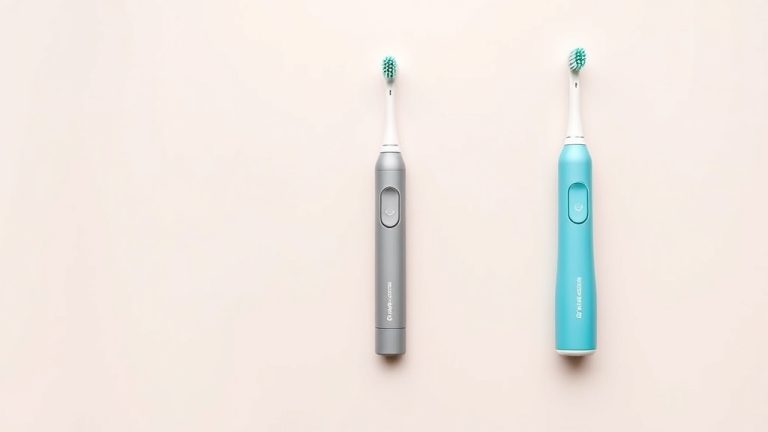
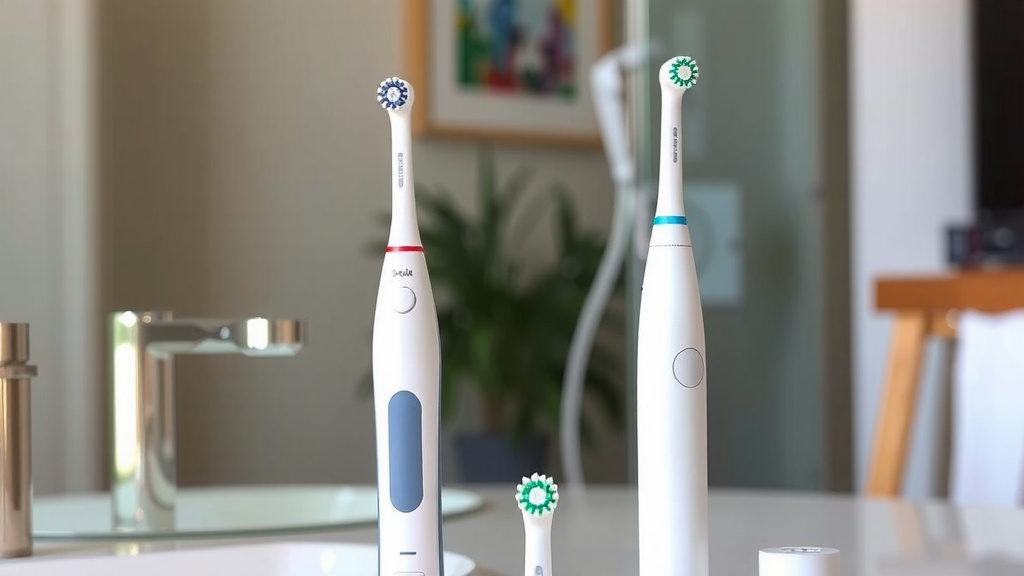
The physical shape of the brush head also plays a role. Sonic brushes often have heads that resemble manual toothbrushes, just with powered bristles. Oral-B’s round heads are designed to surround each tooth. Some people find the smaller Oral-B heads easier to maneuver in tight spots. Others prefer the larger coverage of a sonic brush head. It’s really about what feels comfortable in your mouth.
Key Considerations for Your Dental Health
When making your choice, think about your specific oral needs. Have you had gum issues in the past? Are you prone to plaque buildup? Your dentist is an excellent resource for personalized advice. They can assess your gums and teeth to recommend the best technology for you. Sometimes, they might even have a preference based on techniques they’ve seen work best for patients.
Gum Sensitivity and Enamel Wear
If you have sensitive gums or concerns about enamel wear, a sonic toothbrush’s gentler vibration might be the safer bet. Many models come with pressure sensors, which is a helpful feature for anyone who tends to brush too hard. These sensors alert you if you’re applying too much force, protecting your gums and enamel. Oral-B also offers sensitive brush heads and models with pressure sensors to mitigate these concerns.
Effectiveness in Plaque Removal
Both types are proven effective plaque removers. Studies have shown that oscillating-rotating toothbrushes can be slightly more effective at removing plaque from tooth surfaces and reducing gingivitis compared to manual brushing and even some sonic models (Cochrane Library). However, the difference may be small for many users, and proper technique is always key. The fluid dynamics of sonic brushes are also highly effective, especially in hard-to-reach areas.
Making Your Final Decision: A Checklist
To help you decide, consider these points. Ask yourself what truly matters for your daily brushing routine and long-term oral health. Your perfect toothbrush is out there!
- Do you have sensitive gums or teeth?
- Do you prefer a gentle or vigorous brushing sensation?
- Is noise level a concern for you?
- Do you want a small, tooth-cupping brush head or a larger, sweeping one?
- Has your dentist recommended a specific type?
- Are you looking for extra features like pressure sensors or app connectivity?
Conclusion
Choosing between a sonic and an Oral-B electric toothbrush comes down to your personal brushing style and dental needs. Sonic brushes offer a gentle, vibrating clean that’s great for sensitive mouths, while Oral-B’s oscillating-rotating heads provide a vigorous scrub for a deep clean feeling. Both technologies are proven effective at removing plaque and improving oral hygiene when used correctly. We’ve found that listening to your mouth’s feedback and consulting your dentist are your best guides. Consider what feels most comfortable and effective for your daily routine, and you’ll find the perfect brush to keep your smile healthy and bright.
Frequently Asked Questions
Is one type of electric toothbrush better for sensitive gums?
Generally, sonic toothbrushes are considered gentler on sensitive gums due to their high-speed vibrations and fluid dynamics. However, Oral-B also offers sensitive brush heads and pressure sensors that can make their oscillating-rotating models suitable for those with gum sensitivity.
Which toothbrush is better for removing plaque in hard-to-reach areas?
Both types excel in plaque removal, but in different ways. Sonic brushes use fluid dynamics to clean beyond the bristles, reaching into tight spots. Oral-B’s smaller, round heads are designed to cup each tooth, allowing for precise cleaning around every surface and in tight crevices.
Can an electric toothbrush with a vigorous clean damage my enamel?
While Oral-B’s oscillating-rotating action can feel vigorous, damage is unlikely if you use proper technique and a soft-bristled brush head. Many models include pressure sensors that alert you if you’re brushing too hard, protecting both your enamel and gums.
How often should I replace my electric toothbrush head?
It’s recommended to replace your electric toothbrush head every three months, or sooner if the bristles become frayed or worn. Worn bristles are less effective at cleaning your teeth and can potentially harm your gums.
Should I ask my dentist which type is best for me?
Absolutely! Your dentist can assess your specific oral health, including gum condition and plaque buildup patterns. They can provide a personalized recommendation based on what will be most effective and comfortable for your unique dental needs.