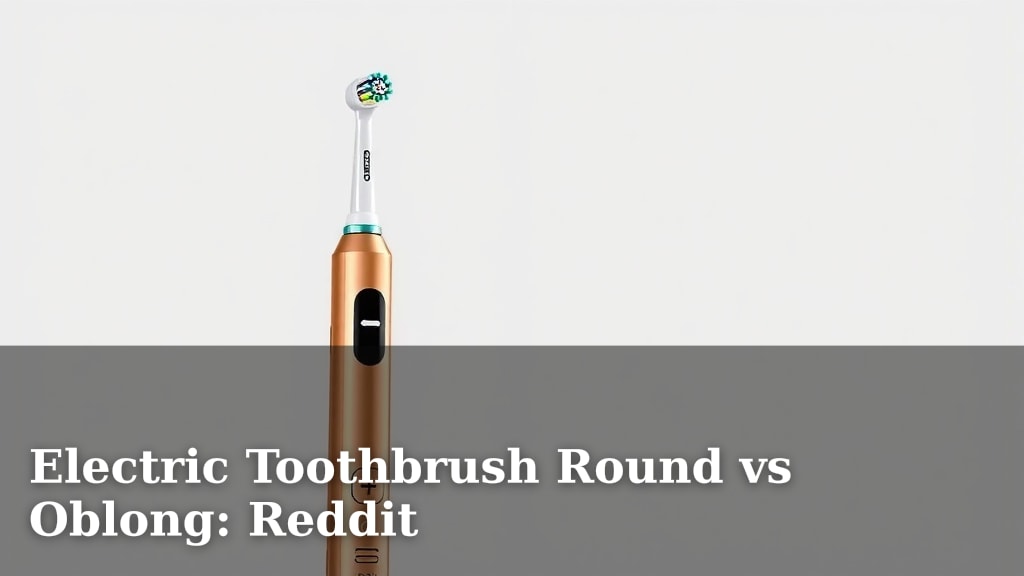
Electric Toothbrush Round vs Oblong: Reddit
When deciding between an electric toothbrush with a round head versus an oblong one, round heads often offer a superior clean for individual teeth. Research and user reviews suggest round brush heads excel at reaching every surface and cleaning each tooth independently. This focused approach can lead to better plaque removal. Most dentists recommend this type for an effective daily clean.
The difference boils down to how they work. Round heads typically use a rotating-motion technology. Oblong heads, often resembling manual toothbrushes, usually use oscillation or sonic vibrations. While both can be effective, many users find the round, oscillating heads more thorough for reaching tight spots. It’s a bit like comparing a tiny, focused cleaning tool to a broader sweep.
- Round brush heads are great for cleaning each tooth individually.
- They often use a rotating motion for thorough plaque removal.
- Oblong heads tend to use oscillation or sonic vibrations.
- Many find round heads offer a more targeted and effective clean.
- Your personal preference for feel and technique also matters.
Let’s break down what makes each type unique, so you can pick the perfect electric toothbrush for your smile.
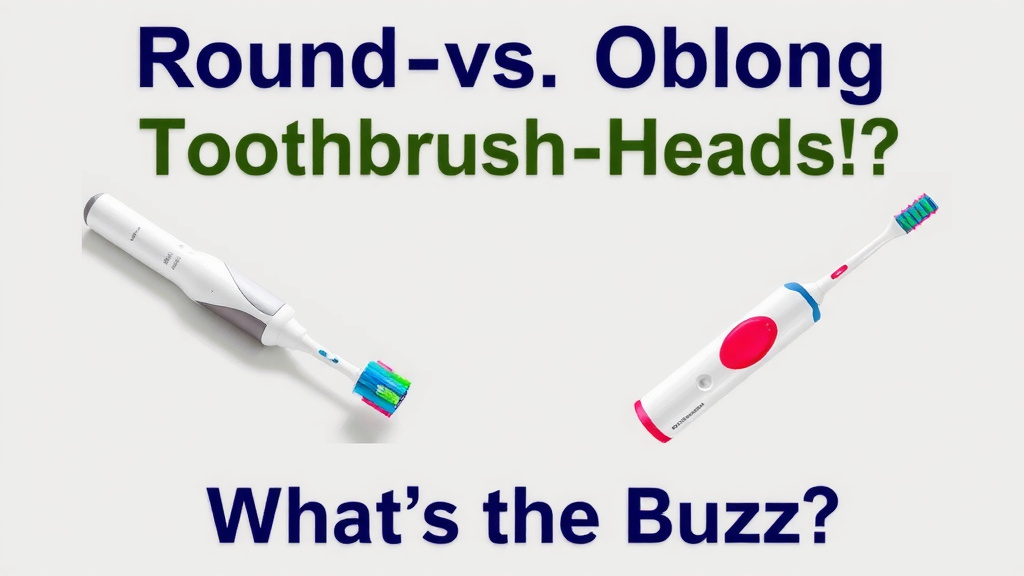
Round vs. Oblong Electric Toothbrush Heads: What’s the Buzz?
You’ve seen them. You’ve probably even wondered about them. Electric toothbrushes come with different head shapes, and it can feel like a puzzle to figure out which is best for your smile. We’re here to help you sort out the round versus oblong dilemma, drawing from what users on platforms like Reddit often discuss and what dental professionals generally suggest.
The Case for the Round Brush Head
Many people find that round brush heads feel more effective. This is often because they are designed to cup each tooth individually. Think of it like a tiny, specialized cleaning tool for each tooth. This focused approach allows the bristles to get into all the nooks and crannies around a single tooth. This can lead to superior plaque removal for many users.
How Round Heads Work Their Magic
The most common type of electric toothbrush with a round head uses a rotating-oscillating technology. The head spins and then pulsates, gently scrubbing away plaque. This motion is very effective at breaking up and sweeping away debris. It’s a dance of movement that’s designed to clean thoroughly. Many dentists recommend this style because it mimics the careful technique they might use during a professional cleaning.
Why Users Prefer Round Heads
On forums like Reddit, users often mention the feeling of cleanliness after using a round brush head. They report that their teeth feel smoother and cleaner. Some also find the smaller size of the round head easier to maneuver. This allows them to reach tricky areas, like the back molars, without struggling. This personal preference for the feel and effectiveness plays a big role in choosing the right brush.
Understanding the Oblong (or Oval) Brush Head
Oblong or oval brush heads often resemble traditional manual toothbrushes. They tend to cover a larger surface area with each stroke. If you’re used to manual brushing, this shape might feel more familiar. These heads typically employ different cleaning technologies than the round ones.
Technologies Behind Oblong Heads
Oblong brush heads commonly use sonic vibration technology. The bristles vibrate at a very high speed, creating tiny movements that dislodge plaque and food particles. Some also use an oscillating-pivoting motion, similar to round heads but on a larger scale. The idea here is to cover more ground with each pass. This can be a faster way to brush for some individuals.
When Oblong Heads Might Shine
For people who want to cover more tooth surface at once, an oblong head might be appealing. It can feel like you’re getting a broader sweep. Some users also find the larger coverage area helps them feel like they are cleaning more efficiently. If you tend to brush with broad strokes, this shape might align with your natural technique. However, some studies suggest they might not clean individual tooth surfaces as effectively as round heads.
Reddit’s Take: What Are People Saying?
When you browse discussions on Reddit about electric toothbrushes, a few themes keep popping up regarding head shapes. It’s a treasure trove of real-world experiences. Many users lean towards the round heads for a deep clean, often citing their dentists’ recommendations. They appreciate the way a round head can really get around each tooth. Others mention that the sonic vibrations from oblong heads feel intense and leave their teeth feeling polished.
The “Individual Tooth” Argument
A recurring point from Reddit users is the perceived ability of round heads to clean each tooth independently. This seems to be a major selling point for those seeking the most thorough clean. They describe feeling like they can target problem areas more effectively. This focused approach is often highlighted as a key benefit over broader-coverage heads.
Personal Preference and Feel
Ultimately, what feels best in your mouth matters. Some users find the oscillating motion of round heads invigorating, while others prefer the high-frequency buzz of sonic toothbrushes with oblong heads. It’s a very personal choice. What one person finds perfectly comfortable and effective, another might find less so. Trying different types, if possible, can be helpful.
Making Your Choice: Round vs. Oblong
Choosing between a round and oblong electric toothbrush head comes down to what works best for your unique dental needs and preferences. Both technologies can effectively clean your teeth and gums when used correctly. However, the design of the round head is often cited as being more efficient for cleaning individual tooth surfaces.
Considerations for Your Smile
Think about your current brushing habits. Do you aim to clean each tooth thoroughly, or do you prefer to cover a wider area? If you have specific areas of concern, like tight spaces between teeth or around braces, a round head might offer better precision. For general plaque removal and a feeling of overall smoothness, both can work well.
Here’s a quick rundown to help you decide:
- Targeted Cleaning: Round heads excel at cleaning each tooth individually.
- Broader Sweep: Oblong heads cover more surface area at once.
- Technology: Round heads often use oscillating-rotating; oblong heads often use sonic vibrations.
- Feel: User preference for the sensation in their mouth is key.
- Dentist Advice: Many dentists recommend round heads for thoroughness.
A Quick Comparison Table
Let’s put the key differences side-by-side for easier review:
| Feature | Round Brush Head | Oblong Brush Head |
|---|---|---|
| Primary Cleaning Action | Oscillating-Rotating | Sonic Vibration (often) |
| Coverage | Individual tooth focus | Broader surface area |
| User Feedback (Common) | Precise, thorough clean on each tooth | Polished feel, quick coverage |
| Best For | Targeted plaque removal, hard-to-reach spots | General brushing, users preferring wider strokes |
Your Personal Checklist for Choosing
Before you make your final decision, ask yourself these questions:
- Have you discussed electric toothbrush options with your dentist?
- Do you feel that cleaning each tooth individually is important?
- Do you prefer a smaller brush head that maneuvers easily?
- Are you looking for the most efficient way to cover all tooth surfaces?
- Does the “feel” of sonic vibrations or oscillating motions matter most to you?
- Are you trying to reach specific areas, like around dental work?
By considering these points, you’ll be much closer to finding the electric toothbrush head shape that’s perfect for keeping your smile healthy and bright.
Conclusion
Choosing between a round and oblong electric toothbrush head really comes down to your personal goals for oral hygiene. While research and user feedback often point to round heads for their ability to clean each tooth thoroughly, oblong heads can also provide an effective clean with their broader coverage. Many dentists suggest round heads due to their precision. Ultimately, the best choice is the one that feels most comfortable and effective for you. Consider discussing your options with your dentist and think about which brushing style you prefer. This will help you find the right tool for a healthier smile.
Frequently Asked Questions
Which toothbrush head shape is better for sensitive gums?
For sensitive gums, the gentleness of the bristles and the pressure you apply are often more critical than the head shape itself. Both round and oblong heads can be designed with soft bristles. If you have sensitive gums, look for brushes specifically labeled as ‘soft’ or ‘sensitive’ and maintain a gentle brushing technique.
Can I switch between round and oblong brush heads on the same electric toothbrush?
Yes, many electric toothbrush brands offer interchangeable brush heads. If your toothbrush base is compatible, you can often purchase and use both round and oblong replacement heads. This allows you to experiment and find out which shape you prefer without buying a new toothbrush.
Do dentists universally recommend round brush heads?
Many dentists do recommend round brush heads because their design allows for excellent cleaning of individual tooth surfaces and around the gumline, mimicking a professional cleaning technique. However, the best recommendation often depends on your specific oral health needs and brushing habits. Always consult your dentist for personalized advice.
Is one type of brush head better for braces or dental work?
Round brush heads are often considered more effective for cleaning around braces, aligners, or other dental work. Their smaller size and focused cleaning action can make it easier to maneuver into tight spaces and remove plaque buildup around brackets and wires, where debris can easily accumulate.
How do I know if I’m brushing correctly with either head shape?
Regardless of the head shape, proper technique is key. Aim to hold the brush at a 45-degree angle to the gumline and let the brush do the work. For round heads, focus on cupping each tooth. For oblong heads, use gentle sweeping motions. Most electric toothbrushes have built-in timers to ensure you brush for the recommended two minutes.