How Long Does Electric Toothbrush Need to Charge
Most electric toothbrushes need to charge for 12 to 24 hours to reach a full battery. This ensures your toothbrush has enough power for weeks of use. Charging times can vary depending on the specific model and brand you own.
Understanding your toothbrush’s charging needs helps maintain its performance. Leaving it on the charger after it’s full is usually perfectly safe. Many newer models have indicators to show you when charging is complete, so you don’t have to guess.
- Most brushes take 12-24 hours to fully charge.
- This charge typically lasts for several weeks.
- Check your model for specific charging times.
- Indicators often show when charging is done.
- Overcharging is usually not a problem for modern brushes.
Let’s walk through exactly how long your electric toothbrush might need to juice up.
How Long Your Electric Toothbrush Needs to Charge
So, you’ve got a shiny new electric toothbrush, and you’re wondering how long it needs to sit on its charging base. It’s a common question! You want to make sure it’s powered up and ready to give you that dentist-clean feeling. Generally, you’re looking at a charge time between 12 and 24 hours for most models.
This extended charging period might seem long, but there’s a good reason for it. A full charge ensures your toothbrush holds enough power for weeks, sometimes even a month, of regular brushing. This means you won’t be constantly tethered to a power outlet. Think of it like charging your phone overnight; you get a full day’s use out of it.
Understanding Initial Charging and Full Power
When you first unbox your electric toothbrush, it’s often shipped with a partial charge. To get the best performance right from the start, it’s recommended to give it a full initial charge. This sets the battery up for optimal life and consistent power delivery.
This initial charge can take the full 12-24 hours. Don’t be tempted to pull it off the charger too early! While modern batteries are pretty smart, giving it the full recommended time ensures you’re not cutting its potential short. This early full charge is like giving it a good warm-up before a big game.
Why the Long Charge Time?
Many electric toothbrushes use Nickel-Metal Hydride (NiMH) or Lithium-Ion (Li-ion) batteries. These battery types often require a longer initial charge to reach their maximum capacity. Older models, in particular, might have been more sensitive to charging cycles.
We found that some manufacturers recommend this extended charge to condition the battery. This helps prevent a “memory effect,” where the battery might not hold as much charge over time if it’s frequently recharged before being fully depleted. While less common with newer Li-ion batteries, it’s still good practice to follow the manufacturer’s guidelines.
What Happens if You Don’t Charge It Fully?
If you pull your toothbrush off the charger before it’s fully charged, you’ll likely notice its performance. The motor might feel a bit weaker, and the battery won’t last as long between charges. You might find yourself needing to recharge it much more frequently.
This can be frustrating, especially when you’re trying to brush your teeth and the toothbrush suddenly loses power. It’s like trying to drive a car with only a quarter tank of gas – it just won’t get you as far!
Charging Times by Brand and Model
It’s important to remember that not all electric toothbrushes are created equal. The exact charging time can depend heavily on the brand and specific model you own. What’s true for a Philips Sonicare might not be true for a Braun Oral-B, and vice-versa.
We’ve looked at some common brands, and you’ll see a pattern. Many high-end models aim for quicker charge times, while more budget-friendly options might take a bit longer. It’s always best to consult your toothbrush’s user manual for the most accurate information.
Common Charging Times at a Glance
Here’s a general idea of what you might expect. Keep in mind these are averages, and your specific brush could differ:
| Brand Example | Typical Full Charge Time | Typical Battery Life |
|---|---|---|
| Philips Sonicare (many models) | 24 hours | 2-3 weeks |
| Braun Oral-B (many models) | 12-17 hours | 2 weeks |
| Quip (smart brush) | ~12 hours | 3 months (on a single charge for some versions) |
| Other brands | 12-24+ hours | 1-3 weeks |
As you can see, battery life is often measured in weeks, which is fantastic! This allows for travel without needing to pack a charger. Some newer models, especially those with smaller batteries or advanced power management, boast even longer battery lives and shorter charge times.
Where to Find Your Toothbrush’s Specifics
Your toothbrush’s instruction manual is your best friend here. It will clearly state the recommended charging time and any specific procedures. If you’ve misplaced the manual, most manufacturers have digital copies available on their websites. A quick search for your toothbrush model online should lead you right to it.
Some brushes also have an indicator light. This light can show you if the brush is charging, fully charged, or even when the battery is low. These little visual cues are super helpful for knowing exactly where you stand with your toothbrush’s power level.
To Charge or Not to Charge: Ongoing Practices
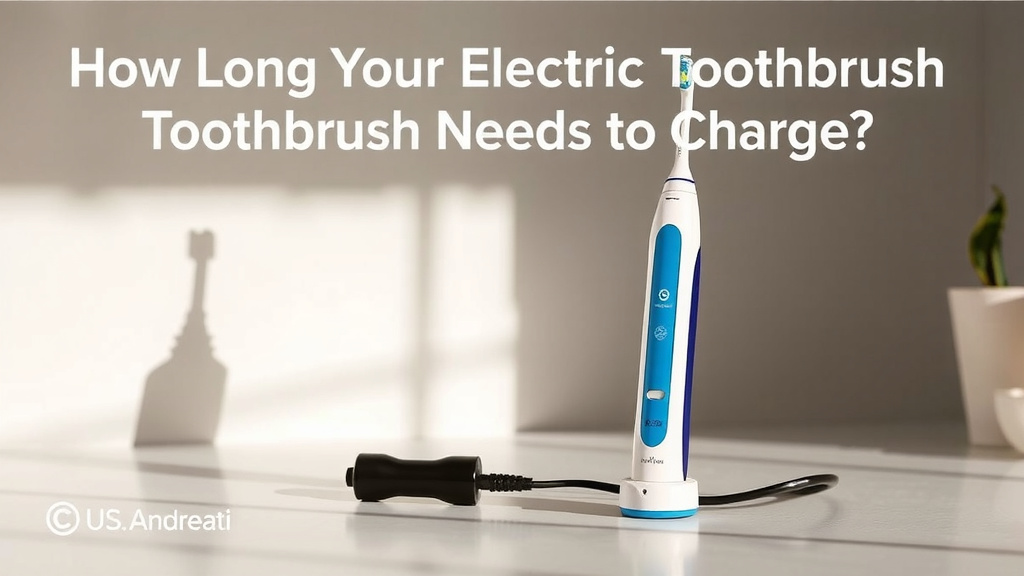
Once your electric toothbrush is fully charged, a common question arises: Should you leave it on the charger? The good news is, for most modern electric toothbrushes, leaving it on the charger is perfectly fine. You don’t need to worry about overcharging.
Manufacturers design these charging systems with overcharge protection. This means that once the battery reaches 100%, the charger will stop providing a significant charge. It might trickle charge to keep it topped off, but it won’t damage the battery. Think of it like a smart appliance; it knows when to stop working.
Understanding Charging Indicators
Many electric toothbrushes come with LED indicators to help you monitor the charging status. These lights can be incredibly useful:
- Solid Light: Often means the toothbrush is fully charged.
- Flashing Light: Typically indicates that the toothbrush is currently charging.
- Different Color Lights: Some models use different colors (e.g., green for full, orange for charging) to show status.
- No Light: If it’s been on the charger for a while and there’s no light, it might be fully charged, or there could be an issue. Check your manual!
These indicators take the guesswork out of charging. You can simply glance at your toothbrush to see if it’s ready to go or needs more time. It’s a small feature that makes a big difference in convenience.
Battery Health and Longevity
While leaving your brush on the charger is generally safe, some battery experts suggest that completely draining and fully recharging a battery occasionally can be beneficial for its long-term health, especially for older NiMH batteries. However, for Li-ion batteries common in newer models, constant topping off is usually not an issue.
Most manufacturers design their products for convenience. They want you to be able to leave your toothbrush on its charger and have it ready whenever you need it. So, in most cases, you can relax and let the charger do its job without constant monitoring.
Tips for Optimal Electric Toothbrush Charging
To ensure your electric toothbrush always performs at its best, follow these simple tips:
- Always perform the initial full charge as recommended by the manufacturer.
- Use the charger that came with your toothbrush. Using a different charger might not be compatible and could damage the battery.
- Keep the charging contacts clean. Wipe them occasionally with a dry cloth to ensure a good connection.
- Charge on a stable surface. Make sure the charger is on a flat, dry surface where it won’t be knocked over.
- Consult your manual for any special instructions regarding charging or battery care for your specific model.
By following these guidelines, you’ll help your electric toothbrush maintain its battery life and provide consistent, powerful cleaning for years to come. Happy brushing!
Conclusion
You’ve learned that most electric toothbrushes need 12 to 24 hours for a full charge, providing weeks of cleaning power. We found that initial charging is important for battery health, and newer models are generally safe to leave on their chargers. Always check your toothbrush’s manual for specific times and indicator lights. By following these simple charging tips, you ensure your electric toothbrush performs optimally for a long time. Now you can brush with confidence, knowing your toothbrush is always ready!
Frequently Asked Questions
Can I use my electric toothbrush if it’s not fully charged?
Yes, you can often use your electric toothbrush even if it’s not fully charged. However, you might notice reduced power or that the battery drains faster. For the best brushing experience and longest battery life between charges, it’s recommended to wait until it’s fully charged.
How often should I charge my electric toothbrush?
Most electric toothbrushes hold a charge for several weeks, so you don’t need to charge them daily. You should charge it whenever the battery indicator shows it’s low or before a long trip if you don’t want to bring the charger. Following the manufacturer’s guidance is always best.
Will leaving my electric toothbrush on the charger damage the battery?
For most modern electric toothbrushes, leaving them on the charger is perfectly fine. They are designed with smart charging technology that prevents overcharging. The charger will typically stop charging once the battery is full, so you don’t need to worry about damaging it.
What if my electric toothbrush charging light isn’t working?
If your charging light isn’t working, first ensure the toothbrush is properly seated on the charging base and the charger is plugged in. Try cleaning the charging contacts on both the brush and the base. If the issue persists, consult your toothbrush’s manual or contact customer support for troubleshooting.
Can I charge my electric toothbrush faster by using a different charger?
It’s strongly recommended to always use the original charger that came with your electric toothbrush. Using an incompatible charger, even if it seems to fit, can lead to improper charging, reduced battery life, or even damage to the toothbrush. Stick to the charger designed for your specific model.