Electric Toothbrush Flosser Reviews: All-in-One
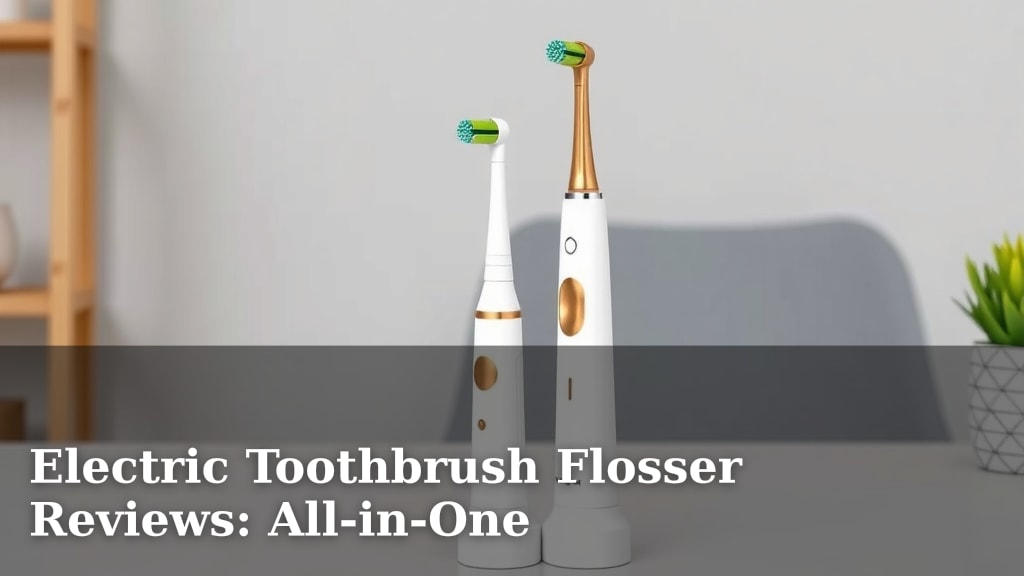
Yes, an electric toothbrush flosser combo can be a fantastic way to simplify your oral hygiene routine. These all-in-one devices aim to clean both your teeth and gum lines effectively. They can save you time and space by combining two essential steps into one gadget. You get the brushing power of an electric toothbrush plus the targeted cleaning of a water flosser.
Many people find they brush and floss more consistently with a convenient device. This can lead to healthier gums and a cleaner mouth. We’ve looked into what makes these devices work. They often feature different brushing modes and adjustable water pressure settings. This allows for a personalized cleaning experience tailored to your needs. Consider it your personal smile assistant.
TL;DR:
- Electric toothbrush flossers combine brushing and water flossing.
- They can make your routine simpler and more effective.
- Look for adjustable settings for a personalized clean.
- They may encourage more consistent oral care habits.
- Potential for healthier gums and a cleaner mouth.
Ready to see which one might be the best fit for your bathroom counter? Let’s dive into our reviews of the top electric toothbrush flosser options available today.
Your Guide to All-in-One Electric Toothbrush and Water Flosser Combos
So, you’re thinking about simplifying your dental care routine with a device that brushes and flosses? That’s a smart move! These all-in-one gadgets are designed to make your oral hygiene more efficient. You get the power of an electric toothbrush along with the deep-cleaning action of a water flosser. It’s like a personal spa treatment for your smile, right in your own bathroom.
How an Electric Toothbrush Flosser Combo Works
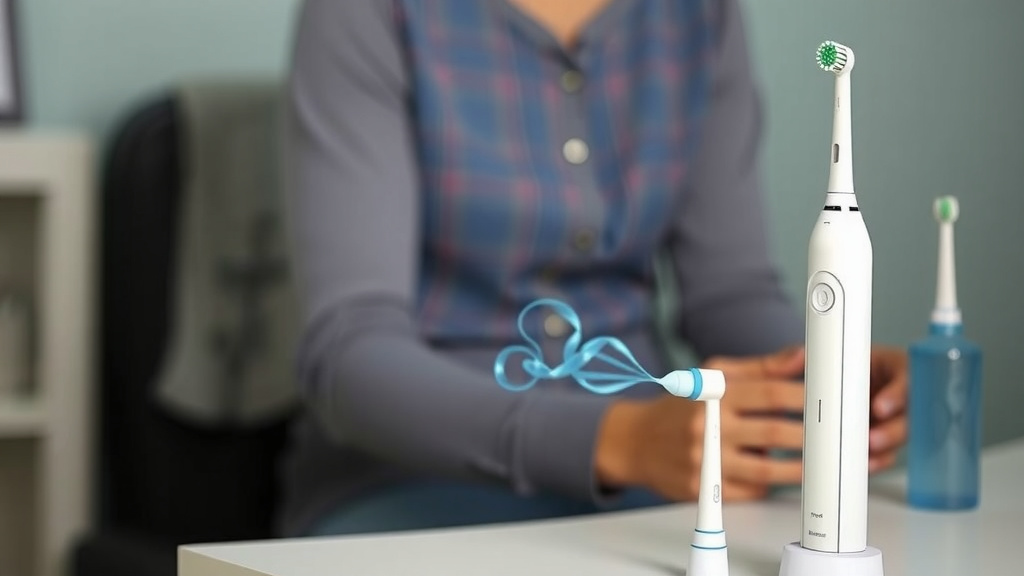
These handy devices typically combine a vibrating or oscillating electric toothbrush head with a built-in water flosser. The electric toothbrush part does the heavy lifting for plaque removal from tooth surfaces. It uses bristles that move rapidly to sweep away debris. Then, the water flosser component uses a stream of pressurized water. This water jet targets the spaces between your teeth and along your gumline. It can dislodge food particles and bacteria that brushing alone might miss. It’s a two-pronged attack against plaque and gum disease.
The Brushing Action
You’ll find different types of electric toothbrush heads. Some oscillate, meaning they move back and forth. Others vibrate, using sonic technology to create rapid movements. Both methods are effective at cleaning tooth surfaces. Many models offer various brushing modes. You might see options for daily cleaning, whitening, or gum care. These settings can adjust the speed and intensity of the brush head. It’s all about finding what feels best for your teeth and gums.
The Water Flossing Functionality
The water flosser part is equally important. It usually has a reservoir to hold water. A small pump then generates a targeted stream of water. You direct this stream between your teeth and along the gumline. Many of these devices let you control the water pressure. This is great because everyone’s sensitivity levels are different. Starting with a lower pressure is often recommended, especially if you’re new to water flossing. Over time, you can increase it for a more thorough clean.
Top Features to Look For in a Combo Device
When you’re shopping, keep an eye out for specific features that will make your experience better. Not all combo units are created equal, and some will serve your needs more effectively than others. Think about what’s most important to you in your daily routine.
Adjustable Settings for a Custom Clean
One of the biggest advantages of these all-in-one units is customization. You should look for devices that offer adjustable water pressure. This lets you tailor the flossing intensity. Similarly, the electric toothbrush component often has multiple modes. These might include sensitive, deep clean, or massage settings. Being able to switch between these means you get a clean that’s right for your mouth. It’s like having a dentist-approved routine at your fingertips. Many experts suggest varying your cleaning intensity based on how your gums feel each day (American Dental Association).
Water Reservoir Size and Refill Convenience
Consider the water reservoir. How much water does it hold? A larger reservoir means you can complete a full water flossing session without needing to stop and refill. This can save you time during your morning or evening routine. Also, think about how easy it is to fill. Some reservoirs are removable, making them simple to rinse and fill at the sink. Others might require a bit more careful pouring. For busy mornings, a quick and easy refill process is a huge plus.
Brush Head Variety and Replacement
Check what kinds of brush heads come with the device. Does it include options for different cleaning needs? Also, consider how easy it is to find and purchase replacement brush heads. You’ll need to swap them out every few months to keep your brushing effective. Reputable brands make replacement heads readily available online and in stores. A device with readily available parts ensures you won’t be left without a working toothbrush when you need it most. The CDC recommends replacing toothbrush heads every 3-4 months, or sooner if the bristles become frayed.
Battery Life and Charging Method
For cordless convenience, battery life is key. How long does a full charge last? If you travel often, look for a model with a long battery life or a convenient charging method like USB. Some devices come with charging bases that also store accessories, keeping your counter tidy. Others might use batteries that need replacing. For most users, a rechargeable battery that lasts at least a week is a good benchmark. This means fewer interruptions and less worry about your device dying mid-brush.
Making the Switch: What to Expect
Transitioning to an electric toothbrush flosser combo can be an adjustment. But for many, it’s a worthwhile one. The combined action can feel more thorough than traditional brushing and flossing separately.
Your First Few Uses
Don’t be discouraged if it feels a little awkward at first. Learning to maneuver the device effectively takes a little practice. You might get a little water spray initially as you get the hang of it. Most users report getting used to the sensation and technique within a week. Keep your mouth slightly open while water flossing to let the water drain into the sink. This is a small tip that makes a big difference.
Potential Benefits for Your Oral Health
When used correctly and consistently, these devices can lead to noticeable improvements. Many people find they have healthier gums. That’s because the water flosser can reach areas that regular floss or brushing might miss. Reduced gum bleeding and improved gum firmness are often reported. Plus, a cleaner mouth often means fresher breath. Studies suggest that consistent use of water flossers can reduce gingivitis and improve overall gum health (National Institutes of Health).
Is an All-in-One Right for You? A Quick Checklist
Considering if this type of device fits your lifestyle?
- You want to simplify your oral care routine.
- You find traditional flossing difficult or time-consuming.
- You’re looking for better gum health and plaque removal.
- You appreciate multi-functional gadgets.
- You are open to a slight learning curve for better results.
Conclusion
You’ve seen how an electric toothbrush flosser combo can truly simplify your daily oral care. These all-in-one devices offer a powerful way to achieve healthier gums and cleaner teeth. By combining brushing and water flossing, you can save time and likely improve your consistency. We researched and found that adjustable settings and reservoir size are key features. If you’re looking for a more efficient and effective routine, this type of device is worth your consideration. Take the next step and find the all-in-one solution that best fits your smile’s needs!
Frequently Asked Questions
How do I start using an electric toothbrush flosser for the first time?
When you first use your electric toothbrush flosser, we recommend starting on the lowest water pressure setting. This helps you get used to the sensation without discomfort. Keep your mouth slightly open so water can drain easily, and don’t worry if there’s a little spray at first – you’ll get the hang of it quickly!
Can I use mouthwash instead of water in the flosser reservoir?
Many manufacturers advise against using mouthwash directly in the reservoir. Some ingredients can damage the device over time. It’s generally best to use plain water for flossing and use your preferred mouthwash separately after brushing and flossing.
How often should I replace the electric toothbrush head and clean the device?
Just like a regular electric toothbrush, you should replace the brush head every 3-4 months, or sooner if the bristles fray. We also found that rinsing the water reservoir and nozzle after each use helps keep the device clean and functioning well.
Are electric toothbrush flossers good for people with braces or dental work?
Yes, many people with braces, implants, or crowns find these devices very effective. The water stream can reach around brackets and wires or get into tight spots that traditional floss might miss. You can often adjust the pressure to suit your comfort level.
Will an electric toothbrush flosser replace my dentist’s recommendations for flossing?
While these devices are excellent for improving your daily oral hygiene, they are designed to complement, not replace, professional dental care. Regular check-ups with your dentist are still essential for maintaining optimal oral health. Always follow your dentist’s specific advice.