Electric vs Manual Toothbrush: Which Cleans Best
Navigating the oral hygiene aisle in 2026, the age-old electric versus manual toothbrush debate still sparks questions. While your trusty manual brush can certainly get the job done with the right technique, the scientific consensus remains strong: electric toothbrushes generally hold the edge. Their consistent power and oscillating or sonic movements are proven to sweep away more plaque and contribute to healthier gums, often with less effort on your part. If you’re aiming for that dentist-clean feeling, let’s dive into which technology truly reigns supreme for your smile.
Choosing the right toothbrush matters for your oral health. Both types can keep your teeth clean. However, the powered action of electric models offers an advantage for many users. We’ve looked at the research to help you decide. It’s about finding what works best for your smile and habits.
- Electric brushes often remove more plaque.
- They can be better for reducing gum inflammation.
- Manual brushes require good technique to be effective.
- Both can work well with proper brushing habits.
- Your personal preference plays a big role.
Let’s take a closer look at the science behind electric vs. manual toothbrushes. We’ll break down what research says about their cleaning power and how they impact your gums. This will help you make the best choice for your daily routine.
Electric Versus Manual Toothbrushes: Which Cleans Better?
When you’re standing in the dental aisle, faced with a wall of toothbrushes, you might wonder which one truly cleans your teeth best. You’ve heard the buzz about electric brushes, but do they really hold an edge over your trusty manual one? We’ve dug into the research to give you the facts. The short answer? Electric toothbrushes often have a slight advantage in removing plaque and reducing gum irritation.
It’s not about magic wands; it’s about mechanics. Electric toothbrushes provide a consistent, powerful cleaning action. This can make a real difference, especially if your manual brushing technique needs a little polish. But don’t write off your manual brush just yet! With the right approach, it can still get your teeth sparkling.
How Electric Toothbrushes Work Their Magic
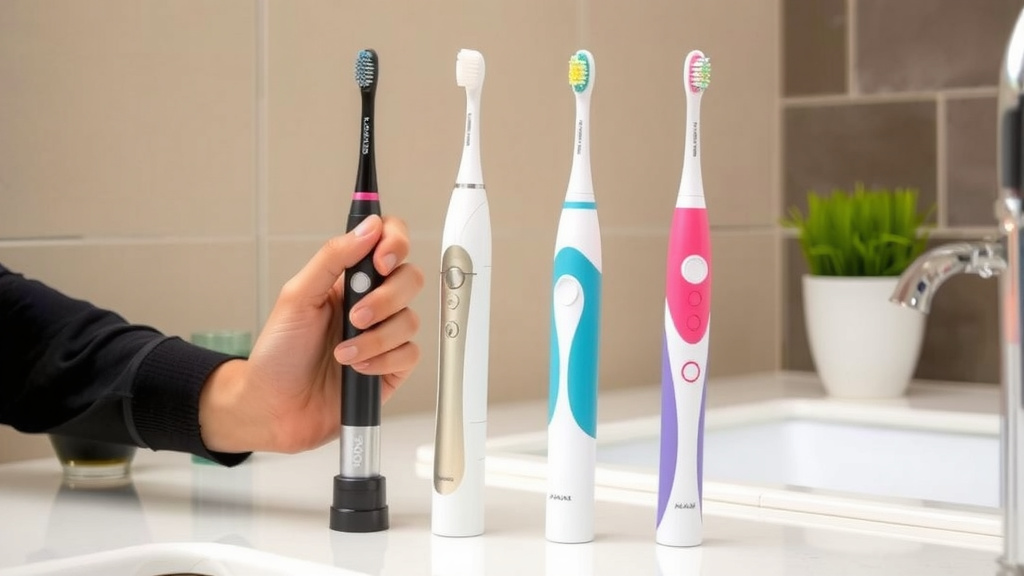
Electric toothbrushes come in a few main varieties. You have oscillating-rotating brushes, which spin back and forth. Then there are sonic toothbrushes, which vibrate at a very high speed. Both use power to move the brush head rapidly. This high-speed motion is key to their effectiveness.
The Power of Plaque Removal
Multiple studies have found that electric toothbrushes, particularly the oscillating-rotating kind, are better at removing plaque. One review of studies showed they can remove up to 21% more plaque than manual brushes (Cochrane Database of Systematic Reviews). This is a significant amount. Less plaque means a lower risk of cavities and gum disease.
Gentle on Gums?
What about your gums? Receding gums and gum inflammation are common concerns. Research suggests that electric toothbrushes may also be better at reducing gingivitis, which is inflammation of the gums. One analysis of studies found a reduction in gingivitis by up to 11% with electric brushes compared to manual ones (Cochrane Database of Systematic Reviews). This is great news for gum health.
Consistent Strokes for Better Results
One of the biggest benefits of an electric toothbrush is consistency. It does the hard work for you. You simply guide the brush head along your teeth. This reduces the chance of missed spots or inconsistent pressure. You might be surprised how much pressure you apply with a manual brush without realizing it.
Mastering the Manual: Still a Great Option
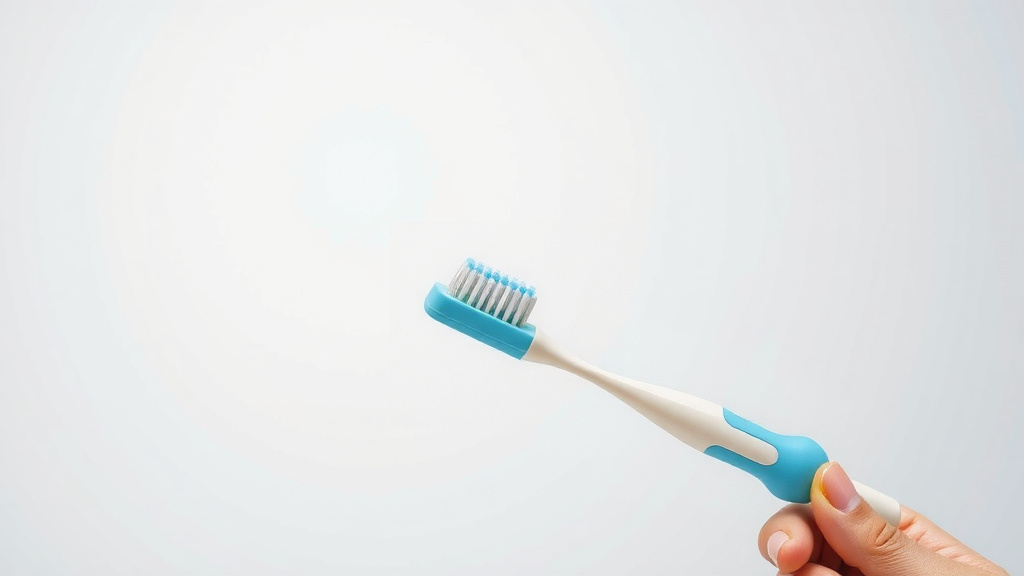
Now, let’s talk about your reliable manual toothbrush. Can it stack up? Absolutely! The effectiveness of a manual brush depends heavily on your technique. If you’re a diligent brusher, you can achieve excellent results.
The Technique Matters Most
Experts recommend a specific way to brush with a manual toothbrush. You want to hold the brush at a 45-degree angle to your gum line. Then, use short, gentle back-and-forth strokes. You should also use small circular motions. Many people tend to scrub too hard or use long, sweeping strokes. This less effective technique can actually harm your gums.
What Research Says About Manual Brushes
While electric brushes often win in head-to-head comparisons, don’t underestimate the manual brush. When used correctly, a manual toothbrush can be just as effective at removing plaque and preventing gum disease. It just requires more conscious effort and skill from you. The American Dental Association (ADA) states that both types of toothbrushes can be effective if used properly.
Comparing the Features: A Quick Look
Let’s break down some key differences you’ll find. This might help you see which type fits your lifestyle better. Think about what’s important to you in your daily routine.
| Feature | Electric Toothbrush | Manual Toothbrush |
|---|---|---|
| Plaque Removal | Generally superior, especially oscillating-rotating models. | Effective with proper technique. |
| Gum Health | Often better at reducing gingivitis. | Can be effective, but technique is critical. |
| Ease of Use | Requires less technique, more automated. | Requires good manual dexterity and technique. |
| Cost | Higher initial cost; replacement heads add ongoing expense. | Low initial cost; affordable replacement brushes. |
| Portability | Can be bulkier, requires charging or batteries. | Lightweight, no power needed, easy to pack. |
| Features | Timers, pressure sensors, different modes. | Basic cleaning tool. |
Who Benefits Most from Electric Toothbrushes?
Certain individuals often find electric toothbrushes to be a game-changer for their oral hygiene. If you struggle with dexterity, an electric brush can be a lifesaver. This includes people with arthritis, carpal tunnel syndrome, or other conditions that affect their hands. The powered motion does the work for them.
Children can also benefit. They might find the fun features and vibrations of an electric toothbrush more engaging. This can help establish good brushing habits early on. Plus, the consistent cleaning action can help make up for less-than-perfect technique. Parents often report their kids brush longer with electric models.
Making Your Choice: What’s Right for You?
Ultimately, the best toothbrush is the one you will use consistently and correctly. If you love your manual brush and are confident in your technique, you can absolutely maintain a healthy smile. It’s about thoroughness and consistency. Don’t underestimate the power of a good manual brushing session!
However, if you’re looking for a little extra help or find yourself rushing through brushing, an electric toothbrush might be a worthwhile investment. The ease of use and the superior plaque removal can lead to noticeably cleaner teeth and healthier gums. Many dentists recommend them for a reason.
Consider your personal preferences and any physical challenges you might have. Your budget is also a factor. Think about which brush will make you excited to brush twice a day. That enthusiasm is a big part of achieving great oral health.
Tips for Maximizing Your Brushing Effectiveness
No matter which type of brush you choose, follow these tips for the best results:
- Brush for at least two minutes, twice a day.
- Pay attention to all surfaces of your teeth.
- Don’t forget to brush your tongue!
- Replace your toothbrush head or brush every 3-4 months.
- Use fluoride toothpaste for maximum cavity protection.
- Visit your dentist regularly for check-ups and cleanings.
Conclusion
You’ve learned that electric toothbrushes often offer an edge in plaque removal and gum health, thanks to their consistent power. However, your trusty manual brush can still provide excellent results with the right technique and diligent effort. The most important factor is finding a brush you’ll use correctly and consistently, twice a day, for at least two minutes.
Consider your personal habits, any dexterity challenges, and what makes brushing feel like a chore versus a routine. If you’re looking to boost your oral hygiene or simplify your routine, an electric toothbrush might be a smart investment. If you’re happy with your manual brush and technique, keep up the great work! Your next step? Commit to your chosen brushing method and see the difference it makes for your smile.
Frequently Asked Questions
Can a manual toothbrush really be as effective as an electric one?
Yes, a manual toothbrush can be just as effective as an electric one if you use proper brushing technique. This means holding the brush at a 45-degree angle to the gum line and using short, gentle strokes. Research shows that with the right approach, you can effectively remove plaque and maintain gum health.
Are electric toothbrushes better for people with limited hand mobility?
Absolutely. Electric toothbrushes require much less manual dexterity because the brush head does most of the work. Studies and anecdotal evidence suggest they are particularly beneficial for individuals with conditions like arthritis or carpal tunnel syndrome. The powered motion helps ensure a thorough clean even with reduced hand movement.
Which type of electric toothbrush is best for plaque removal?
Research often points to oscillating-rotating electric toothbrushes as being slightly superior for plaque removal compared to sonic models. Both types offer significant advantages over manual brushes for most people. Many dentists recommend oscillating-rotating models for their proven effectiveness in reducing plaque buildup.
How often should I replace my toothbrush head or manual brush?
You should replace your toothbrush head (for electric brushes) or your entire manual toothbrush every 3 to 4 months. It’s also a good idea to replace it sooner if the bristles become frayed or worn. Worn bristles are less effective at cleaning your teeth and can even damage your gums.
Will switching to an electric toothbrush hurt my gums if I’m used to a manual one?
Generally, no. Electric toothbrushes, especially those with pressure sensors, are designed to be gentle on your gums. In fact, research suggests they can be *better* at reducing gum inflammation (gingivitis) than manual brushes when used correctly. Always follow the manufacturer’s instructions and start with gentle pressure.