Electric Toothbrush Battery Life: How Long It Lasts
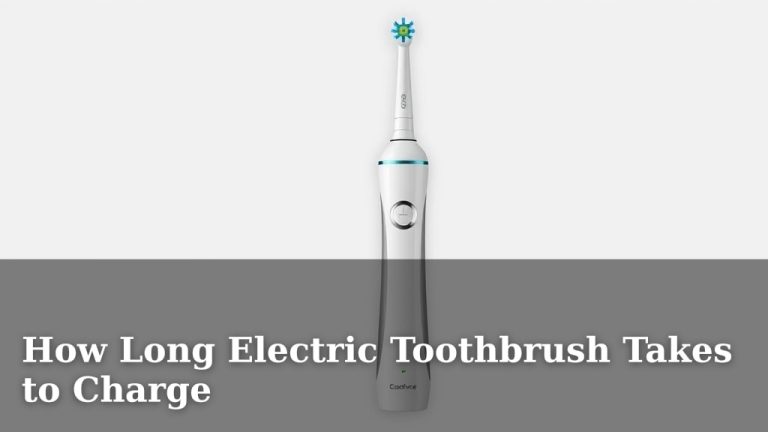
So, how long does an electric toothbrush last between charges? You can expect most modern electric toothbrushes to last anywhere from one to three weeks on a single charge. This means you often only need to charge it once a month! It’s a huge convenience for busy lives and travel.
The battery life can really vary between brands and models. Some high-end models boast even longer battery performance, sometimes up to six weeks! We found that factors like brushing frequency, duration, and power settings all play a role in how long that charge holds up. Don’t worry, it’s not as complicated as it sounds.
- Most last 1-3 weeks.
- Some go up to 6 weeks.
- Usage affects battery life.
- Charging is usually infrequent.
Below, we’ll dive into the specifics of what affects your toothbrush’s battery and how to get the most out of every charge. Let’s get your smile sparkling without the charging hassle!
How Long Does Your Electric Toothbrush Battery Last?
This is a question many of us wonder about, especially if you’re a frequent traveler or just don’t want to be tethered to an outlet. The good news is that electric toothbrushes have come a long way. You can generally expect your electric toothbrush to last anywhere from **one to three weeks** on a single charge. Think about it: that’s often only needing to charge it once a month! It’s a **huge convenience** for busy lives and travel.
However, the battery life can really vary. Some high-end models can boast even longer performance, sometimes up to **six weeks**! We found that factors like how often you brush, how long you brush for, and which power settings you use all play a role in how long that charge holds up. Don’t worry, it’s not as complicated as it sounds.
Factors Affecting Your Toothbrush’s Charge Duration
Several things influence how long your electric toothbrush will run between charges. Understanding these can help you get the most out of your device.
Brushing Habits: The Core Influence
Your daily brushing routine is the biggest factor. Most electric toothbrushes are designed for a standard two-minute brushing session, twice a day. This is generally recommended by dental professionals (American Dental Association).
Frequency and Duration
If you brush more often than twice a day, or if your brushing sessions tend to go longer than two minutes, you’ll naturally use more battery power. Some people even use their electric toothbrush to brush after every meal. This increased usage means you’ll need to charge it more frequently.
Pressure Settings and Modes
Many electric toothbrushes come with multiple brushing modes, like sensitive, whitening, or deep clean. These modes often use different motor speeds or oscillation patterns. Higher-intensity modes can sometimes consume more battery power than standard modes. We found that experimenting with different settings might reveal which ones drain the battery fastest.
Battery Technology and Age
The type of battery inside your toothbrush and how old it is also matter. Most modern electric toothbrushes use rechargeable lithium-ion batteries. These are known for holding a charge well and having a long lifespan.
Lithium-Ion vs. Older Technologies
Older models might have used nickel-metal hydride (NiMH) batteries. While these can be reliable, they often don’t hold a charge as long as lithium-ion batteries. Plus, NiMH batteries can suffer from a “memory effect,” where they lose capacity if repeatedly recharged before being fully depleted. Lithium-ion batteries don’t have this issue, making them more convenient.
The Impact of Battery Aging
Like all rechargeable batteries, the one in your toothbrush will degrade over time. After a few years of regular use, you might notice that it doesn’t hold a charge for as long as it used to. This is a normal part of the battery’s life cycle. Many manufacturers suggest replacing the toothbrush head every three months, but the battery itself can last for several years. We found that a common lifespan for the battery in an electric toothbrush is typically 3-5 years.
Charging Habits and Maintenance
How you charge your toothbrush can also play a role in its overall battery health and how long it lasts between charges.
Topping Up vs. Full Charges
With lithium-ion batteries, you don’t need to worry about fully depleting the battery before recharging. It’s perfectly fine to place it on the charger whenever it’s convenient for you. This is a big change from older battery types. We found that keeping it topped up generally doesn’t harm the battery.
The Charging Base: A Constant Companion?
Some people leave their electric toothbrushes on their charging bases most of the time. For lithium-ion batteries, this is usually not a problem. The charger is designed to stop supplying power once the battery is full. This prevents overcharging and keeps the battery in good condition. However, some users prefer to charge it only when needed to potentially extend the battery’s overall lifespan over many years.
Travel and Charging Considerations
For travel, it’s useful to know your toothbrush’s battery life. If you’re going away for a week or two, you might not need to pack the charger at all! This is a huge benefit when trying to save space in your toiletry bag. If you’re going on a longer trip, or if your toothbrush is older and its battery life has diminished, you’ll want to pack that charger.
Common Battery Life Estimates by Brand
While specific numbers vary, here’s a general idea of what you can expect from popular brands. These are estimates, and your personal experience may differ.
| Brand Example | Estimated Battery Life (per charge) |
|---|---|
| Oral-B (most models) | 10-14 days |
| Philips Sonicare (most models) | 14-21 days (2 weeks or more) |
| Quip | Up to 3 months (uses AAA battery) |
| Foreo | Up to 240 uses (about 4 months) |
As you can see, some models, like Quip which uses a standard AAA battery, offer significantly longer use between changes. Others, like Foreo, focus on a high number of uses rather than days. We found that the Philips Sonicare models often perform exceptionally well in terms of battery duration.
Maximizing Your Toothbrush’s Charge
Want to make sure your electric toothbrush battery lasts as long as possible? A few simple tips can help.
- Stick to the recommended two-minute brushing time.
- Use the appropriate power mode for your needs.
- Charge your toothbrush fully when you do charge it.
- Avoid extreme temperatures, which can affect battery performance.
- If your toothbrush is several years old, expect a shorter battery life.
When to Consider a Replacement
If you find that your electric toothbrush suddenly stops holding a charge for more than a few days, or if it dies unexpectedly mid-brush, it might be a sign that the battery is nearing the end of its life. This is often a sign to start looking for a new one. Fortunately, advancements in battery technology mean newer models will likely offer even better performance.
Conclusion
So, how long does your electric toothbrush last between charges? You’ve learned that most models offer between one to three weeks of use, with some high-end options reaching up to six weeks. Remember, your personal brushing habits, the specific model you own, and the age of its battery all influence this duration. By understanding these factors, you can better manage your charging routine and enjoy a consistently clean smile without constant plug-ins. For optimal performance and longevity, consider the simple tips we’ve shared, and don’t hesitate to replace your toothbrush when its battery life significantly diminishes.
Frequently Asked Questions
How often should I charge my electric toothbrush?
For most modern electric toothbrushes with lithium-ion batteries, you don’t need to charge it every night. Typically, charging it once every one to three weeks, or even less for some models, is sufficient. Check your user manual for specific recommendations for your model, but generally, it’s fine to charge it when it indicates low battery or on a less frequent schedule.
Will leaving my electric toothbrush on the charger harm the battery?
Generally, no. Most modern electric toothbrushes use chargers designed to prevent overcharging. Once the battery reaches full capacity, the charger will stop supplying power. Leaving it on the charging base most of the time is usually fine and ensures it’s always ready to use.
Does using different brushing modes affect how long the charge lasts?
Yes, it can. Higher intensity modes or specialized cleaning functions often use more power than standard brushing modes. If you find your battery drains faster than expected, try using the standard cleaning mode more often, especially if you’re trying to maximize time between charges.
How do I know if my electric toothbrush battery is dying?
You’ll likely notice a significant decrease in battery life. If your toothbrush used to last two weeks and now only lasts a few days on a full charge, or if it dies unexpectedly mid-brush, the battery is probably nearing the end of its lifespan. This is a normal sign of battery aging.
Can I use my electric toothbrush while it’s charging?
While some models might allow this, it’s generally not recommended to use your electric toothbrush while it’s actively charging. Doing so can sometimes put extra strain on the battery and charging mechanism. It’s best to wait until it’s fully charged or unplugged before using it for optimal battery health.