Oral-B vs Sonicare: Which Electric Toothbrush Wins
Choosing between an Oral-B electric toothbrush and a Sonicare electric toothbrush often comes down to your personal preference for cleaning action. While both brands offer excellent plaque removal, Oral-B typically uses a round, oscillating head for a scrubbing feel, whereas Sonicare employs a high-speed sonic vibration for a gentler, sweeping motion. Both are fantastic choices for improving your oral hygiene.
When you’re trying to decide which electric toothbrush is right for you, it’s helpful to know how they differ in their cleaning technology and user experience. We found that Oral-B’s rotating-oscillating action can feel more intense for some, while Sonicare’s vibrating brush head is often preferred by those with sensitive gums. Many dental professionals agree that both deliver superior results compared to manual brushing.
- Oral-B: Round head, oscillating-rotating action, often feels more intense.
- Sonicare: Oval head, high-speed sonic vibrations, often feels gentler.
- Both provide superior plaque removal over manual toothbrushes.
- Your choice depends on cleaning feel and gum sensitivity.
We’re here to help you make the best choice for your smile. Let’s dive into a detailed comparison of Oral-B and Sonicare electric toothbrushes to see which one might be your perfect match.
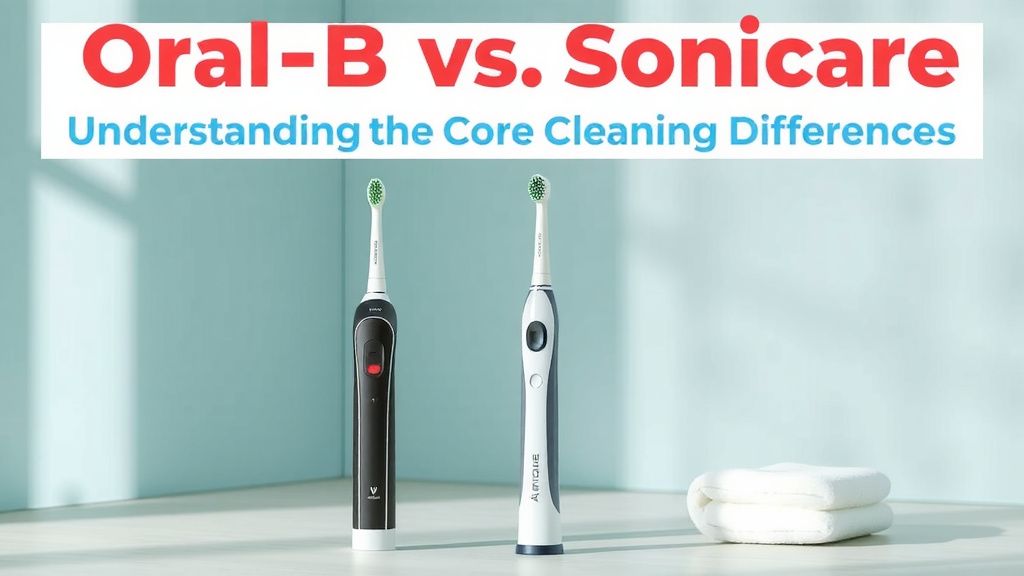
Oral-B vs. Sonicare: Understanding the Core Cleaning Differences
When you’re standing in the aisle, faced with two top-tier electric toothbrush brands, it’s natural to wonder about the real differences. We found that the main distinction boils down to how they move the bristles. This core difference affects the sensation you feel and the way plaque is swept away.
Oral-B’s Oscillating-Rotating Technology
Oral-B’s signature cleaning action involves a small, round brush head. This head oscillates (moves back and forth) and rotates (spins in a circle). Think of it like a tiny, powerful scrubber for each tooth. This method is designed to cup each tooth individually. It works to break up plaque very effectively. Many users describe this feeling as a deep, thorough clean.
How it Works on Plaque
The rapid back-and-forth and spinning motions are powerful. They physically dislodge plaque from tooth surfaces and along the gumline. Research and guidelines from dental associations often highlight this type of mechanical cleaning for excellent plaque removal. It’s a very direct approach to cleaning your teeth.
Sonicare’s Sonic Vibration Technology
Sonicare, on the other hand, uses a different approach. Its brush heads are typically more elongated, similar to a manual toothbrush. They vibrate at a very high speed – hundreds of times per second. This creates a dynamic cleaning action. It pushes fluid and toothpaste into hard-to-reach areas between teeth and below the gumline.
The Power of Vibration
The high-speed vibrations create sweeping motions with the bristles. This action is often described as gentler than Oral-B’s scrubbing. It can be particularly beneficial if you have sensitive gums. Many users find this method feels less abrasive. It still manages to disrupt and remove plaque effectively, just in a different way.
User Experience and Comfort: What to Expect
Beyond the core technology, how a toothbrush feels in your hand and in your mouth matters. We looked at common feedback regarding user experience and comfort. This can be a deciding factor for many people.
The Sensation of Brushing
Oral-B’s oscillating-rotating heads can sometimes feel more intense. Some people love this powerful sensation, feeling like their teeth are getting a really vigorous clean. Others might find it a bit too much, especially at first. It can take a little getting used to if you’re switching from a manual brush or a gentler electric option.
Sonicare’s high-frequency vibrations tend to feel smoother and less aggressive. The sweeping motion is designed to be comfortable. Many people with sensitive gums or receding gumlines prefer this feeling. It’s like a gentle but persistent massage for your teeth and gums. This makes your daily brushing routine more pleasant.
Brush Head Design and Reach
Oral-B’s small, round heads are excellent for targeting individual teeth. They can easily get around molars and other tight spots. The design is specifically engineered to cup each tooth. This ensures thorough coverage on all surfaces.
Sonicare’s more traditional-shaped heads offer a wider brushing surface. This can feel more familiar if you’re used to manual brushing. They are also designed to reach effectively. The sonic vibrations help drive the cleaning action even into areas that are harder to access directly.
Features and Functionality Comparison
Both Oral-B and Sonicare offer a range of models with various features. We examined some common functionalities that might influence your decision.
Smart Features and App Connectivity
Many higher-end models from both brands offer smart features. These often include pressure sensors to alert you if you’re brushing too hard. Some models connect to smartphone apps. These apps can track your brushing habits, provide real-time feedback, and guide you through your routine. This helps you improve your technique over time.
Pressure Sensors: A Key Tool
A pressure sensor is a really useful feature for everyone. Brushing too hard can damage your enamel and gums. Both Oral-B and Sonicare have models with these sensors. They typically light up or change vibration when you apply too much force. This is a lifesaver for preventing gum recession (Cleveland Clinic).
Brushing Modes and Intensity Settings
You’ll find various brushing modes on many electric toothbrushes. These can include settings for daily clean, sensitive, gum care, whitening, and deep clean. The number of modes varies by model and brand. Oral-B models might offer different oscillation patterns, while Sonicare might adjust vibration intensity. This allows you to customize your brushing experience.
Which Toothbrush is Right For Your Smile? A Quick Checklist
Deciding between Oral-B and Sonicare can be straightforward when you consider your personal needs. Here’s a quick way to think about it:
- Do you prefer a scrubbing sensation or a gentler vibration?
- Are you concerned about sensitive gums?
- Do you want to target each tooth individually?
- Is a familiar brushing shape important to you?
- Are advanced smart features a priority?
Ultimately, both brands are excellent choices for improving your oral hygiene. We found that making a decision often comes down to which brushing sensation you prefer and what feels most comfortable for your mouth. Consulting with your dentist can also offer personalized advice based on your specific oral health needs.
Conclusion
You’ve seen how Oral-B and Sonicare electric toothbrushes offer distinct cleaning experiences. Oral-B’s oscillating-rotating head provides a powerful, tooth-by-tooth scrub. Sonicare’s high-speed vibrations offer a gentler, sweeping clean that reaches deep. Both are proven effective at plaque removal, and your best choice truly depends on your personal preference for brushing sensation and any gum sensitivity you might have. To make your final decision, consider what feels most comfortable and effective for your daily routine.
Frequently Asked Questions
Which toothbrush is better for sensitive gums?
Sonicare is often recommended for sensitive gums. Its high-speed sonic vibrations create a gentler sweeping motion. Many users find this less abrasive than Oral-B’s oscillating-rotating action. It can still effectively remove plaque without irritating sensitive areas.
Can I switch between Oral-B and Sonicare heads?
No, you cannot. Oral-B and Sonicare brush heads are designed for their specific toothbrush models. Their connections and sizes are different. You must use the correct brush head designed for your brand of electric toothbrush.
Are Oral-B’s smart features as good as Sonicare’s?
Both brands offer excellent smart features on their higher-end models. You can find pressure sensors, app connectivity for tracking, and guided brushing routines from both Oral-B and Sonicare. The quality is comparable; it depends on the specific model you choose within each brand.
How often should I replace my electric toothbrush head?
You should replace your electric toothbrush head approximately every three months. Worn-out bristles are less effective at cleaning. They can also harbor bacteria. Many apps will remind you when it’s time for a replacement.
Does the price difference reflect the performance?
The price difference often reflects advanced features like multiple brushing modes, smart connectivity, and premium materials. Both Oral-B and Sonicare’s entry-level models perform exceptionally well at basic cleaning. You can achieve great results without always choosing the most expensive option.