Oral B Electric vs Manual Toothbrush: Which is Better
When comparing an Oral-B electric toothbrush versus a manual one, the electric toothbrush generally provides a superior clean. Research and user reviews consistently show that electric models, especially those with oscillating-rotating heads like many Oral-B options, are more effective at removing plaque and can lead to better long-term oral health. This is largely due to their powered brushing action which does much of the work for you.
While a manual toothbrush can get the job done with proper technique, electric toothbrushes often make it easier to achieve a thorough clean. They can be especially helpful for people who have trouble with manual dexterity or those who want to ensure they are brushing effectively. Many Oral-B electric models also come with built-in timers and pressure sensors to guide your brushing habits.
- Electric toothbrushes usually offer a better clean than manual ones.
- They are more effective at removing plaque.
- Many Oral-B electric brushes have helpful features like timers and pressure sensors.
- They can make achieving a good clean easier for everyone.
Let’s break down the key differences between Oral-B electric toothbrushes and their manual counterparts to help you decide which is best for your smile.
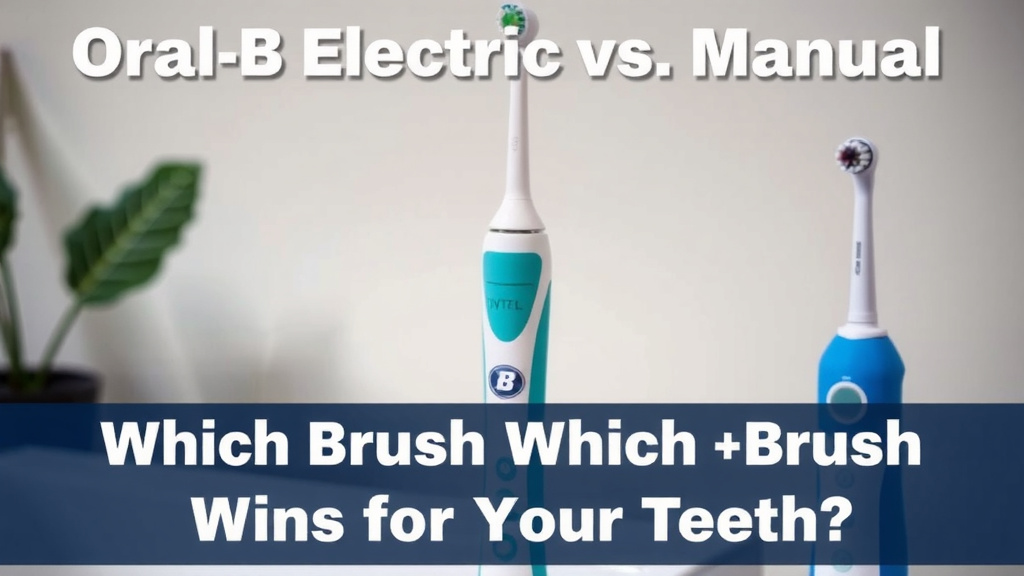
Oral-B Electric vs. Manual: Which Brush Wins for Your Teeth?
Choosing between an Oral-B electric toothbrush and a manual one is a common dilemma. Both can clean your teeth. But one often does a much better job. We found that electric toothbrushes generally offer a more consistent and effective clean. This can make a big difference for your oral health over time.
The Power of the Electric Brush Head
Let’s talk about the heart of the matter: the brush head. Oral-B electric toothbrushes, especially their oscillating-rotating models, use a powerful motor. This motor makes the brush head move rapidly. It oscillates and rotates hundreds, even thousands, of times per minute. This action is designed to sweep away plaque and food particles efficiently.
Oscillating-Rotating Action
Many Oral-B electric brushes feature this unique oscillating-rotating technology. The small, round brush heads are designed to cup each tooth. This allows them to reach all surfaces easily. Research from sources like the American Dental Association (ADA) suggests that this type of powered action is better at removing plaque than manual brushing alone.
Different Brush Head Types
Oral-B offers various brush head designs. Some are shaped for deep cleaning. Others focus on polishing or gum care. You can often swap these out on your electric toothbrush handle. This means you can customize your brushing experience. A manual brush, of course, has one static head shape.
Ease of Use and Technique
One of the biggest advantages of an electric toothbrush is how much easier it is to use correctly. You don’t need perfect brushing technique. The toothbrush does most of the work for you.
Less Effort Required
With a manual brush, you have to move it in precise motions. You need to ensure you’re brushing every surface effectively. This requires a good deal of coordination and focus. An electric toothbrush, on the other hand, just needs to be guided. You simply place the brush head on each tooth. The brush’s power does the scrubbing. This can be a huge help for busy mornings or when you’re feeling tired.
Built-in Guidance Features
Oral-B has really thought about making brushing better. Many of their electric models come with helpful features. These can guide your brushing. For example, a built-in two-minute timer is common. It often pulses every 30 seconds. This reminds you to move to a different quadrant of your mouth. Some models also include pressure sensors. These alert you if you’re brushing too hard. This is important because aggressive brushing can damage your gums and enamel.
Cost Comparison Over Time
When you first look at the price tag, electric toothbrushes are more expensive. However, let’s consider the long-term costs. A manual toothbrush is cheap to buy initially. But you need to replace it every three to four months. Electric toothbrush handles are an upfront investment. But you only need to replace the brush heads. These also need changing every three to four months. Over several years, the cost difference might not be as drastic as you think.
| Item | Manual Toothbrush (Replace every 4 months) |
Oral-B Electric Toothbrush (Handle + 6 replacement heads) |
|---|---|---|
| Initial Cost | $5 – $10 | $40 – $150+ (for handle) |
| Replacement Cost (3 Years) | $25 – $45 (for 9 brushes) | $30 – $60 (for 6-9 heads) |
| Total Estimated Cost | $30 – $55 | $70 – $210+ |
Note: Prices are estimates and vary widely by brand, model, and retailer.
The Value of Better Cleaning
While the initial cost of an electric toothbrush can be higher, many users find the investment worthwhile. The superior plaque removal can lead to fewer dental issues down the line. This might mean fewer cavities or less gum disease. Fewer dental problems could translate to lower dental bills in the long run. This is a key factor to consider when looking at the overall value.
Who Benefits Most from Electric?
Electric toothbrushes aren’t just for people who want a fancy gadget. They offer real benefits for many people. If you have conditions that affect your dexterity, like arthritis, an electric brush can be a lifesaver for your oral hygiene. It makes brushing much more manageable.
For Those with Physical Challenges
People who have difficulty gripping or controlling manual toothbrushes often find electric options make a world of difference. The powered motion does the heavy lifting. You just need to guide it. This ensures a thorough clean even with limited mobility.
Kids and Brushing Habits
Electric toothbrushes can also be great for kids. Many Oral-B electric models come with fun designs or apps. These can make brushing feel like a game. This helps them develop good habits early on. The timers can also teach them to brush for the recommended two minutes.
Making the Final Choice for Your Smile
Ultimately, the best toothbrush is the one you’ll use consistently and correctly. Both electric and manual brushes can clean your teeth. However, research and dental professional opinions lean towards electric toothbrushes for their effectiveness. They often make it easier for you to achieve a dentist-level clean at home.
Consider Your Personal Needs
Think about your budget, your manual dexterity, and how much effort you want to put into brushing. If you struggle with technique or want to ensure maximum plaque removal, an Oral-B electric toothbrush is likely your best bet. If you’re on a very tight budget and have excellent brushing form, a manual brush can still work well.
Here’s a quick checklist to help you decide:
- Does your budget allow for an initial investment in an electric toothbrush handle?
- Do you find it difficult to maintain proper brushing technique with a manual brush?
- Are you looking for features like timers or pressure sensors?
- Do you have any physical limitations that make manual brushing challenging?
- Do you want to ensure you are removing as much plaque as possible?
- Are you open to replacing brush heads every 3-4 months?
Conclusion
Ultimately, while a manual toothbrush can clean your teeth, Oral-B electric toothbrushes often make it much easier to achieve a superior clean. Their powered brushing action, advanced head designs, and helpful built-in features like timers and pressure sensors can significantly reduce plaque and improve your oral health. If you’re looking for a more consistent and effective way to care for your smile, and your budget allows for the initial investment, upgrading to an Oral-B electric toothbrush is a smart move. Your dentist will thank you for it!
Frequently Asked Questions
Are Oral-B electric toothbrushes really worth the extra cost compared to manual ones?
Research and user experiences often show that the enhanced plaque removal from an Oral-B electric toothbrush can lead to better oral health over time. While the upfront cost is higher, the potential for fewer dental issues down the road can make it a worthwhile investment for your long-term dental well-being.
How often should I replace the brush heads on my Oral-B electric toothbrush?
Just like manual toothbrushes, Oral-B electric brush heads should be replaced every three to four months. This ensures they remain effective at cleaning and don’t harbor bacteria. Many Oral-B models even have indicators to remind you when it’s time for a fresh head.
Can an electric toothbrush hurt my gums if I brush too hard?
Most modern Oral-B electric toothbrushes come equipped with pressure sensors that alert you if you’re applying too much force. This feature helps prevent gum damage and enamel wear that can occur from aggressive brushing with either a manual or electric toothbrush.
Is an electric toothbrush better for people with braces?
Yes, electric toothbrushes, especially those with smaller, oscillating-rotating heads, can be very effective for cleaning around braces. They can reach nooks and crannies that manual brushes might miss, helping to remove plaque and food debris more efficiently.
Will switching to an Oral-B electric toothbrush immediately improve my oral hygiene?
While you’ll likely notice a difference in how clean your teeth feel right away, significant improvements in oral hygiene take consistent use. By using your Oral-B electric toothbrush correctly twice a day, you can expect to see reduced plaque buildup and healthier gums within a few weeks.