Electric Toothbrush Benefits: Whiter Teeth & Healthier Gums
Yes, electric toothbrushes offer noticeably better cleaning and can help you achieve healthier gums. Many dental professionals found they remove more plaque than manual brushes. This can lead to fewer cavities and a brighter smile.
Switching to an electric toothbrush is a simple way to upgrade your daily routine. You’ll likely notice a difference in how clean your teeth feel. Plus, they often come with helpful features like timers and pressure sensors to guide your brushing.
- Removes more plaque.
- Improves gum health.
- Easier to use correctly.
- Built-in timers help you brush longer.
Ready to see what an electric toothbrush can do for your smile? Let’s dive into the specific benefits you can expect.
Why Your Smile Will Thank You for an Electric Toothbrush
You might be wondering if an electric toothbrush is really worth the switch. Many people are. Research consistently shows that electric toothbrushes are more effective at cleaning your teeth. They can remove significantly more plaque than manual brushing. This is a big deal for your oral health.
Think of it this way: your manual toothbrush relies entirely on your technique. Even with the best intentions, it’s easy to miss spots or not brush long enough. Electric brushes do a lot of the hard work for you. They use rapid movements that are tough to replicate by hand. This means a deeper clean with less effort on your part.
Superior Plaque Removal: The Foundation of Good Oral Health
The primary benefit many users notice is the sheer amount of plaque removed. Plaque is that sticky film of bacteria that builds up on your teeth. If not removed, it leads to cavities and gum disease. Studies have found that electric toothbrushes, especially those with oscillating-rotating heads, can remove up to 21% more plaque than manual brushes over three months (Cochrane Database of Systematic Reviews).
How Electric Brushes Conquer Plaque
Electric toothbrushes come in a few main types. Oscillating-rotating brushes spin back and forth. Sonic brushes vibrate at very high speeds. Both methods create thousands of brush strokes per minute. This is far beyond what you can achieve manually. These rapid movements break up and sweep away plaque effectively.
Fewer Cavities and Healthier Gums
When plaque is removed more effectively, the result is a direct impact on your oral health. Less plaque means fewer opportunities for bacteria to produce acids that cause cavities. It also means less irritation to your gums. Many people find their gums bleed less after switching. This is a strong indicator of reduced gum inflammation.
Making Brushing Easier and More Effective
Let’s be honest, sometimes brushing can feel like a chore. It’s easy to rush through it. Electric toothbrushes often have features that guide you. This makes proper brushing technique much easier to achieve for everyone.
Built-in Timers: Brushing for the Right Amount of Time
Dentists recommend brushing for at least two minutes. Many electric toothbrushes have a two-minute timer. Some even have quadrant pacers. These signal you to move to a different section of your mouth every 30 seconds. This ensures you give each area adequate attention. You’ll be amazed at how much longer two minutes feels when you’re actually doing it right.
Pressure Sensors: Protecting Your Gums and Enamel
One of the most common mistakes people make with manual brushing is applying too much pressure. This can damage your gum tissue and wear down your tooth enamel. Many electric toothbrushes come equipped with pressure sensors. If you press too hard, the brush will alert you. It might vibrate differently, light up, or even stop pulsing. This feature is fantastic for protecting your delicate gums and preserving your enamel.
Ease of Use for All Ages and Abilities
Electric toothbrushes can be a game-changer for people with limited mobility. This includes individuals with arthritis, carpal tunnel syndrome, or other conditions affecting dexterity. The powered brush does most of the work. It requires less manual effort. This makes it easier for them to maintain good oral hygiene.
Children also benefit greatly from electric toothbrushes. The fun designs and vibrating action can make brushing more engaging for kids. It helps them develop good habits early on. Many models have apps that track brushing time and technique, turning it into a game.
A Brighter, Cleaner Feeling Smile
Beyond the health benefits, there’s the aesthetic appeal. A thorough clean often leads to a noticeably brighter smile. Coffee, tea, and red wine can stain your teeth over time. The superior plaque removal of an electric toothbrush can help reduce surface stains.
How it Contributes to Whiter Teeth
By more effectively removing the plaque and food debris that can dull your smile, electric brushes help. They polish your teeth gently. This can reveal a naturally brighter appearance. While not a replacement for professional whitening, consistent use contributes to a cleaner, more radiant smile.
Your Checklist for a Better Brushing Experience
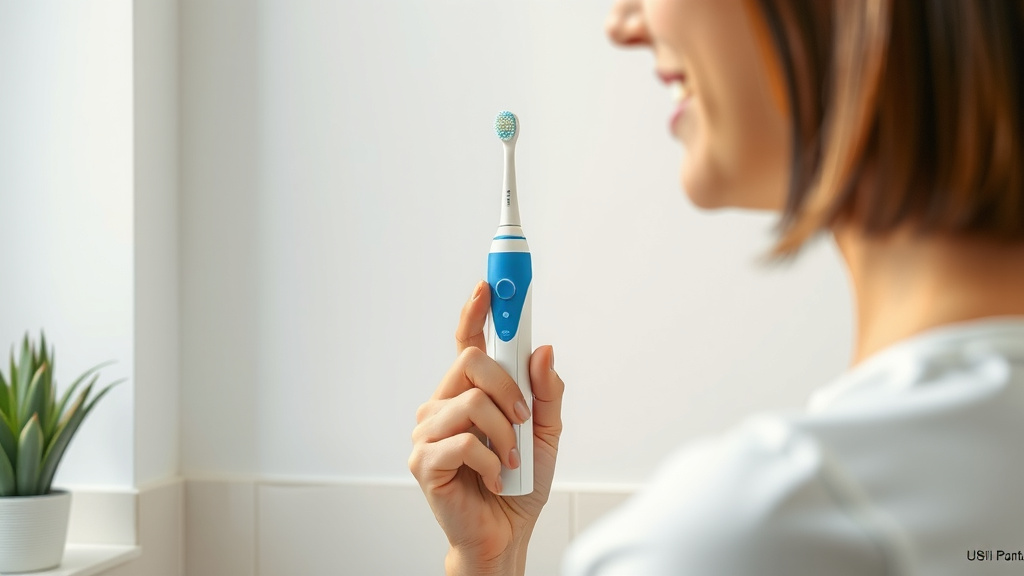
Ready to experience these benefits for yourself? Here’s a quick checklist to keep in mind:
- Look for oscillating-rotating or sonic technology.
- Prioritize models with built-in timers.
- Consider a pressure sensor for gum protection.
- Check for different brushing modes if you have specific needs.
- Ensure it’s comfortable to hold and use.
Comparing Electric vs. Manual: What the Experts Say
When comparing electric and manual toothbrushes, the evidence leans in favor of electric. Many dental organizations suggest them as a superior option for plaque removal and gingivitis prevention (American Dental Association).
| Feature | Electric Toothbrush | Manual Toothbrush |
|---|---|---|
| Plaque Removal | Significantly higher effectiveness. | Relies heavily on user technique. |
| Ease of Use | Requires less manual effort; often has guidance features. | Requires good technique and consistent effort. |
| Gum Health | Often leads to improved gum health due to better plaque removal and pressure sensors. | Risk of gum damage from over-brushing. |
| Cost | Higher initial cost, replacement heads needed. | Lower initial cost, needs replacement every 3-4 months. |
| Features | Timers, pressure sensors, multiple modes, app connectivity. | Basic cleaning tool. |
The investment in an electric toothbrush often pays off in the long run. You’re investing in preventative care. This can mean fewer expensive dental procedures down the line. Many find the feeling of a truly clean mouth after using an electric brush is motivation enough.
Conclusion
You’ve seen how switching to an electric toothbrush can truly benefit your oral health. They’re proven to remove more plaque than manual brushes, leading to fewer cavities and healthier gums. Features like timers and pressure sensors make it easier for you to brush correctly and protect your enamel. Even if you have dexterity challenges or are helping a child build good habits, an electric toothbrush simplifies effective cleaning. Ready to experience a cleaner, brighter smile? Consider making the switch today to invest in your long-term oral well-being.
Frequently Asked Questions
Are electric toothbrushes really better than manual ones?
Yes, research consistently shows that electric toothbrushes are more effective at removing plaque and reducing gingivitis. They achieve this through thousands of brush strokes per minute, which is hard to replicate with a manual brush. Many dental professionals recommend them for superior cleaning.
Can an electric toothbrush help with sensitive gums?
Absolutely. Many electric toothbrushes have pressure sensors that alert you if you’re brushing too hard. This feature helps protect your gums from damage and irritation. By guiding you to use the right amount of pressure, they can lead to a gentler yet more effective clean.
How long should I use an electric toothbrush each time?
Most dentists recommend brushing for at least two minutes. Many electric toothbrushes have built-in timers that ensure you brush for the full recommended duration. Some even have quadrant pacers to guide you through different sections of your mouth.
Are electric toothbrushes good for children?
Yes, electric toothbrushes can be very beneficial for children. They often make brushing more fun with engaging features and vibrations. Plus, they help kids develop proper brushing habits by doing much of the work for them. Many models offer apps that gamify brushing, encouraging consistent use.
How often should I replace the brush head on an electric toothbrush?
You should replace the brush head on your electric toothbrush typically every three to four months, or sooner if the bristles become frayed. Worn-out bristles are less effective at cleaning and can even harm your gums. Replacing the head regularly ensures you get the best cleaning performance.