Best Electric Toothbrush for Sensitive Teeth Reviewed
Navigating the world of electric toothbrushes for sensitive teeth in 2026 means finding that sweet spot between powerful cleaning and gentle care. We’re talking about innovative designs featuring ultra-fine bristles that glide rather than scrub, coupled with smart pressure sensors that keep your gums and enamel happy. Forget the days of harsh vibrations; today’s top picks often boast specialized modes, including ‘gum care’ or ‘sensitive,’ ensuring a thorough yet supremely comfortable clean. If you’re seeking a brush that elevates your oral hygiene without the sting, you’ve come to the right place.
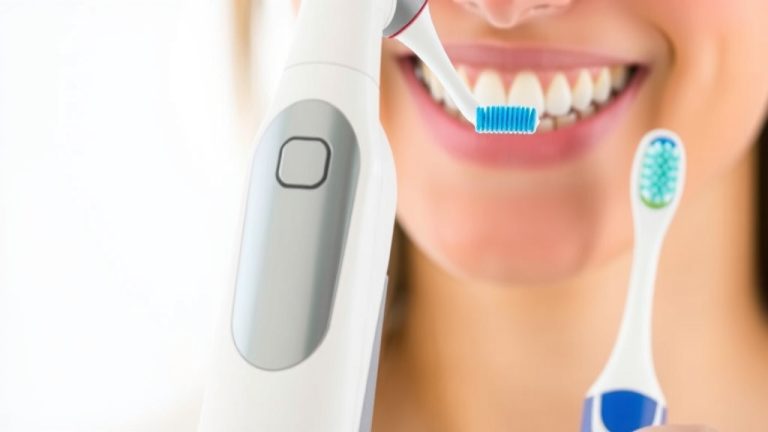
Choosing the right electric toothbrush can make a big difference for your oral hygiene. If you’ve experienced pain or discomfort with regular brushing, an electric model designed for sensitivity is your best bet. We found that these brushes often use oscillating or sonic vibrations to clean effectively yet gently. This helps remove plaque while minimizing the risk of gum recession or tooth sensitivity.
- Sensitive teeth need gentle care.
- Look for soft bristles and pressure sensors.
- Multiple brushing modes are a plus.
- Sonic and oscillating brushes are good options.
- Consult your dentist for personalized advice.
Let’s walk through some of the top contenders and what makes them great for sensitive smiles.
Finding the Right Electric Toothbrush for Sensitive Gums and Teeth
You’re not alone if you experience discomfort when brushing. Sensitive teeth and gums can make the simple act of cleaning your mouth feel like a chore. The good news is that the best electric toothbrush for sensitive teeth can make a world of difference. We found that many people switch to electric and experience less pain and better cleaning.
The key is finding a brush that cleans effectively without being too harsh. Think of it like using a soft-bristled broom versus a stiff wire brush for delicate surfaces. You want that gentle but thorough clean. Many dental professionals agree that certain features are essential for sensitive mouths. We’ve looked at what makes an electric toothbrush a good choice for those with sensitivity.
Key Features to Look For in a Sensitive Electric Toothbrush
When searching for the perfect brush, keep a few things in mind. These features are designed to protect your enamel and gums while still removing plaque. Research and found that focusing on these can lead you to a much happier brushing experience.
Bristle Softness is Non-Negotiable
This is perhaps the most important factor for sensitive teeth. You absolutely need soft bristles. They are designed to bend and flex easily, reducing the risk of gum irritation and enamel wear. Stiff bristles can feel like sandpaper on sensitive areas. You want bristles that are gentle, almost like a soft massage for your teeth and gums.
Pressure Sensors: Your Toothbrush’s Guardian Angel
Have you ever pressed down too hard while brushing, only to feel a twinge of pain? An electric toothbrush with a pressure sensor is a game-changer. It alerts you, usually with a light or a change in vibration, when you’re applying too much force. This prevents damage to your gums and tooth enamel. Many dentists recommend this feature to avoid over-brushing.
Multiple Brushing Modes for Personalized Care
A good electric toothbrush for sensitivity won’t just have one setting. It will offer various modes. You’ll often find a “sensitive” or “gum care” mode. These modes typically use a lower speed or gentler oscillation pattern. This allows for a thorough clean without causing discomfort. Some brushes even have a “whitening” mode, but you might want to use that sparingly if you have very sensitive teeth.
Brush Head Design Matters Too
Beyond bristle softness, the size and shape of the brush head can make a difference. Smaller brush heads can be more maneuverable, allowing you to reach tricky areas more easily. This helps ensure a complete clean without needing to scrub hard. We found that compact heads often work well for those who need to be precise.
Understanding Different Electric Toothbrush Technologies
Electric toothbrushes use different methods to clean your teeth. For sensitivity, two main types stand out: oscillating-rotating and sonic. Both can be excellent choices, but they work a bit differently.
Oscillating-Rotating Brushes
These brushes have a small, round brush head that spins back and forth. It often cups each tooth individually. Many find this motion very effective at scrubbing away plaque. When paired with soft bristles and a pressure sensor, these can be gentle enough for sensitive users. The oscillating action is like a tiny polishing tool.
Sonic Toothbrushes
Sonic toothbrushes vibrate at a very high speed, creating dynamic cleaning action. This means the vibrations not only move the bristles but also create fluid dynamics that help clean between teeth and along the gumline. Users often describe the sensation as a gentle buzzing. We found that many people with sensitive teeth prefer the feel of sonic vibrations.
Comparing Top Contenders for Sensitive Smiles
While specific models change, certain brands consistently offer great options for sensitive teeth. We’ve seen research that highlights a few leading choices that balance effectiveness and gentleness. Here’s a look at what you might find.
| Brand/Model Type | Key Features for Sensitivity | Best For |
|---|---|---|
| Oral-B Pro Series (e.g., Pro 1000/2000) | Pressure sensor, multiple cleaning modes, oscillating-rotating head. | Those who want a reliable oscillating brush with good core features. |
| Philips Sonicare ProtectiveClean Series | Pressure sensor, soft brush heads, sonic technology, gentle modes. | People who prefer sonic vibrations and a smooth brushing experience. |
| Quip Electric Toothbrush | Gentle vibrations, soft bristles, simple design. | Minimalists who want a straightforward, effective brush without too many bells and whistles. |
| Brio SmartClean / Pearly White | Pressure sensor, soft bristles, multiple modes including sensitive. | Users looking for advanced features and a comfortable clean. |
Remember, the best model for you depends on your personal preferences and specific sensitivity levels. It’s always wise to check reviews specifically mentioning sensitivity.
What About Electric Toothbrush Heads?
Just as important as the toothbrush handle is the brush head you choose. Many brands offer specific “sensitive” replacement heads. These are designed with even softer bristles or a more compact shape. Replacing your brush head regularly (usually every 3-4 months) is also key to maintaining gentleness and effectiveness. Worn bristles lose their effectiveness and can become harsher.
Tips for Brushing with Sensitive Teeth
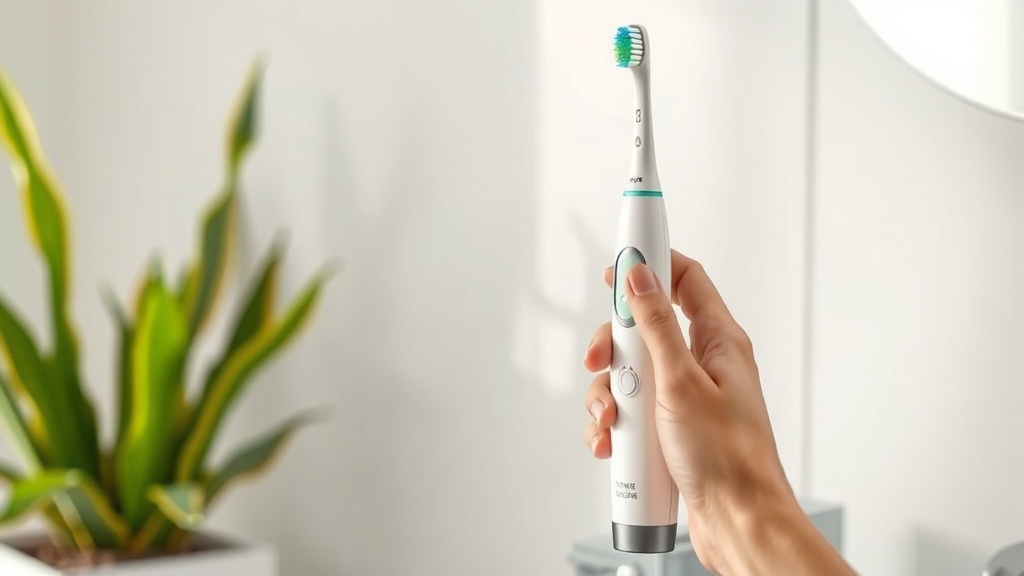
Once you have your new toothbrush, follow these tips for the best results. These habits can help maximize the benefits of your sensitive-friendly electric toothbrush.
- Use a small amount of toothpaste: You don’t need a huge dollop.
- Don’t scrub: Let the toothbrush do the work. Gentle guidance is all you need.
- Angle the brush head: Aim for a 45-degree angle towards your gumline.
- Brush each tooth surface: Spend a few seconds on each side of every tooth.
- Rinse with lukewarm water: Hot or cold water can sometimes trigger sensitivity.
A dentist can also provide personalized recommendations. They understand your specific oral health needs. Don’t hesitate to ask them which type of brush or features they think would be most beneficial for you. They might even have a few favorite models they’ve seen work wonders for their patients.
Making the Switch: What to Expect
When you first switch to an electric toothbrush, there might be a slight adjustment period. The vibrations can feel unusual at first. It’s also possible to feel a bit sensitive as your mouth gets used to a more effective cleaning action. However, many people report that any initial mild sensitivity quickly fades. You’ll likely notice cleaner teeth and healthier gums.
It might take a week or two to get completely comfortable. But the long-term benefits for your sensitive teeth and gums are usually well worth it. Think of it as training your mouth for a better, gentler clean. You’re investing in your comfort and your oral health.
Your Checklist for a Sensitive Smile Solution
To recap, here’s a quick checklist to guide your electric toothbrush selection:
- Prioritize soft bristles above all else.
- Look for a pressure sensor to prevent over-brushing.
- Check for a dedicated “sensitive” cleaning mode.
- Consider both sonic and oscillating-rotating technologies.
- Choose a compact brush head for better maneuverability.
- Remember to use sensitive toothpaste if recommended by your dentist.
Conclusion
You’ve learned that finding the best electric toothbrush for sensitive teeth is all about prioritizing gentle features. Remember to look for soft bristles and a pressure sensor. Multiple cleaning modes, especially a “sensitive” setting, will also help you avoid discomfort. Both sonic and oscillating-rotating technologies can work well, so choose what feels best for you. Now that you’re armed with this knowledge, take the next step: visit your dentist to discuss your options and then choose a brush that promises a comfortable, effective clean for your sensitive smile.
Frequently Asked Questions
Can an electric toothbrush really help with sensitivity?
Yes, many people find that electric toothbrushes can help reduce sensitivity. When you choose a model designed for sensitive teeth, it cleans more effectively without requiring you to press down hard. This gentle yet thorough cleaning action can actually improve your gum health and decrease discomfort over time.
What’s the difference between sonic and oscillating-rotating for sensitive teeth?
Sonic toothbrushes vibrate at high speeds, creating fluid dynamics that help clean. Oscillating-rotating brushes have small, round heads that spin to cup each tooth. For sensitivity, both can be excellent, but many users prefer the gentler buzzing sensation of sonic brushes. Your personal preference will guide which feels better.
How often should I replace the brush head on a sensitive electric toothbrush?
You should replace your electric toothbrush head every 3 to 4 months, or sooner if the bristles start to fray or look worn. Worn bristles are less effective at cleaning and can become rougher on your teeth and gums, potentially increasing sensitivity. Always use fresh heads for the best, gentlest clean.
Is it normal to feel some sensitivity when first using an electric toothbrush?
It’s possible to experience a slight adjustment period when you first switch to an electric toothbrush. The vibrations might feel unusual, and your mouth may need a little time to get used to the new cleaning sensation. This initial sensitivity usually fades within a week or two as you become more comfortable with the brush.
Should I use a special toothpaste with my sensitive electric toothbrush?
While the electric toothbrush itself helps manage sensitivity, using a desensitizing or sensitive toothpaste can offer extra relief. Your dentist can recommend a specific toothpaste based on the cause of your sensitivity. Combining a sensitive electric toothbrush with a suitable toothpaste often provides the best comfort and cleaning results.