Best Electric Toothbrush for Gum Health: Top Picks
Navigating the world of oral care in 2026 means prioritizing smarter solutions for your gum health. Dentists are still championing electric toothbrushes equipped with advanced oscillating-rotating heads and built-in pressure sensors, and for good reason. These technologies are your allies in banishing plaque efficiently while safeguarding those sensitive gum tissues. Investing in a top-tier electric toothbrush isn’t just a purchase; it’s a proactive step towards visibly healthier gums.
Choosing the right electric toothbrush involves understanding how different technologies impact your oral hygiene. We’ve looked into what makes an electric toothbrush truly beneficial for your gums. Think gentle power and smart features that guide your brushing. This means less guesswork for you and better results for your smile.
- Many dentists recommend oscillating-rotating brushes for gum health.
- Look for models with built-in pressure sensors to protect your gums.
- Sonic toothbrushes can also be effective with the right technique.
- Consistency is key to seeing improvements in gum health.
Let’s break down exactly what to look for in an electric toothbrush to keep your gums happy and healthy.
Finding the Top Electric Toothbrush for Healthier Gums
When you’re on the hunt for the best electric toothbrush to keep your gums in tip-top shape, it’s wise to focus on a few key technologies. We’ve looked into what really makes a difference for gum health. The goal is to remove plaque effectively without causing irritation. You want a toothbrush that works smart, not just hard. Gentle power is the name of the game here.
Understanding Key Features for Gum Care
Let’s dive into the features that dentists and dental hygienists often point to. These aren’t just fancy add-ons; they directly impact how well your toothbrush can care for your gums. Making an informed choice means understanding these technologies. It helps you get the most bang for your buck and, more importantly, for your oral health.
The Power of Oscillating-Rotating Technology
Many dental professionals recommend electric toothbrushes with an oscillating-rotating brush head. This technology involves a small, round brush head that spins back and forth, and often pulses, too. Think of it like a tiny, precise polisher for each tooth. This action is highly effective at breaking up and sweeping away plaque from tooth surfaces and along the gumline. Studies have shown this type of brush head can be more effective than manual brushing at reducing gingivitis (Mayo Clinic).
Why Pressure Sensors Are a Gum-Saver
One of the biggest mistakes people make when brushing is applying too much pressure. This can damage delicate gum tissue, leading to recession and sensitivity. This is where a pressure sensor comes in. If you press too hard, the toothbrush will alert you. This alert can be a light, a change in vibration, or even a pause in the brushing action. It’s like having a gentle reminder from your dentist every time you brush. This feature is a game-changer for protecting your gums from unnecessary wear and tear.
Sonic Technology: A Different Kind of Clean
While oscillating-rotating brushes are often highlighted, sonic toothbrushes are also a strong contender for gum health. These brushes use high-speed vibrations to create a dynamic cleaning action. The brush head moves back and forth very rapidly, creating fluid dynamics that help dislodge plaque even slightly beyond where the bristles physically touch. They often have larger, more oval-shaped heads. Many people find the gentle vibration of sonic brushes to be quite pleasant. For effective gum care with a sonic brush, ensure you use a soft-bristled head and proper technique.
Sonic vs. Oscillating-Rotating: What’s the Real Difference for Gums?
The core difference lies in the motion. Oscillating-rotating brushes offer a more targeted, mechanical cleaning. Sonic brushes rely more on vibration and fluid action. Both can be excellent for gum health. Your personal preference and how you use the brush matter most. We found that both technologies, when used correctly, are superior to manual brushing for plaque removal and reducing gingivitis. The best choice often comes down to which one feels better in your hand and mouth.
Brush Head Shape and Bristle Softness
Beyond the technology, the brush head itself is vital. For gum health, you always want soft bristles. Medium or hard bristles can be too abrasive. They can wear down enamel and irritate your gums over time. Look for brush heads that are specifically designed to be gentle. The shape of the brush head also plays a role. Smaller heads can often reach tighter spots, like behind back molars, more easily. Some heads are designed with angled bristles to better hug the gumline. These small design choices add up to a gentler, more effective clean.
Putting Your Electric Toothbrush to Work for Your Gums
Even the best electric toothbrush needs your help to work its magic. Proper technique and consistency are your secret weapons for achieving healthier gums. Think of it as a partnership between you and your device. You provide the care, and the toothbrush provides the powerful, yet gentle, cleaning action.
Mastering the Brushing Technique
Don’t just scrub with your electric toothbrush. Instead, guide it. Place the bristles gently against your teeth and gumline. Let the brush do the work. For oscillating-rotating brushes, spend a few seconds on each tooth surface. For sonic brushes, hold the head on each tooth surface for a few seconds, allowing the vibrations to clean. Angle the bristles slightly towards the gumline to effectively clean that critical area. Remember to brush all surfaces: outer, inner, and chewing. Aim for two minutes, twice a day. This consistent approach is key to seeing real improvements.
The Importance of Timer Features
Many electric toothbrushes come with built-in timers. Some offer a 30-second quadrant timer, prompting you to move to a different section of your mouth. Others have a full two-minute timer. These timers are incredibly helpful. They ensure you’re brushing for the dentist-recommended duration. This takes the guesswork out of timing your brushing. It helps you be thorough without rushing. We found that using the timer consistently leads to better overall cleaning.
Don’t Forget to Replace Your Brush Head!
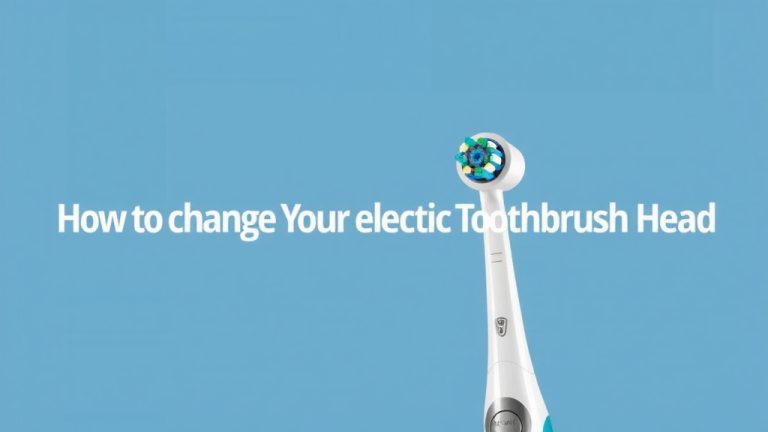
This might sound simple, but it’s often overlooked. Worn-out bristles don’t clean effectively. They can even harbor bacteria. Most manufacturers recommend replacing your brush head every three to four months. Some electric toothbrushes even have indicator bristles that fade to let you know it’s time for a change. Think of it like changing the filter in your air purifier; it keeps the system working efficiently. Fresh brush heads are essential for optimal plaque removal and gum care.
Choosing Your Ideal Gum-Health Champion
When you’re ready to make a purchase, consider what matters most to you. Do you prefer the targeted action of oscillating-rotating heads? Or the sweeping vibrations of sonic technology? Do you need the guidance of a pressure sensor and timer? Here’s a quick checklist to help you decide:
- Soft Bristles: Always choose soft.
- Pressure Sensor: A must-have for gum protection.
- Timer: Ensures adequate brushing time.
- Brush Head Type: Oscillating-rotating or sonic – both work well.
- Size/Shape: Look for a head that comfortably reaches all areas.
- Replacement Frequency: Factor in the cost of replacement heads.
A Quick Comparison of Electric Toothbrush Types for Gums
To help you visualize the options, here’s a simple breakdown. Keep in mind that within each category, specific models will have varying features and price points. We’ve focused on the core technologies relevant to gum health.
| Toothbrush Type | How it Cleans for Gums | Pros for Gum Health | Potential Downsides |
|---|---|---|---|
| Oscillating-Rotating | Small, round head spins and pulses. | Highly effective plaque removal. Good at cleaning along the gumline. | Can feel more vigorous; pressure sensor is vital. |
| Sonic | High-speed vibrations create fluid action. | Gentle yet effective cleaning. Good for sensitive gums. | May require a slightly different technique to master. |
Ultimately, the best electric toothbrush for your gum health is the one you’ll use consistently and correctly. By understanding these features and focusing on gentle, thorough cleaning, you’re well on your way to a healthier, happier smile. Your gums will thank you for the tender loving care!
Conclusion
You now have a clear picture of how to choose the best electric toothbrush for healthier gums. Remember, focusing on oscillating-rotating or sonic technology, along with features like pressure sensors and soft bristles, will make a real difference. Don’t forget the power of consistent, proper technique and regular brush head replacement.
Your next step? Look for a toothbrush that fits your needs and budget, and start brushing smarter. Your gums will thank you for this positive change.
Frequently Asked Questions
How often should I replace my electric toothbrush head for gum health?
You should aim to replace your electric toothbrush head every three to four months. Worn-out bristles become less effective at cleaning plaque and can even harbor bacteria, which isn’t good for your gums. Many brush heads have indicator bristles that fade to signal when it’s time for a change.
Can an electric toothbrush with a pressure sensor really help my gums?
Absolutely! A pressure sensor is a fantastic tool for protecting your gums. It alerts you if you’re brushing too hard, which can damage gum tissue and lead to recession. This feature helps you maintain the perfect amount of gentle pressure for effective cleaning without causing harm.
Are sonic toothbrushes good for sensitive gums?
Yes, sonic toothbrushes can be very effective and gentle for sensitive gums. Their high-speed vibrations create a fluid cleaning action that dislodges plaque without needing aggressive scrubbing. Many users find the sensation less intense than oscillating-rotating brushes, making them a great choice.
What is the biggest mistake people make with electric toothbrushes and gum health?
The most common mistake is applying too much pressure. Electric toothbrushes are designed to do the work for you, so you just need to guide them gently along your teeth and gumline. Using too much force can lead to gum irritation and damage, negating the benefits of the electric brush.
Does the shape of the electric toothbrush head matter for gum care?
Yes, the shape and size of the brush head can matter. Smaller heads are often better for reaching all areas of your mouth, including hard-to-access spots like behind your back molars. Look for heads designed to gently hug the gumline, as this helps ensure thorough cleaning where gum disease often starts.