Master Your Electric Toothbrush: The Proper Way
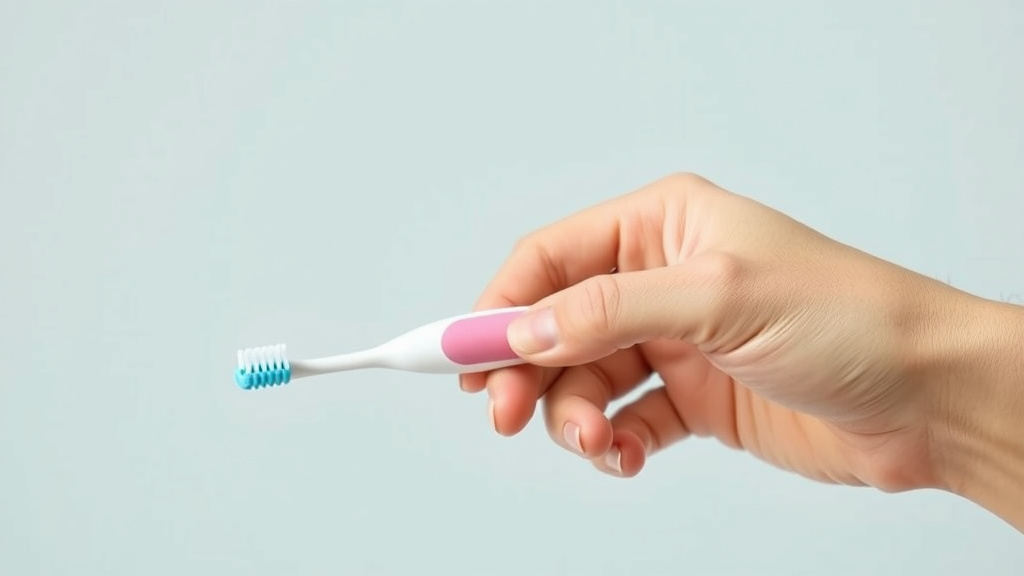
The proper way to use an electric toothbrush involves gentler pressure and letting the brush do the work. You should simply guide the brush head from tooth to tooth, spending a few seconds on each surface. Avoid scrubbing, as this can damage your gums and enamel. It’s about precision, not brute force.
Many people assume electric toothbrushes require vigorous scrubbing like manual ones. However, research and dentists confirm that the opposite is true. The high-speed oscillations or sonic vibrations do the heavy lifting. Your goal is to ensure every tooth surface gets enough contact time for effective plaque removal and a The high-speed oscillations or sonic vibrations do the heavy lifting for effective plaque removal.healthier smile.
- Guide the brush head, don’t scrub.
- Let the electric toothbrush vibrations clean.
- Spend a few seconds on each tooth surface.
- Brush all sides of your teeth: outer, inner, and chewing surfaces.
- Don’t forget your tongue!
Ready to make your brushing routine shine? Let’s walk through exactly how to use your electric toothbrush for the best possible clean, step by step.
Mastering Your Electric Toothbrush Technique
You’ve got your shiny new electric toothbrush. Great! Now, how do you make sure you’re using it correctly? It’s actually simpler than you might think. Forget the vigorous scrubbing you might do with a manual brush. Electric toothbrushes have superpowers! They do the hard work for you. Your job is to be the gentle guide. Let’s get your brushing technique right.
The Gentle Approach: Why Less is More
Think of your electric toothbrush like a tiny, high-tech cleaning crew. It has oscillating or sonic vibrations that can sweep away plaque far more effectively than manual scrubbing. That’s why many dental professionals recommend them. When you scrub hard with an electric brush, you’re actually fighting against its cleaning action. You can even irritate your gums or wear down your enamel. We found that excessive pressure can cause more harm than good (American Dental Association). We found that the high-speed oscillations or sonic vibrations do the heavy lifting, and understanding sonic vs oscillating can help you choose.
Pressure: A Light Touch is Key
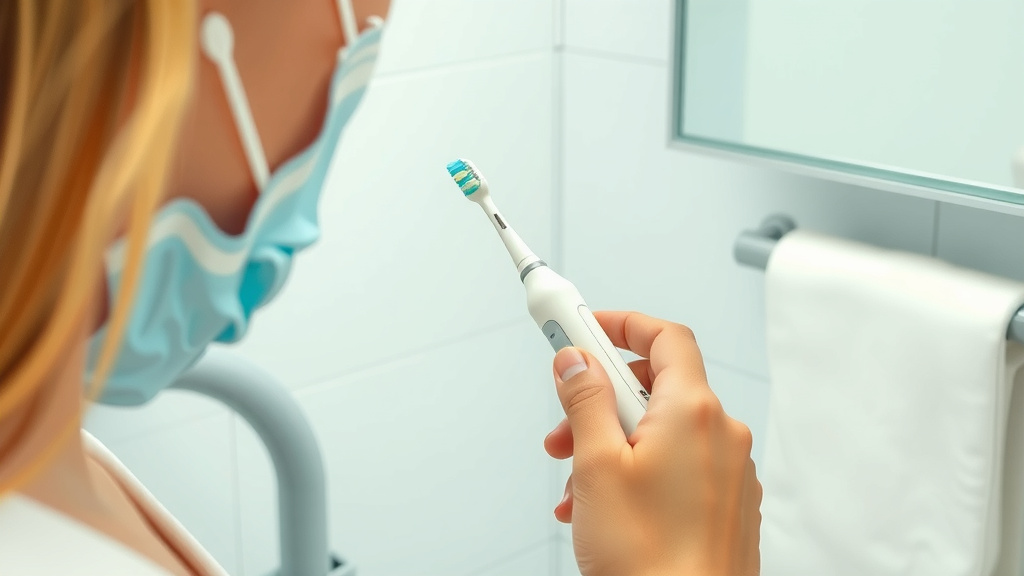
Most electric toothbrushes come with a built-in pressure sensor. This is your best friend! If you’re pushing too hard, the toothbrush will usually alert you with a light or a change in vibration. Pay attention to these cues. You should feel the bristles gently caressing your teeth, not digging into them. Imagine you’re frosting a delicate cake – you wouldn’t press down hard, right? The same principle applies here. A light touch ensures the brush head can move freely and do its job.
Let the Brush Do the Work
This is perhaps the most important takeaway. Stop scrubbing! You don’t need to move the brush back and forth or in circles like you would with a manual brush. Simply place the brush head on each tooth and let its vibrations do the cleaning. Hold it there for a few seconds, then move to the next tooth. It’s like letting a tiny robot do all the heavy lifting for you. You’re just directing it where to go.
A Step-by-Step Guide to Electric Brushing
Ready to put this into practice? Here’s a simple routine to follow for a thorough clean.
1. Preparation is Everything
Start by wetting your toothbrush head. Some people prefer to add a pea-sized amount of toothpaste before wetting. Others add toothpaste after wetting. Either way is fine. Just don’t overdo the toothpaste. Too much foam can make it harder to feel what you’re doing.
2. Divide and Conquer Your Mouth
Mentally divide your mouth into sections. A common method is to think of quadrants: upper right, upper left, lower right, and lower left. Or, you can focus on one tooth at a time. The goal is to ensure you don’t miss any spots. Many dentists suggest spending about 30 seconds per quadrant, totaling two minutes for your entire mouth.
Outer Surfaces
Begin with the outer surfaces of your teeth. Place the electric toothbrush head at a 45-degree angle to your gum line. Hold it there for a few seconds before moving to the next tooth. Let the bristles reach slightly under the gum line where plaque loves to hide. Gently glide the brush from tooth to tooth.
Inner Surfaces
Next, move to the inner surfaces. These are often neglected. Use the same 45-degree angle and gentle pressure. For your front teeth, you might need to hold the brush vertically to reach the surfaces properly. Again, spend a few seconds on each tooth. Don’t rush this part!
Chewing Surfaces
Finally, focus on the chewing surfaces. Lay the brush flat against these areas. Let the vibrations get into the grooves and crevices. This is where food particles often get trapped. You want to make sure these are thoroughly cleaned.
3. Don’t Forget Your Tongue
After brushing your teeth, give your tongue a gentle sweep with the toothbrush. You can either use the bristles or a special tongue-cleaning feature if your brush has one. This helps remove bacteria that cause bad breath. It’s a simple step that makes a big difference.
4. Rinsing and Finishing
Once you’re done, rinse your mouth thoroughly with water. Rinse your toothbrush head under running water to remove any toothpaste residue. Store it upright so it can air dry. This helps prevent bacteria growth.
Common Mistakes to Avoid
Even with the best intentions, some habits can hinder your electric toothbrush’s effectiveness. Let’s make sure you’re not falling into these common traps.
The Scrubbing Sinners
We’ve said it before, but it bears repeating: Stop scrubbing! This is the number one mistake people make. It’s like trying to polish a car with sandpaper. You’re not cleaning better; you’re just causing damage. Research shows that improper pressure is a leading cause of gum recession (Journal of Periodontology).
Skipping Sections
Are you always brushing the same areas? You might be missing crucial spots. Make a conscious effort to cover all surfaces of every tooth. The two-minute timer on many electric toothbrushes is there for a reason. Use it to guide your entire mouth cleaning.
Ignoring the Gum Line
Plaque loves to gather where your teeth meet your gums. You need to ensure the bristles are angled correctly to reach this area. A gentle touch at a 45-degree angle is your best bet. This is critical for preventing gum disease. Many dental health organizations stress the importance of gum line cleaning (CDC).
Making the Most of Your Electric Toothbrush: A Quick Checklist
Here’s a simple checklist to keep your brushing routine on point:
- Start with a pea-sized amount of toothpaste.
- Angle the brush at 45 degrees to the gum line.
- Let the vibrations do the cleaning; avoid scrubbing.
- Spend a few seconds on each tooth surface.
- Brush outer, inner, and chewing surfaces.
- Don’t forget to clean your tongue!
| Brush Type | Movement | How to Use |
|---|---|---|
| Oscillating-Rotating | Small circular or back-and-forth motions | Place on tooth, let it oscillate; guide to next tooth. |
| Sonic | High-speed vibrations | Hold on tooth, allow vibrations to sweep away plaque; guide to next tooth. |
By following these simple guidelines, you’ll be well on your way to a cleaner mouth and a healthier smile. It’s not complicated, but it does require a shift in your thinking about how brushing should feel. Embrace the technology, and let your electric toothbrush work its magic!
Conclusion
You’ve learned that using an electric toothbrush effectively means embracing a gentler technique. Remember, let the brush do the work. Guide it across each tooth surface at a 45-degree angle to your gum line, allowing its vibrations to sweep away plaque. Avoid scrubbing, and pay attention to your toothbrush’s pressure sensor. By incorporating these simple steps into your routine, you’re set to achieve a superior clean and support your long-term oral health. Start practicing this mindful approach today for a brighter, healthier smile!
Frequently Asked Questions
How long should I brush my teeth with an electric toothbrush?
Most electric toothbrushes have a built-in two-minute timer to ensure adequate cleaning. Divide your mouth into quadrants and spend about 30 seconds on each. This ensures you give every surface the attention it needs for a thorough clean.
Do I need to use a special toothpaste with my electric toothbrush?
No, you can use your regular fluoride toothpaste. A pea-sized amount is sufficient, as excessive foam can obscure your view and make it harder to feel if you’re using too much pressure. Just focus on proper technique, not fancy toothpaste.
What is the best way to clean the inside surfaces of my teeth with an electric brush?
Tilt the brush head to reach the inner surfaces of your teeth, aiming for a 45-degree angle towards the gum line. For your front teeth, you may need to hold the brush vertically. Gently guide the brush over each tooth, letting the vibrations do the cleaning.
How often should I replace my electric toothbrush head?
You should replace your electric toothbrush head every three to four months, or sooner if the bristles become frayed. Worn-out bristles are less effective at cleaning and can even cause damage, so keep an eye on them.
Can using an electric toothbrush hurt my gums?
Electric toothbrushes can potentially harm your gums if you use too much pressure or scrub aggressively. Always use a light touch and let the brush’s vibrations do the work. Many brushes have pressure sensors that alert you if you’re pushing too hard, which is incredibly helpful.