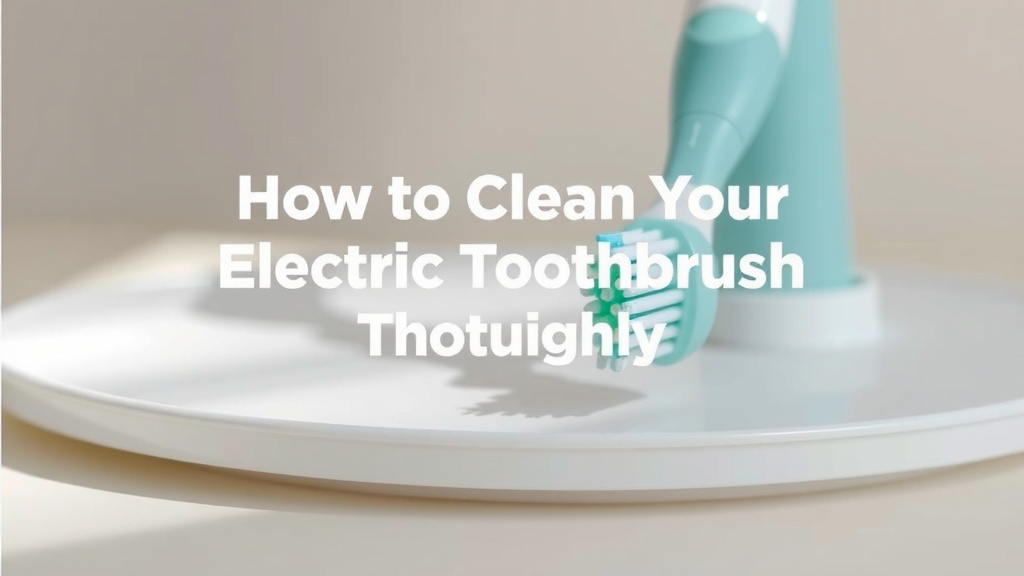
How to Clean Your Electric Toothbrush Head Thoroughly
The easiest way to clean your electric toothbrush head is with simple soap and water. You should aim to do this daily to remove toothpaste residue and bacteria. A thorough rinse under running water will keep your toothbrush head hygienic and ready for your next brush. It’s a quick step that makes a big difference in your oral care.
Keeping your electric toothbrush head clean is more than just for looks. It’s essential for maintaining optimal hygiene and ensuring your toothbrush works its best. We found that regular cleaning can help prevent the buildup of mold and mildew. This also helps to extend the life of your brush head, saving you money in the long run.
- Rinse the head under running water after each use.
- Use mild soap and your fingers to gently scrub away residue.
- Allow the brush head to air dry completely between uses.
- Replace your brush head every 3-4 months, or sooner if frayed.
Now, let’s get into the simple steps to properly clean your electric toothbrush head and keep it sparkling. It’s easier than you might think!
Keeping Your Electric Toothbrush Head Sparkling Clean
So, you’ve got a fancy electric toothbrush. Great choice for a cleaner smile! But are you giving its head the TLC it deserves? We found that a little bit of cleaning goes a long way.
Keeping your toothbrush head hygienic is key to a healthy mouth. Think of it like this: you wouldn’t leave your kitchen sponge caked with old food, right? Your toothbrush head is similar. It harbors bacteria and toothpaste gunk if left unchecked. Many dental professionals recommend regular cleaning to prevent this buildup.
Daily Rinse: Your First Line of Defense
The most important step is simple: rinse. After every single brushing session, give that head a good rinse under cool or lukewarm running water. This washes away loose toothpaste and debris immediately.
Don’t just give it a quick splash. Let the water run over the bristles for about 15-20 seconds. This ensures you get into all the little nooks and crannies. We found this simple step dramatically reduces the amount of residue left behind.
A Deeper Clean: Tackling Stubborn Residue
Sometimes, water alone isn’t enough. Toothpaste can dry and harden, creating a sticky mess. For these moments, reach for a bit of mild soap.
Using Mild Soap Effectively
Grab a tiny amount of mild liquid hand soap or dish soap. You don’t need much – just a drop or two. Gently use your fingertips to work the soap into the bristles and around the base of the head.
Be gentle! You’re not trying to scrub a cast-iron pan. A soft touch is all that’s needed. Then, rinse thoroughly again under running water until all soap suds are gone. We found that this method is very effective at removing dried-on toothpaste.
The Soap and Water Debate: What Do Experts Say?
You might be wondering if soap is really necessary or even safe. Many dental experts agree that using a mild soap occasionally is perfectly fine for cleaning electric toothbrush heads. The key is to use it sparingly and rinse very well.
The American Dental Association (ADA) emphasizes maintaining good oral hygiene. While they don’t have specific guidelines for electric toothbrush head cleaning with soap, their focus on cleanliness supports the idea of removing debris. We found that most sources suggest mild soap is safe when rinsed properly.
Dealing with Mildew and Mold: A Serious Concern
This is where cleaning becomes more than just about aesthetics. If your toothbrush head sits in a damp environment without proper drying, mold and mildew can grow. Yuck! This can then be transferred into your mouth.
Preventing Mold and Mildew Growth
The best way to combat this is through proper drying. After rinsing, shake off any excess water. Then, let the brush head air dry completely. Do not store it in a closed container or drawer immediately after use.
Many electric toothbrush brands offer charging bases with UV sanitizers. While these can help kill bacteria, they don’t replace the need for physical cleaning. Think of them as an extra layer of defense, not a substitute for rinsing and drying.
How Often Should You Deep Clean?
For most people, a thorough rinse after each use and a gentle soap wash once a week is sufficient. If you notice significant buildup or a less-than-fresh smell, you might need to increase the frequency of your soap washes.
Consider your environment too. If your bathroom is particularly humid, you might need to be more diligent about drying. We found that consistent daily rinsing is the most critical factor in preventing major buildup.
What About Disinfecting Solutions?
Some people ask about using mouthwash or other disinfecting solutions. While these might seem like a good idea, they aren’t usually recommended for daily cleaning of the brush head itself.
Why Avoid Harsh Disinfectants?
Many commercial disinfectants can be too harsh for the materials used in toothbrush heads. They could potentially degrade the bristles or the plastic over time. Furthermore, you don’t want any chemical residue left on the bristles that could be ingested.
For a truly deep clean, some sources suggest a soak in a diluted vinegar or hydrogen peroxide solution. However, this should be done very occasionally, perhaps once a month at most. Always rinse extremely well afterward. Many dental professionals suggest sticking to the simpler methods unless you have a specific oral health concern.
A Quick Checklist for a Clean Brush Head
Let’s make this super simple. Here’s your quick guide:
- Rinse thoroughly after every brush.
- Use mild soap and fingers for a gentle scrub once a week.
- Shake off excess water after rinsing.
- Air dry completely before storing.
- Avoid storing in closed containers while damp.
- Keep an eye out for any discoloration or odd smells.
When It’s Time for a New Brush Head
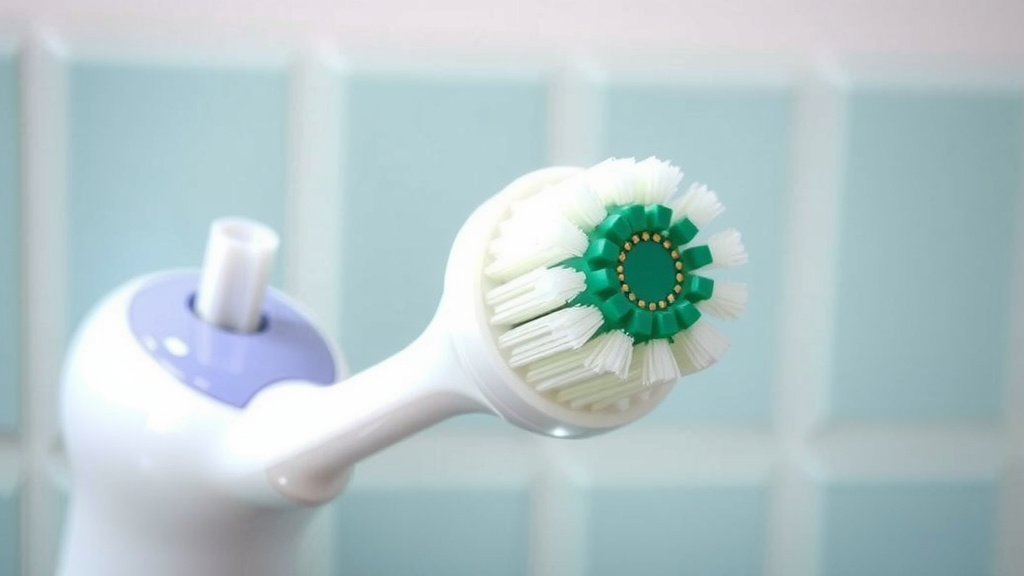
Even with the best cleaning routine, brush heads wear out. Frayed bristles don’t clean effectively. They can also harbor more bacteria.
Most manufacturers recommend replacing your electric toothbrush head every three to four months. Pay attention to the bristles. If they look splayed or worn, it’s time for a change, even if it hasn’t been three months yet. You can often find replacement heads in multi-packs to save a bit of money. Our guide to the best electric toothbrush replacement heads can help you find suitable options.
Conclusion
You’ve learned that keeping your electric toothbrush head clean is simple yet incredibly important for your oral health. Regular rinsing after each use is your first line of defense against bacteria and toothpaste buildup. A gentle wash with mild soap once a week can tackle stubborn residue and prevent potential issues like mildew.
Remember, proper drying and timely replacement of your brush head are just as vital. By following these easy steps, you ensure your toothbrush works effectively and keeps your smile healthy. Make this simple routine part of your daily life for a cleaner, fresher mouth.
Frequently Asked Questions
Can I use toothpaste to clean my electric toothbrush head?
No, it’s generally not recommended to use toothpaste for cleaning the brush head itself. Toothpaste is meant for cleaning your teeth, and its abrasive nature might damage the bristles over time. A simple rinse with water or mild soap is more effective and safer for the brush head materials.
What’s the best way to dry my electric toothbrush head?
The best way to dry your electric toothbrush head is to shake off excess water and then let it air dry completely. Avoid storing it in enclosed spaces or containers while it’s still damp, as this can encourage bacterial growth and mildew.
How can I tell if my electric toothbrush head is too old or needs replacing?
You should replace your electric toothbrush head every three to four months, or sooner if the bristles appear frayed, splayed, or worn. Discoloration or a persistent unpleasant odor can also be signs it’s time for a change, even if it hasn’t been the full three months.
Is it safe to use a UV sanitizer on my electric toothbrush head?
UV sanitizers can be an extra layer of defense against bacteria, and many come with electric toothbrush bases. However, they don’t replace the need for regular physical cleaning. You still need to rinse and gently scrub your brush head to remove toothpaste and debris effectively.
Can I share an electric toothbrush handle with different heads?
While you can technically switch heads on the same handle, it’s best practice for hygiene reasons to have separate handles and heads for each person. Sharing even clean brush heads can lead to the transfer of bacteria between individuals.