How to Open Your Oral-B Electric Toothbrush Easily
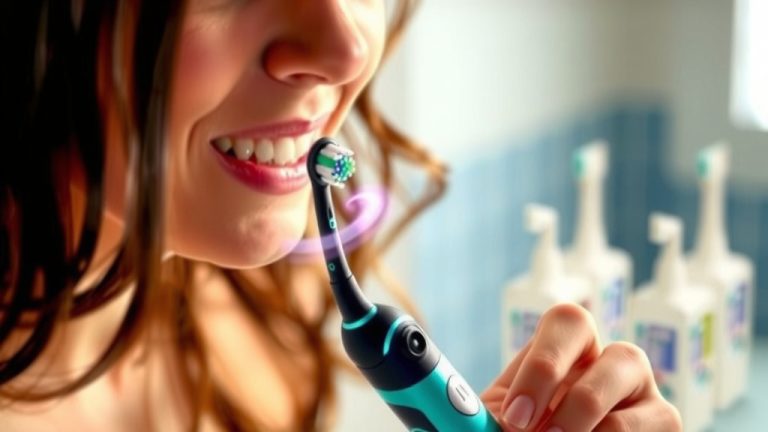
Opening your Oral-B electric toothbrush isn’t complicated. You typically just need to gently pull the brush head straight off the handle. It’s designed for easy removal for cleaning and replacement. Don’t force it; a simple tug should do the trick for most Oral-B models.
We’ve found that many people worry about breaking their toothbrush. However, Oral-B brush heads are made for regular changes. This ensures you get the best cleaning performance every time. It’s a quick process that keeps your oral hygiene in top shape.
- Remove the brush head by pulling it straight off.
- No special tools are usually needed for this.
- It’s a simple step for maintenance.
- This helps keep your toothbrush working well.
Ready to see how easy it is? Let’s walk through the simple steps to open and maintain your Oral-B electric toothbrush so it stays in great condition.
Taking Apart Your Oral-B Electric Toothbrush: A Simple Guide
So, you need to switch out your Oral-B brush head or give it a good clean. You might be wondering, “How do I even *open* this thing?” Don’t worry, it’s designed to be super user-friendly. You don’t need a toolkit or a manual that’s written in ancient Greek. In most cases, your Oral-B electric toothbrush head just pulls straight off. Let’s break down how to do it smoothly, every single time.
Understanding the Basic Design of Your Oral-B
Oral-B electric toothbrushes are engineered with simplicity in mind. The handle houses the motor and battery. The brush head is the part that does the cleaning work. It attaches to the handle in a way that makes it easy to remove and replace. This design is intentional. It helps you maintain good oral hygiene by ensuring you can always use a fresh brush head. Many dental professionals recommend changing your brush head every 3-4 months. This keeps it working efficiently (American Dental Association).
The Simple Step: Removing the Brush Head
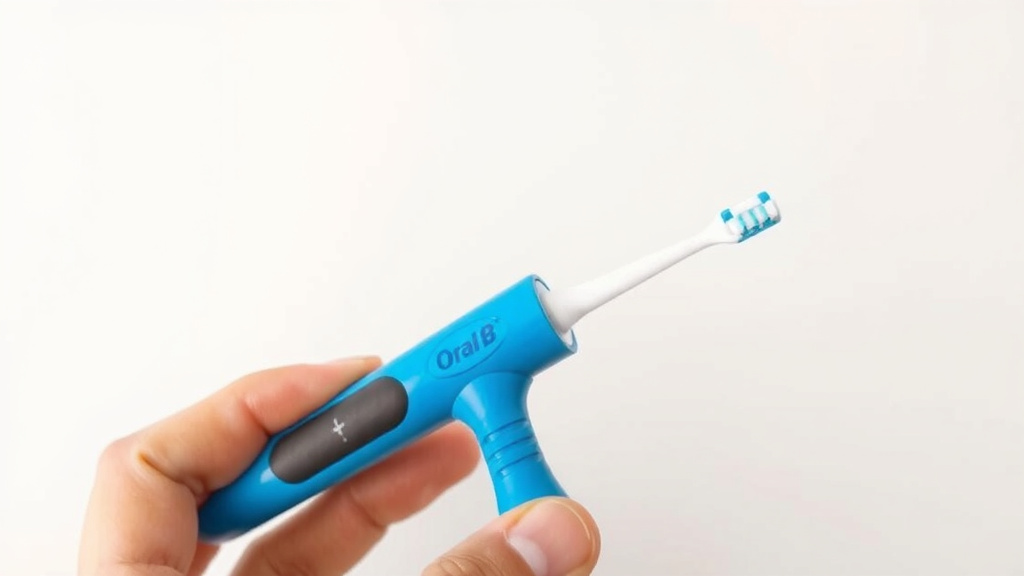
Ready to get started? It’s less about “opening” and more about “detaching.” Grab your Oral-B toothbrush handle firmly in one hand. Use your other hand to grasp the brush head itself. You want to get a good, solid grip on the plastic neck of the brush head, right where it meets the handle. Now, give it a gentle but firm **pull straight off** the handle. That’s usually all there is to it!
What to Expect When Detaching
You should feel a slight resistance as the brush head comes free. It might even make a small pop or click sound. This is normal. It just means the connection is secure when it’s attached. If you pull and nothing happens, try wiggling it very slightly side-to-side while pulling. However, avoid excessive force. You don’t want to damage the connection point. Think of it like pulling a plug out of a socket – a steady pull is best.
Troubleshooting a Stubborn Brush Head
Occasionally, a brush head might feel a little stuck. This can happen if some toothpaste residue dries around the connection. If you find it’s a bit difficult, try these tips: First, ensure you’re gripping both the handle and the brush head firmly. Make sure your hands aren’t wet, as this can make them slip. If it’s still stuck, you can try running a little warm water around the connection point for a few seconds. This can help loosen any dried-on toothpaste. Then, try pulling again. Remember, **gentle persistence** is key. Never try to pry it off with a tool, as this can cause damage.
Why Easy Removal is Important
The ability to easily remove your brush head isn’t just for convenience. It’s vital for proper hygiene. We found that residual toothpaste and water can collect where the brush head meets the handle. Detaching it regularly allows you to thoroughly clean this area. This prevents the buildup of bacteria and mold. Keeping this part clean ensures your toothbrush operates optimally and hygienically. Many experts stress the importance of regular cleaning for devices used in your mouth (CDC).
Cleaning and Maintaining Your Oral-B Components
Now that you know how to detach the brush head, let’s talk about keeping everything clean. This simple maintenance routine will help your Oral-B electric toothbrush last longer and perform better. It’s also about making sure you’re using the cleanest possible tool for your smile.
Rinsing Your Brush Head and Handle
After each use, it’s a good practice to rinse both the brush head and the handle. Detach the brush head as we’ve discussed. Run both parts under **lukewarm running water**. Make sure to rinse away all toothpaste residue. Pay attention to the metal shaft on the handle and the bristles and base of the brush head. This simple rinse removes debris before it can dry and harden.
Drying for Optimal Freshness
Once rinsed, give both the brush head and the handle a good shake to remove excess water. Then, reattach the brush head to the handle. Stand the toothbrush upright. Allow it to air dry completely. Storing it in a closed container while still wet can create a breeding ground for germs. Leaving it open to the air helps it stay fresh. We found this air-drying step really makes a difference in overall cleanliness.
Deep Cleaning Tips
While daily rinsing is great, an occasional deep clean can be beneficial. About once a week, you might want to do a more thorough cleaning. Detach the brush head. You can use a damp cloth to wipe down the handle, paying attention to any buttons or charging ports. For the brush head, a soak in a mild soap and water solution can be effective. Just ensure you rinse it extremely well afterward. Some sources suggest avoiding harsh chemicals or dishwashers for cleaning electric toothbrush parts, as they can cause damage (Cleveland Clinic).
When to Replace Your Brush Head
Remember that replacing the brush head is just as important as cleaning. Worn bristles don’t clean effectively. They can also be harsh on your gums. We found that most Oral-B models have indicator bristles that fade over time. When these bristles lose their color, it’s a sign it’s time for a change. Beyond the visual cues, aim to replace your brush head every 3-4 months. This is a good rule of thumb for most users.
Your Oral-B Maintenance Checklist
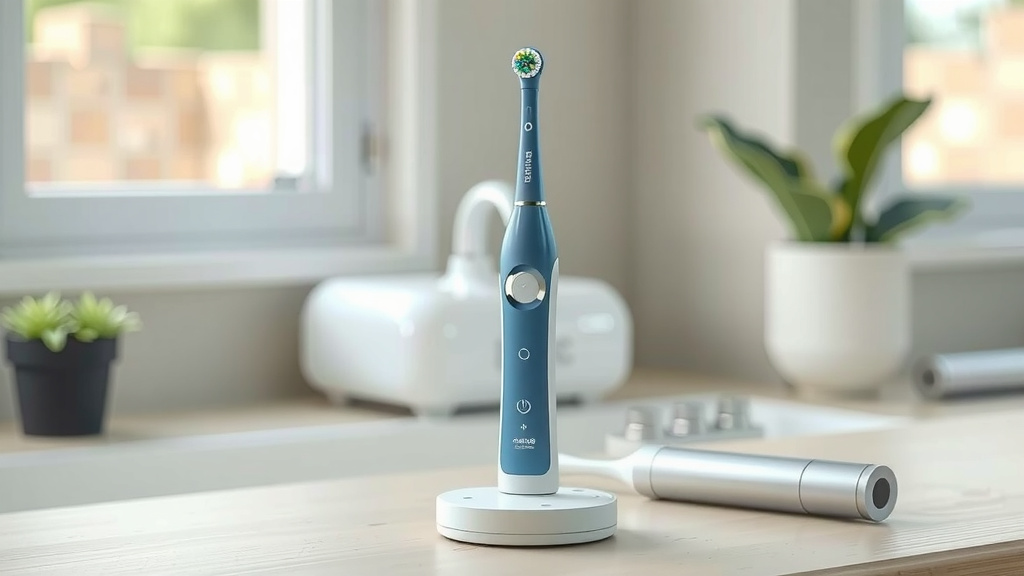
To keep your Oral-B electric toothbrush in top shape, here’s a quick checklist:
- After each use: Rinse brush head and handle under running water.
- After rinsing: Shake off excess water and reattach the brush head.
- Storage: Stand upright to air dry completely.
- Weekly: Perform a gentle deep clean on handle and brush head.
- Regularly: Replace brush head every 3-4 months or when indicator bristles fade.
Following these simple steps will ensure your Oral-B toothbrush continues to provide an effective clean for your smile. It’s a small routine that pays big dividends for your oral health.
Conclusion
You’ve learned that opening your Oral-B electric toothbrush is quite simple. It’s mainly about gently pulling the brush head straight off the handle. This easy detachment is key for cleaning and maintaining your toothbrush effectively. Remember, regular rinsing and timely brush head replacement ensure optimal hygiene and performance. By following these straightforward steps, you’re actively contributing to better oral health. Keep up this simple routine for a consistently clean and effective brushing experience.
Frequently Asked Questions
How do I know if I’m pulling the Oral-B brush head correctly?
You should feel a slight resistance as the brush head detaches from the handle. A gentle, steady pull straight off is all that’s usually needed. Avoid wiggling too much or using excessive force, which could damage the connection.
My Oral-B brush head feels stuck. What should I do?
If your brush head feels stuck, first ensure your hands have a firm grip and are dry. Sometimes, a bit of warm water run around the connection point can help loosen dried toothpaste. Gentle, persistent pulling is usually more effective than brute force.
Can I use tools to remove a stubborn Oral-B brush head?
No, you should never use tools like knives or pliers to pry off an Oral-B brush head. This can easily damage the handle and the brush head connection, potentially breaking your toothbrush. Stick to manual methods and gentle persistence.
How often should I actually detach my Oral-B brush head?
It’s a good practice to detach your Oral-B brush head after each use for rinsing. This allows you to properly clean both the brush head and the handle’s connection point. Regular detachment is important for hygiene.
What’s the best way to store my Oral-B toothbrush after detaching the head?
After rinsing and detaching the brush head, allow both parts to air dry completely before reattaching them. Stand the toothbrush upright in a holder. Storing it wet can encourage bacteria growth. Let it air dry thoroughly.