Battery Powered Toothbrush vs Electric Toothbrush: Key Differences Explained
When you’re standing in the dental aisle at your local pharmacy, staring at shelves full of oral hygiene options, you might find yourself asking a simple question: what’s the actual difference between a battery powered toothbrush and an electric toothbrush? On the surface, they seem pretty similar, don’t they? Both are powered devices that help you clean your teeth. But dig a little deeper, and you’ll discover that these two categories have some pretty significant distinctions that could impact your daily routine, your wallet, and yes, even your smile.
Let me walk you through everything you need to know about these two dental companions so you can make an informed decision about which one is right for you.
Understanding the Basic Definitions
Before we can compare these two options, we need to establish what we’re actually talking about. Think of it this way: all battery powered toothbrushes are technically electric toothbrushes, but not all electric toothbrushes are battery powered toothbrushes. Confused yet? Don’t worry, I’ll clarify.
What Exactly Is a Battery Powered Toothbrush?
A battery powered toothbrush is a simplified dental device that runs on standard replaceable batteries, typically AAA or AA batteries. These brushes feature a motor inside that vibrates or rotates at relatively modest speeds. The technology is straightforward: pop in some batteries, and the brush head moves back and forth or in circular motions. It’s like the little cousin of the toothbrush family—uncomplicated, accessible, and gets the job done without any fancy features.
The motor in a battery powered toothbrush typically operates at lower frequencies, usually somewhere between 2,000 and 5,000 oscillations per minute. This means the brush head moves thousands of times each minute, which is significantly faster than your hand could move if you were brushing manually.
What Is an Electric Toothbrush?
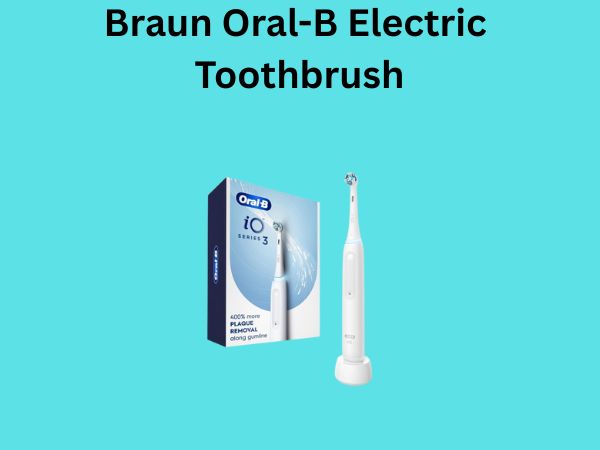
An electric toothbrush, in the broader sense, is any toothbrush powered by electricity. This category encompasses both battery powered models and rechargeable models. However, when people use the term “electric toothbrush,” they’re often referring to rechargeable electric toothbrushes—the premium options like Oral-B, Sonicare, and other well-known brands.
Rechargeable electric toothbrushes are connected to a charger base that you plug into an electrical outlet. They typically feature more advanced technology, higher oscillation frequencies, and smarter features than their battery powered cousins.
The Power Source: Where the Real Difference Lives
Here’s where things get interesting. The fundamental difference between these two types comes down to how they’re powered, and this distinction ripples outward to affect almost every other aspect of your experience.
Battery Powered: The Swap-and-Go System
Battery powered toothbrushes rely on replaceable batteries. When the batteries die, you simply swap them out for fresh ones. This approach has been around for decades, and it’s the reason many people grew up using these devices.
The advantages of this system are pretty clear:
- You’re never stuck with a dead toothbrush if you have spare batteries on hand
- There’s no waiting around for charging to complete
- The initial purchase price is usually quite affordable
- They’re portable and perfect for travel since you don’t need a charging dock
However, the disadvantages can add up over time:
- You’ll spend money continuously replacing batteries
- The environmental impact of disposing of batteries is significant
- Battery performance can degrade in cold temperatures
- You need to remember to keep spare batteries stocked at home
Rechargeable: The Modern Approach
Rechargeable electric toothbrushes connect to a charging base that you plug into a wall outlet. Once charged, they can typically run for a week or two on a single charge, depending on the model and frequency of use.
The benefits here include:
- Lower long-term costs after the initial investment since you’re not buying batteries repeatedly
- More environmentally friendly since you’re not creating battery waste
- Consistent power delivery without the degradation that comes with aging batteries
- Many models include smart features like pressure sensors, timers, and Bluetooth connectivity
- The charging dock often serves as a stylish bathroom accessory
On the other hand, rechargeable models come with some drawbacks:
- Higher upfront cost, sometimes ranging from $50 to $300 or more
- You need access to an electrical outlet for charging
- Battery degradation happens over years of use, eventually requiring replacement or buying a new brush
- The charging dock takes up counter space in your bathroom
- You might find yourself stuck with a dead brush if you forget to charge it
Oscillation Frequency and Cleaning Power
Now let’s talk about performance. Does one type actually clean your teeth better than the other? The answer involves understanding oscillation frequency—how many times per minute the brush head moves.
Battery Powered Toothbrush Specifications
Most battery powered toothbrushes operate at frequencies between 2,000 and 5,000 oscillations per minute. This is a respectable speed that’s significantly faster than manual brushing, which typically involves maybe 300 to 600 hand movements per minute. So even the humble battery powered brush is providing you with a substantial advantage over brushing by hand.
The motor technology in battery powered brushes is typically simpler, which contributes to the lower oscillation rates. But here’s the thing: this doesn’t necessarily mean your teeth won’t get clean. It just means the brush isn’t as aggressive or intensive as some premium options.
Rechargeable Electric Toothbrush Specifications
Rechargeable electric toothbrushes often operate at much higher frequencies. Sonic toothbrushes, for example, can vibrate at 30,000 to 62,000 oscillations per minute. Other rechargeable models use rotating motions rather than vibrations, with some achieving 8,800 oscillations per minute.
This higher frequency is supposed to provide superior cleaning action. The theory is that more vibrations per minute mean better plaque removal and more thorough cleaning around the gum line. Research suggests that in many cases, this is true—though the difference might not be dramatic enough to justify the price difference for everyone.
Cost Analysis: Initial Purchase and Long-Term Expenses
Let’s talk money, because oral care is an investment in your health. The cost difference between these two options is where a lot of people notice the biggest distinction.
Battery Powered Toothbrush Costs
A decent battery powered toothbrush will set you back anywhere from $10 to $40. You’re looking at an incredibly affordable entry point into powered dental care. However, the ongoing costs can accumulate.
Consider this: if you use a battery powered toothbrush twice daily and your batteries last about three months, you’re going through four sets of batteries per year. If each set costs around $5, you’re spending $20 annually on batteries. Over five years, that’s $100 added to your initial $20 purchase, bringing your total to $120. Multiply that if you have multiple family members using battery powered brushes, and the costs start adding up.
Rechargeable Electric Toothbrush Costs
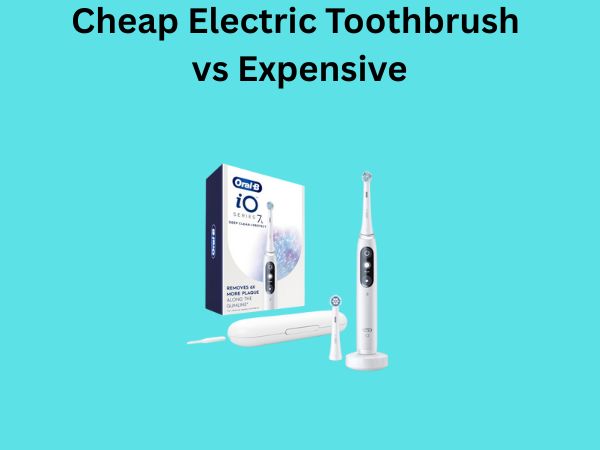
A quality rechargeable electric toothbrush might cost anywhere from $60 to $300 depending on the brand and features. Oral-B and Sonicare models in the mid-range typically fall in the $80 to $150 category. For five years of ownership, assuming minimal maintenance costs, you’re basically paying for the initial purchase.
The rechargeable model becomes more economical the longer you own it. If you keep the same brush for five or more years, you’re likely spending less over time than someone replacing batteries constantly in a battery powered model.
Portability and Travel Considerations
Thinking about taking your toothbrush on vacation? This is where the two types diverge quite a bit.
Battery Powered Brushes for Travel
Battery powered toothbrushes are genuinely travel-friendly. They don’t require a charger, don’t need electricity, and fit easily into any toiletry bag. If you’re heading to a remote location without reliable electricity, a battery powered brush is your best friend. You just need to pack a few extra batteries in your luggage, and you’re set.
Rechargeable Brushes for Travel
Rechargeable toothbrushes require a bit more planning. You need to remember your charging dock or at minimum a USB cable (if your model supports USB charging). However, once you’re at your destination, you can charge from any standard outlet. The advantage is that you don’t need to worry about batteries dying mid-trip since a single charge typically lasts a week or more.
Some modern rechargeable models come with travel cases and compact charging ports that make them easier to pack, so this disadvantage is becoming less significant.
Features and Smart Technology
Battery Powered Brush Features
Battery powered toothbrushes are pretty straightforward in terms of features. You typically get:
- An on/off button
- Maybe a few speed settings
- Sometimes a timer that buzzes every 30 seconds to encourage you to brush different quadrants of your mouth
That’s usually it. They do the job without any complexity or extra bells and whistles.
Rechargeable Brush Features
Rechargeable electric toothbrushes, particularly premium models, can include:
- Multiple brushing modes (sensitive, whitening, gum massage, etc.)
- Pressure sensors that alert you if you’re brushing too hard
- Bluetooth connectivity that syncs with smartphone apps to track brushing habits
- Professional timers with 2-minute intervals
- Travel modes that extend battery life
- Personalized brushing recommendations
- Compatibility with various brush head attachments for different oral needs
For some people, these features are incredibly valuable. For others, they’re unnecessary complexity that adds to the price without improving the brushing experience.
Brush Head Replacement and Maintenance
An often-overlooked aspect of electric toothbrush ownership is the ongoing maintenance of brush heads.
Battery Powered Brush Maintenance
Battery powered toothbrushes typically use disposable brush heads that last about three months before needing replacement. A replacement head might cost $3 to $8. This is a minimal additional expense but something to factor into your overall costs.
Rechargeable Brush Maintenance
Rechargeable toothbrushes also require brush head replacements every three months or so. However, replacement heads for premium brands can cost $5 to $15 each. This is still not a huge expense, but it does add up over time. Conversely, many rechargeable models come with multiple replacement heads included in the initial purchase, spreading that cost across time.
Cleaning Performance Comparison
Here’s the question everyone really wants answered: which one actually cleans your teeth better?
What the Research Shows
Numerous dental studies have compared battery powered and rechargeable electric toothbrushes. The general consensus is that both are significantly more effective than manual brushing. The difference between battery powered and rechargeable models is often quite small and may not be clinically significant for most people.
A study published in the Cochrane Database of Systematic Reviews found that oscillating-rotating toothbrushes (which are typically rechargeable models) were slightly more effective at reducing plaque and gingivitis compared to other powered options. However, the difference was modest—around 11 percent in plaque reduction.
The reality is that the most important factor for clean teeth is consistent, proper brushing technique and frequency. Using any powered toothbrush regularly is better than using a manual toothbrush sporadically. A battery powered brush used twice daily with good technique will deliver better results than a premium rechargeable brush gathering dust on your bathroom shelf.
Durability and Longevity
Battery Powered Toothbrush Durability
Battery powered toothbrushes are incredibly durable. The simpler motor design means fewer things can go wrong. These brushes can often last several years, and even when they eventually fail, the repair or replacement cost is minimal since they’re inexpensive to begin with. Many people get several years of daily use without any issues.
Rechargeable Toothbrush Longevity
Rechargeable toothbrushes can last 3 to 5 years with proper care, though some premium models may last longer. The rechargeable battery inside degrades over time, so eventually, the brush won’t hold a charge as effectively. After several years, the brush might need to be charged more frequently or replaced entirely.
That said, quality rechargeable brushes are built to last, and many manufacturers stand behind their products with warranties. The more expensive initial investment often reflects better build quality and longevity.
Environmental Impact
If you care about your environmental footprint, this is worth considering.
Battery Powered Impact
Battery powered toothbrushes create battery waste. Over five years, a household using battery powered brushes might throw away dozens of batteries. These batteries contain materials that require careful disposal and can harm the environment if not properly recycled.
Rechargeable Impact
Rechargeable toothbrushes produce significantly less waste. They use one rechargeable battery repeatedly, and eventually, when the brush dies, you only have one electronic device to recycle rather than dozens of batteries. This is substantially better for the environment, though the production of rechargeable devices does have its own environmental costs.
Who Should Choose What?
Choose a Battery Powered Toothbrush If:
- You’re on a tight budget and want minimal upfront costs
- You frequently travel or need a backup toothbrush
- You live in an area with unreliable electricity
- You prefer simplicity with no complex features
- You’re new to powered toothbrushes and want to test the concept cheaply
- You have young children and worry about them damaging an expensive device
Choose a Rechargeable Electric Toothbrush If:
- You want long-term cost savings and lower environmental impact
- You appreciate smart features and connectivity
- You want superior cleaning performance and don’t mind paying for it
- You’re willing to make an investment in premium oral care
- You prefer not dealing with battery replacements
- You want access to professional brushing modes and customization options