How Do You Dispose of Electric Toothbrushes Safely: A Complete Guide
Have you ever wondered what happens to your old electric toothbrush when it finally gives up the ghost? Most people just toss it in the trash without a second thought, but here’s the thing—that innocent-looking gadget sitting in your bathroom drawer could actually be causing more harm than you realize. Electric toothbrushes contain batteries, electronic components, and materials that don’t belong in landfills. In this comprehensive guide, we’re going to walk through everything you need to know about disposing of electric toothbrushes responsibly.
The Problem with Throwing Away Electric Toothbrushes
Let me paint you a picture. Every year, millions of electric toothbrushes end up in landfills across the globe. When these devices break down in the trash, their lithium-ion batteries can leak toxic chemicals into the soil and groundwater. Think of it like this: a single battery might seem harmless, but multiply that by millions of devices, and you’re looking at a genuine environmental crisis.
The issue isn’t just about the batteries either. Electric toothbrushes contain plastic casings, metal components, and electronic circuits that take decades to decompose. Some of these materials can never fully break down, meaning they’ll be around long after we’re gone. Pretty sobering, right?
Understanding What’s Inside Your Electric Toothbrush
The Battery Component
Most modern electric toothbrushes use rechargeable lithium-ion batteries. These are the same type of batteries found in smartphones and laptops. When disposed of improperly, they can pose fire hazards in waste management facilities. Imagine a fire starting at a recycling plant because of a battery that could have been handled differently—it’s a real concern that municipalities deal with regularly.
The Electronic Circuitry
Inside that sleek toothbrush handle is sophisticated circuitry that controls the vibration patterns and charging system. These circuit boards contain valuable materials like copper and precious metals, but they also contain substances that shouldn’t be released into the environment. This is actually why recycling becomes so important—those materials can be recovered and reused.
The Plastic and Metal Casing
The outer shell is typically made from durable plastic reinforced with metal components. While plastic takes centuries to decompose, the metal parts could theoretically be recycled. However, when everything is fused together, separating these materials becomes challenging for standard waste processors.
Option 1: Check the Manufacturer’s Recycling Program
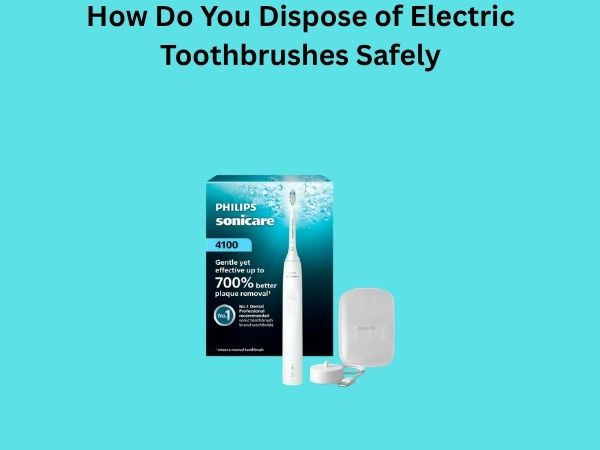
Here’s something most people don’t realize: many toothbrush manufacturers actually have take-back programs. Before you go searching for recycling options, contact the company that made your toothbrush. Some brands like Oral-B and Sonicare have established programs where they’ll accept old devices for proper recycling.
To find out if your brand participates, you can:
- Visit the manufacturer’s official website and look for environmental or sustainability information
- Call their customer service line directly
- Check your product documentation or the original packaging
- Email their support team with your device model number
Some manufacturers even offer discounts on new purchases when you send back your old device. It’s a win-win situation that encourages responsible disposal.
Option 2: Electronics Recycling Centers
Finding Your Local E-Waste Facility
Electronics recycling centers are specifically designed to handle devices like electric toothbrushes. These facilities have the expertise and equipment to safely dismantle and recycle electronic components. The best part? Most areas have at least one facility nearby.
To locate an electronics recycling center in your area, you can:
- Search online for “e-waste recycling near me” or “electronics recycling [your city name]”
- Contact your local waste management department for recommendations
- Visit websites like Earth911.com or Call2Recycle.org, which have searchable databases
- Check with your city or county government’s environmental department
What to Expect at a Recycling Center
When you arrive at an electronics recycling facility, the process is straightforward. You’ll typically just drop off your device, and the staff will ensure it’s handled properly. Many facilities are free, though some may charge a nominal fee for certain items. Don’t let that discourage you—it’s still the responsible choice.
Option 3: Retailer Take-Back Programs
Did you know that many retailers accept old electronics for recycling? Major retailers understand their responsibility in the product lifecycle, and many have implemented take-back programs. Best Buy, for example, accepts electronics recycling from customers, sometimes even offering store credit for participation.
Popular Retailers with Recycling Programs
- Best Buy accepts most electronics for recycling
- Staples offers e-waste recycling services
- Some pharmacy chains participate in electronics recycling
- Local electronics stores often have their own programs
When you’re shopping for your next toothbrush, you could even ask the store about their recycling policies. Many salespeople appreciate the question and will provide helpful guidance.
Option 4: Donate Instead of Dispose
Here’s a thought: does your toothbrush actually need to be recycled, or could it still work? If it’s still functional, donating might be a better option than disposal. Organizations that refurbish electronics or charities serving low-income communities might gladly accept your gently used toothbrush.
Where to Donate Electric Toothbrushes
- Local charities and community centers
- Dental schools that might use them for training
- Free community clinics
- Organizations serving people experiencing homelessness
- Online platforms like Buy Nothing groups or local Facebook communities
Before donating, make sure the toothbrush is clean and in working order. It’s a small gesture that could help someone who couldn’t otherwise afford an electric toothbrush.
Option 5: Hazardous Waste Collection Events
Many communities host hazardous waste collection days where residents can drop off items containing batteries and electronics. These are often free, seasonal events. Because electric toothbrushes contain batteries, they can sometimes qualify for these programs.
Finding Hazardous Waste Events
Check your city or county’s official website for upcoming collection events. These are usually advertised several months in advance and happen during spring or fall cleanup seasons. You’ll typically need to bring your items to a designated location on a specific day.
The Step-by-Step Process for Responsible Disposal
Step One: Gather Your Information
First, identify the brand and model of your toothbrush. This information helps you understand what options are available. Check if the manufacturer has a specific program and make note of any special instructions.
Step Two: Prepare Your Device
Before disposal, make sure your toothbrush is clean and dry. If the battery is removable, you might be able to separate it, though this isn’t typically recommended unless you have experience with electronics. Keep all original parts together if possible.
Step Three: Research Local Options
Spend fifteen minutes researching what’s available in your area. You might find that the easiest option is closer than you think. Make a list of the nearest facilities or programs.
Step Four: Schedule Your Drop-Off
Some facilities require appointments, while others accept walk-ins during business hours. Check their website or call ahead to confirm hours and any requirements. This simple step prevents wasted trips.
Step Five: Complete the Drop-Off
When you arrive, simply hand over your device and ask about the process. Most facilities will provide you with information about what happens next. Some even provide confirmation of recycling completion.
What Happens After You Drop Off Your Toothbrush
Ever wonder where your recycled toothbrush actually goes? The process is quite fascinating. Once at the recycling facility, trained technicians begin the disassembly process. They carefully separate the battery from the plastic and metal components. The battery goes through a specialized recycling process where chemicals are safely extracted and neutralized.
The plastic components are shredded and processed for reuse in manufacturing new plastic products. The metal parts are sorted by type and sent to metal recycling facilities. Even the circuit boards go through precious metal recovery processes. It’s amazing when you think about it—your old toothbrush could literally become part of something completely different.
Common Mistakes to Avoid
Never Throw It in Regular Trash
This is the most important rule. Once your toothbrush ends up in a landfill, the damage is done. The battery can leak for years, contaminating surrounding areas.
Don’t Disassemble It Yourself
Unless you’re trained in electronics handling, trying to take apart your toothbrush is dangerous. You could damage the battery, which poses safety and environmental risks.
Avoid Burning or Burying
These methods are harmful and sometimes illegal. Burning releases toxic fumes, while burying doesn’t solve the problem—it just delays it.
Don’t Forget About It in a Drawer
The sooner you dispose of your old toothbrush, the sooner it stops taking up space and starts being recycled. Set a reminder if you tend to procrastinate.
Making Disposal Easier in the Future
Rather than waiting until your toothbrush completely fails, why not plan ahead? When purchasing a new toothbrush, ask about disposal options immediately. Keep this information somewhere accessible so you’ll know exactly what to do when replacement time comes.
You might even consider purchasing from brands that offer convenient take-back programs. By voting with your wallet, you encourage more companies to establish responsible disposal options.
The Environmental Impact of Proper Disposal
Here’s something to feel good about: when you properly dispose of your electric toothbrush, you’re preventing toxic chemicals from entering groundwater that supplies drinking water to countless communities. You’re also ensuring that valuable materials get recovered and reused rather than wasted. Over a lifetime, if just one person properly recycles their toothbrushes, they’re preventing significant environmental damage.
Now imagine if everyone reading this article made that commitment. The collective impact would be tremendous.
Legislation and Regulations
Different regions have different requirements for electronic waste disposal. Some states have established electronics recycling laws that make manufacturers responsible for end-of-life management. The European Union has strict regulations requiring proper handling of electronic waste. Understanding these rules can motivate you to take action.
Check your local regulations to see if there are any specific requirements for electronic toothbrush disposal in your area. Some regions even prohibit throwing electronics in the trash.
Sustainable Toothbrush Alternatives
While you’re thinking about disposal, you might consider switching to more sustainable options in the future. Bamboo toothbrushes are biodegradable, though they require proper composting. Some companies are developing electric toothbrush models with replaceable batteries, making them easier to repair and less wasteful overall.
As consumer demand for sustainable products increases, manufacturers are responding with better alternatives. Your disposal choices today might influence what products are available tomorrow.
Creating a Reminder System
Let’s be practical for a moment. Most people forget about proper disposal until they’re standing in their bathroom with a broken toothbrush in hand. Why not create a system now? You could:
- Save the recycling facility’s contact information in your phone
- Set a calendar reminder when your toothbrush is about two years old
- Join local environmental or community Facebook groups that share disposal tips
- Keep a list on your refrigerator of local recycling resources
Small systems like these remove friction from the process and make responsible disposal effortless.
Conclusion
Disposing of electric toothbrushes properly might seem like a small action, but it’s actually quite significant. From checking manufacturer take-back programs to visiting local electronics recycling centers, you have multiple options available. The key is simply taking that first step and committing to responsible disposal. Your toothbrush contains materials and batteries that deserve better than a landfill, and our environment deserves better than the consequences of improper disposal. Whether you choose to recycle through a manufacturer program, use a local e-waste facility, donate your still-functional device, or participate in a community collection event, you’re making a difference. The next time your electric toothbrush reaches the end of its life, you’ll know exactly what to do. And that knowledge itself is powerful—it’s the foundation of meaningful environmental action.
Frequently Asked Questions
Can I throw my electric toothbrush in the recycling bin with regular recyclables?
No, you should not put your electric toothbrush in your standard curbside recycling bin. Electronic devices require specialized processing that standard recycling facilities aren’t equipped to handle. The battery inside could damage the facility’s equipment or pose safety risks. Always take your toothbrush to a dedicated electronics recycling center or participate in a manufacturer take-back program.
Is it safe to remove the battery from an electric toothbrush before disposal?
Unless you have specific training with electronics, it’s not recommended to remove the battery yourself. The battery is often integrated into the device’s structure, and attempting to extract it can damage the casing, cause chemical leaks, or even result in electrical injury. It’s safer to let trained professionals handle the disassembly process at a recycling facility.
How long does it take for an electric toothbrush to decompose in a landfill?
This is difficult to answer precisely because electric toothbrushes contain multiple materials with different decomposition rates. The plastic could take hundreds of years, the metal even longer, and the battery might never fully decompose. However, the more pressing concern is the toxic leakage that happens years before full decomposition, contaminating soil and water in the process.
Are there any costs associated with recycling my electric toothbrush?
Most electronics recycling centers accept toothbrushes for free or at a minimal cost. Manufacturer take-back programs are typically free, and retailer programs like Best Buy’s are usually complimentary. Some hazardous waste collection events are also free. Only in rare cases would you pay a small fee, and even then, it’s usually just a few dollars. Don’t let cost be a barrier to responsible disposal.
What should I do if my toothbrush still works but I want to replace it?
Donating is an excellent option for functional toothbrushes. Local charities, community centers, dental schools, and online community groups often welcome gently used electronics. You could also give it to a friend or family member who might appreciate it. This extends the product’s useful life and keeps it out of the waste stream longer, which is even better than recycling.
“`