How Does Electric Toothbrush Whiten Teeth? A Complete Guide to Brighter Smiles
You’ve probably scrolled through social media and seen those dazzling white smiles that seem almost too perfect to be real. Well, I’ve got news for you—getting brighter teeth might be closer within your reach than you think. If you’re wondering whether an electric toothbrush can actually whiten your teeth, you’re asking the right question. Let me walk you through exactly how these modern dental devices work their magic.
Understanding Electric Toothbrushes and Their Basic Function
Before we dive into the whitening aspect, let’s talk about what electric toothbrushes actually do. Think of an electric toothbrush as your personal dental hygienist in your bathroom cabinet. These devices use rapid vibrations or oscillations to clean your teeth far more effectively than manual brushing alone. But here’s where it gets interesting—those same vibrations that remove plaque and tartar can also help lift surface stains from your teeth.
How Vibrations Work on Your Teeth
Electric toothbrushes typically vibrate between 2,000 and 40,000 times per minute, depending on the model. These rapid movements create a scrubbing action that’s impossible to replicate with manual brushing. When you brush manually, you’re doing maybe 200 to 300 strokes per minute. That’s like comparing a regular car wash to a professional jet wash system. The sheer frequency of these vibrations means better removal of surface stains that accumulate on your tooth enamel.
The Science Behind Teeth Whitening With Electric Toothbrushes
Now, let’s get real about what “whitening” actually means when we talk about electric toothbrushes. There’s a difference between whitening and stain removal, and understanding this distinction is crucial. An electric toothbrush primarily works through stain removal—not actual bleaching. Think of it this way: if your teeth were a white wall, an electric toothbrush is like a powerful eraser removing dirt marks, but it’s not changing the color of the wall itself.
Surface Stains Versus Deep Discoloration
Your teeth accumulate stains from several sources throughout your life. Coffee, tea, red wine, tobacco, and even certain foods can leave deposits on your tooth enamel. These are called extrinsic stains—they live on the surface. An electric toothbrush excels at removing these. However, if your yellowing comes from inside the tooth (intrinsic stains), which happens naturally as you age, an electric toothbrush alone won’t help much. This is an important distinction because it sets realistic expectations for what you’ll achieve.
Extrinsic Stains and How Electric Toothbrushes Target Them
Extrinsic stains are essentially like dust on a surface. The powerful vibrations of an electric toothbrush shake them loose and your toothpaste washes them away. This is why people often notice their teeth look whiter after switching to electric toothbrushes—they’re simply cleaning off the accumulated gunk much better than they were before.
Different Types of Electric Toothbrush Technologies
Not all electric toothbrushes are created equal. There are several different technologies out there, and each one approaches cleaning—and theoretically, whitening—differently.
Oscillating-Rotating Technology
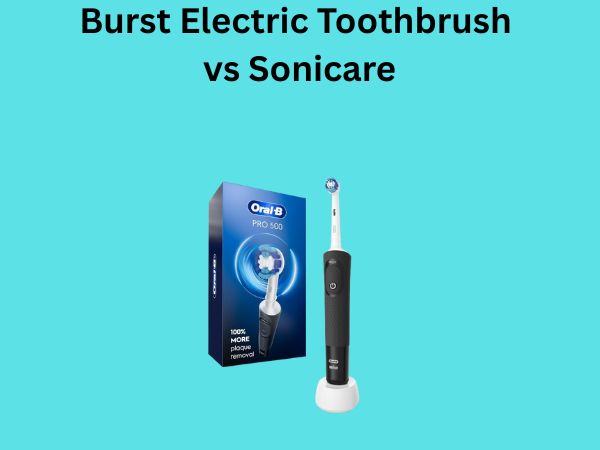
These toothbrushes, like the famous Oral-B models, vibrate side-to-side and then rotate slightly. This creates a sophisticated cleaning action that mimics the technique dentists recommend. The oscillating motion is particularly effective at dislodging food particles and plaque from between your teeth and along the gum line. For stain removal, this technology has proven quite effective because the combination of motions really gets into all the nooks and crannies where stains hide.
Sonic Technology
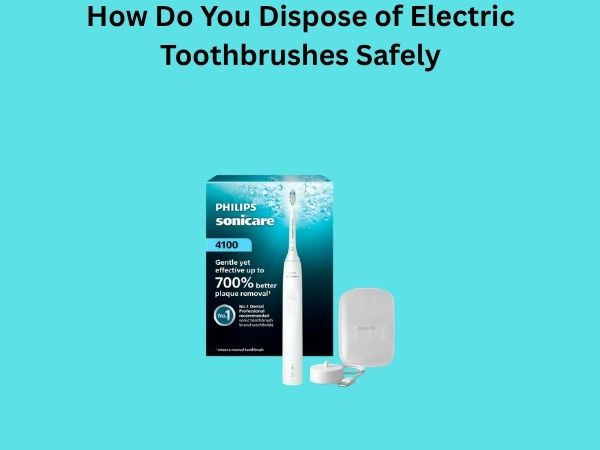
Sonic toothbrushes, like Sonicare, use ultrasonic vibrations at much higher frequencies—typically around 31,000 to 62,000 strokes per minute. These toothbrushes create a wave-like motion that some people find more gentle yet still incredibly effective. The high-frequency vibrations create what’s called a “fluid dynamic” action, which actually helps the toothpaste reach areas your brush bristles might miss. For removing surface stains, sonic toothbrushes are phenomenal because those vibrations really shake loose the stubborn stuff.
Ionic Toothbrushes
Some electric toothbrushes incorporate ionic technology, which releases negative ions. These ions are supposed to help loosen plaque and discoloration from your teeth. While the science here is a bit murkier, some users report good results with ionic models for brightening their smiles. It’s certainly worth considering, though the ionic aspect is often just one feature among several.
The Role of Whitening Toothpaste With Electric Toothbrushes
Here’s something crucial that many people overlook: the toothpaste you use matters enormously. You can have the fanciest electric toothbrush on the market, but if you’re using regular toothpaste, your results will be limited. Let me explain why.
Whitening Toothpaste Ingredients Explained
Whitening toothpastes contain mild abrasives and chemical agents that work together to remove stains. Common ingredients include silica, calcium carbonate, and sometimes peroxide compounds. When you combine these whitening agents with the powerful action of an electric toothbrush, you get a synergistic effect—meaning they work together better than either one alone. The electric toothbrush delivers the whitening agents more effectively to your teeth, and the toothpaste provides the chemical components that actually lift the stains.
Abrasive Level: Finding the Right Balance
The abrasiveness of whitening toothpaste is measured by something called the RDA (Relative Dentin Abrasivity) value. You want something effective but not so abrasive that it damages your enamel. Most whitening toothpastes fall in the 70-200 RDA range, which is generally safe for regular use with an electric toothbrush. Avoid anything over 250 RDA if you’re using it daily with an electric brush.
Electric Toothbrushes Versus Manual Brushing: The Comparison
Let’s settle this debate once and for all. Can an electric toothbrush whiten teeth better than manual brushing? The answer is a resounding yes, but with caveats.
Effectiveness Data From Dental Studies
Research consistently shows that electric toothbrushes remove plaque and stains more effectively than manual brushing. A study published in the Journal of Dental Hygiene found that electric toothbrushes reduced visible plaque by up to 21% more than manual brushes. Since plaque and staining are closely related, this translates to better stain removal. Most people also simply can’t achieve the speed and precision of an electric toothbrush by hand, no matter how thorough they think they are.
The Consistency Factor
Here’s something many people don’t consider: consistency. With an electric toothbrush, you’re getting the same vibration speed and pressure every single time you brush. With manual brushing, you’re dependent on your technique, energy level, and how much effort you put in that particular morning. It’s easier to be consistent and thorough with an electric toothbrush, which means better long-term results for whitening.
Real Results: What You Can Actually Expect
I want to be honest with you here. If you’re expecting electric toothbrushes to transform your teeth from yellow to Hollywood white, you’ll be disappointed. That kind of transformation requires professional whitening or bleaching treatments. However, if you’re looking for noticeable improvement in the brightness of your smile, electric toothbrushes can definitely deliver.
Timeline for Visible Results
Most people notice a difference within two to four weeks of switching to an electric toothbrush with whitening toothpaste. You might see your teeth look a bit brighter, feel smoother, and generally more vibrant. The improvement typically stabilizes after about three months—you won’t keep getting whiter and whiter indefinitely, but you’ll maintain that brighter appearance.
Individual Variation in Results
Your results will depend on several factors. The natural color of your teeth (determined by genetics and dentin thickness), the types of stains you have, your diet, and your starting point all play roles. Someone with heavy coffee stains will see more dramatic improvement than someone whose teeth are just naturally a bit dull. This is important to understand so you don’t get frustrated if your results aren’t as dramatic as someone else’s.
Maximizing Your Electric Toothbrush’s Whitening Potential
If you want to get the best results from your electric toothbrush, follow these strategies.
Choose the Right Toothbrush Model
Not all electric toothbrushes are equal when it comes to whitening. Look for models with oscillating-rotating or high-frequency sonic technology. Brands like Oral-B, Sonicare, and Colgate have models specifically designed with whitening in mind. Read reviews and specifications to find one that matches your needs and budget.
Invest in Quality Whitening Toothpaste
Don’t cheap out on toothpaste. A good whitening toothpaste from a reputable brand will make a noticeable difference. Look for products with proven whitening agents and reasonable RDA scores. Some of the best options include brands that are ADA-approved.
Technique and Timing Matters
Spend at least two minutes brushing, ideally twice daily. Make sure you’re brushing all surfaces of your teeth, not just the fronts. Many people focus on visible surfaces and neglect the backs, where stains accumulate too. Gentle pressure is best—you don’t need to push hard with an electric brush; let the vibrations do the work.
Avoid These Common Mistakes
- Using the toothbrush immediately after consuming acidic foods or drinks
- Brushing too hard, which can damage enamel
- Skipping flossing, which means stains accumulate between teeth
- Expecting overnight results and giving up too soon
- Using outdated or worn-out brush heads
Addressing Potential Drawbacks and Concerns
While electric toothbrushes are generally safe and effective, there are some things to be aware of.
Enamel Damage: Myth or Reality?
Some people worry that electric toothbrushes damage tooth enamel. The truth is, when used correctly, they don’t. The vibrations are rapid but gentle when applied with proper technique. However, using excessive pressure or brushing too hard can cause problems. Modern electric toothbrushes have pressure sensors specifically to prevent this. If you have sensitive teeth or thin enamel, choose a gentler model and consult your dentist.
Sensitivity Issues
Whitening toothpaste can sometimes cause tooth sensitivity, especially if you already have sensitive teeth. If you experience discomfort, you have options. Use the toothpaste less frequently, alternate it with regular toothpaste, or switch to a sensitivity-formulated whitening product. Many brands now offer whitening options specifically for sensitive teeth.
The Cost Factor
Quality electric toothbrushes aren’t cheap. A good one costs $50 to $300, plus replacement heads every three months. However, compared to professional whitening treatments or frequent dental cleanings, this is relatively affordable. Think of it as an investment in your smile and overall dental health.
Long-Term Benefits Beyond Just Whitening
Here’s something wonderful about electric toothbrushes: whitening is just one benefit. These devices improve your overall oral health, which actually helps maintain a brighter smile long-term.
Improved Gum Health
Electric toothbrushes reduce gum inflammation and bleeding. Healthier gums contribute to a brighter overall smile because inflamed gums look darker and less vibrant. Plus, the reduction in gum disease means less buildup and discoloration over time.
Plaque Control and Prevention
By removing plaque more effectively, electric toothbrushes help prevent buildup that darkens your smile. This proactive approach means your teeth stay naturally brighter because they’re healthier. It’s preventative whitening, in a sense.
Cavity Prevention and Longevity
Better cleaning means better cavity prevention. Fewer cavities and fillings mean fewer dark spots on your teeth, contributing to a whiter overall appearance. Plus, your teeth last longer and look better when they’re properly maintained.
Combining Electric Toothbrushes With Other Whitening Methods
If you want maximum whitening results, you don’t have to choose between electric toothbrushes and other methods—you can combine them.
Electric Toothbrushes Plus Professional Whitening
Using an electric toothbrush as your daily maintenance tool while occasionally getting professional whitening treatments at your dentist’s office is the sweet spot for many people. The professional treatments give you the dramatic results, and the electric toothbrush maintains them between appointments.
Electric Toothbrushes Plus Whitening Strips or Trays
You can use electric toothbrushes alongside over-the-counter whitening strips or custom trays. Just make sure you’re not using too many whitening products simultaneously, as this can increase sensitivity.
Conclusion
So, does an electric toothbrush whiten teeth? The answer is yes, but with the important clarification that it primarily removes surface stains rather than chemically whitening your teeth. When you combine a quality electric toothbrush with whitening toothpaste and proper brushing technique, you’ll notice a meaningful improvement in the brightness and overall appearance of your smile.
The beauty of electric toothbrushes is that they’re not just about whitening—they’re a complete oral health solution. You’ll get whiter teeth, healthier gums, better plaque control, and a more vibrant smile that reflects your improved dental hygiene. For most people, switching to an electric toothbrush is one of the best investments they can make for their oral health and appearance.
The path to a brighter smile doesn’t require expensive professional treatments or dramatic procedures. Sometimes, it’s as simple as upgrading your toothbrush and being consistent with your daily routine. Give it a few weeks, be patient, and you’ll be amazed at what a quality electric toothbrush can do for your smile.