How Electric Toothbrush Works: A Complete Guide to Modern Dental Cleaning Technology
Have you ever wondered what’s happening inside that vibrating device you stick in your mouth every morning? Electric toothbrushes have become incredibly popular over the last couple of decades, and for good reason. They’re not just fancy gadgets—they’re backed by legitimate science that shows they can clean your teeth more effectively than traditional brushing. But understanding how they actually work can help you get the most out of your investment and maintain better oral health overall.
Let me walk you through everything you need to know about the mechanics behind electric toothbrushes, from the basic components to the different technologies that power them.
Understanding the Basic Components of an Electric Toothbrush
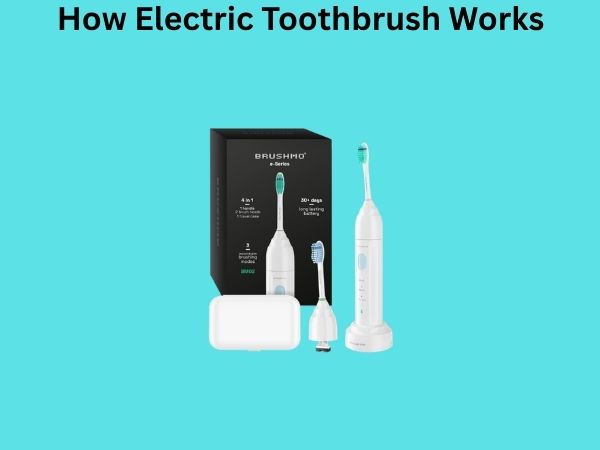
Before diving into how these devices function, let’s break down what makes up an electric toothbrush. Think of it like understanding a car before you learn how to drive it—the individual parts make more sense once you see how they fit together.
The Motor: The Heart of the Operation
At the core of every electric toothbrush is a motor. This isn’t your typical household motor—it’s specially engineered to create rapid oscillations or vibrations rather than producing steady rotational power. The motor is typically housed in the handle of the toothbrush and operates on electricity supplied by a rechargeable battery or replaceable batteries, depending on your model.
The motor’s job is straightforward: it needs to move the brush head hundreds or thousands of times per minute. We’re talking about frequencies that would be absolutely exhausting to achieve manually. This is where the real advantage of electric toothbrushes comes into play compared to manual brushing.
The Battery System
The power source is crucial to how your electric toothbrush operates. Most modern electric toothbrushes use rechargeable lithium-ion batteries, which have revolutionized the industry. These batteries can hold a charge for weeks in some cases, making them convenient for daily use and travel.
When you place your toothbrush on the charging dock, electrical current flows through charging contacts and replenishes the battery. Some toothbrushes use inductive charging, where energy transfers wirelessly through magnetic fields—no physical contact needed. This design is particularly popular because it keeps the charging connection waterproof and protected.
The Brush Head and Bristles
The brush head is where all the action happens. It’s the part that actually touches your teeth, and the bristles are what do the cleaning work. Electric toothbrush bristles are typically softer than manual toothbrush bristles because the rapid movement already provides plenty of cleaning power. Using softer bristles helps protect your gums from damage that could occur from excessive force.
Different electric toothbrushes have different brush head designs, and this affects how they clean. Some have bristles arranged in circular patterns, while others use longer, thinner bristles that are designed to reach between teeth and along the gumline more effectively.
The Two Main Technologies Behind Electric Toothbrushes
Not all electric toothbrushes work the same way. There are two primary technologies that power most electric toothbrushes on the market today, and each has its own advantages.
Oscillating-Rotating Technology
This is the most common technology you’ll find in electric toothbrushes, particularly those from brands like Oral-B. Here’s what happens: the motor causes the brush head to rotate back and forth rapidly, typically between 3,000 and 7,600 times per minute, depending on the model and the setting you choose.
Imagine a pendulum swinging back and forth. Now speed that up to thousands of times per second, attach bristles to the end of it, and you’ve got an oscillating brush head. The brush head moves in one direction, then swiftly reverses direction, creating a scrubbing motion that loosens plaque and food debris from your teeth.
Some advanced models combine this oscillating motion with a slight pulsating action. This added pulsation—typically 30,000 to 40,000 pulses per minute—helps drive the bristles deeper into spaces between teeth and along the gumline, potentially improving the cleaning action even further.
Sonic Vibration Technology
Sonic toothbrushes, often made by brands like Sonicare, work differently. Instead of oscillating back and forth, they vibrate at extremely high frequencies. We’re talking about 31,000 to 62,000 vibrations per minute in some cases—that’s ultrasonic speed for you.
These vibrations move the bristles so fast that the human eye can barely perceive the motion. The brush head vibrates side-to-side at these incredible frequencies, creating a cleaning action that’s almost impossible to replicate manually. Some sonic toothbrushes add a slight vertical movement component to enhance cleaning further.
What’s particularly interesting about sonic technology is that the vibrations create fluid dynamics—essentially, they generate wave patterns in the saliva and water in your mouth. These fluid waves help dislodge plaque and bacteria from areas the bristles can’t directly reach, making them quite efficient cleaning machines.
How the Bristle Movement Removes Plaque
Now that you understand the two main technologies, let’s talk about what actually happens when those bristles hit your teeth.
The Mechanical Plaque Removal Process
Plaque is basically a sticky film of bacteria and food particles that clings to your teeth. Your electric toothbrush’s bristles, moving at incredible speeds, physically scrub this plaque away from the tooth surface. The repetitive motion is key here—it’s like shaking something off rather than just wiping it.
When bristles oscillate or vibrate at high speeds, they create a scrubbing action that’s far more effective than the manual back-and-forth motion most people use with regular toothbrushes. Research shows that people typically brush with only about 600 strokes per minute when doing it manually, while an electric toothbrush might deliver 5,000 to 62,000 oscillations or vibrations in that same minute.
The bristles essentially bombard the plaque with thousands of tiny impacts per minute, breaking its hold on your teeth. The more strokes or vibrations, the more complete this removal tends to be.
Reaching the Difficult Areas
One major advantage of electric toothbrushes is their ability to clean areas that are hard to reach with manual brushing. The spaces between teeth and the area where your gum meets your tooth are notorious trouble spots for plaque buildup.
Because electric toothbrushes do the work for you, you can position them more precisely without worrying about applying the right manual motion. You simply guide the brush along your teeth, and the oscillation or vibration does the cleaning work. This is especially helpful for people with arthritis, limited dexterity, or those who simply haven’t mastered proper brushing technique with a manual brush.
The Role of Water and Saliva in the Cleaning Process
Here’s something many people don’t think about: your electric toothbrush doesn’t just clean your teeth through mechanical action alone. The liquid environment in your mouth plays an important role too.
How Vibrations Create Fluid Dynamics
With sonic toothbrushes especially, the high-frequency vibrations create waves in the water and saliva surrounding your teeth. These waves can reach areas the bristles themselves cannot directly contact. It’s similar to how ultrasound works in other medical applications—the vibrations create pressure waves that can penetrate and affect things at a microscopic level.
This fluid dynamic action helps remove bacteria and debris from below the gumline and between teeth, areas that are particularly vulnerable to plaque buildup and gum disease. It’s one reason why sonic toothbrushes are often recommended for people with periodontal issues.
The Importance of Toothpaste Interaction
Your toothpaste isn’t just along for the ride. The fluoride and abrasive agents in toothpaste become distributed more effectively throughout your mouth thanks to the rapid motion of your electric toothbrush. The vibration or oscillation helps push the toothpaste into crevices and between teeth, maximizing its protective and cleaning benefits.
Additionally, the action of the bristles creates micro-bubbles and enhances the overall cleaning capability of the toothpaste formula. It’s why dentists often recommend using electric toothbrushes in combination with quality toothpaste for optimal oral health.
Smart Features and Built-In Technology
Modern electric toothbrushes aren’t just about the basic cleaning mechanism anymore. Many include smart features that enhance the brushing experience and help you maintain better oral hygiene habits.
Pressure Sensors and Gum Protection
Have you ever pressed too hard with your toothbrush and damaged your gums? Many electric toothbrushes now include pressure sensors that detect when you’re applying too much force. When you exceed the safe pressure level, the toothbrush either vibrates differently to alert you or automatically reduces power to protect your gums.
This is a game-changer for people who have a tendency to brush aggressively. Your gums are delicate, and overzealous brushing can lead to gum recession and sensitivity. The pressure sensor essentially acts as a built-in coach, teaching you proper brushing technique.
Timer Functions and Quadrant Cleaning Modes
Most dentists recommend brushing for two minutes. However, many people don’t actually brush for the full recommended time. Electric toothbrushes address this with built-in timers. Some even divide your mouth into quadrants—upper left, upper right, lower left, and lower right—and pulse differently every 30 seconds to remind you to move to the next section.
This smart feature ensures you’re spending adequate time on each area of your mouth, promoting more thorough and balanced cleaning. It takes the guesswork out of proper brushing technique.
Multiple Cleaning Modes
Different situations call for different cleaning approaches. That’s why many electric toothbrushes offer multiple modes:
- Daily Clean Mode: The standard setting for regular brushing
- Sensitive Mode: Reduced vibrations or oscillations for people with sensitive teeth
- Gum Care Mode: Gentler action focused on the gumline
- Whitening Mode: Enhanced cleaning to help remove surface stains
- Deep Clean Mode: Maximum power for thorough plaque removal
These different modes work by adjusting the frequency or intensity of the bristle movement, allowing you to customize your brushing experience based on your specific needs.
Why Electric Toothbrushes Are More Effective Than Manual Brushes
The evidence is pretty compelling. Numerous clinical studies have shown that electric toothbrushes, particularly oscillating and sonic varieties, are more effective at removing plaque than manual toothbrushes.
The Frequency Advantage
As I mentioned earlier, the sheer number of brush strokes or vibrations per minute is the primary advantage. Even someone with excellent brushing technique can’t manually match the frequency of an electric toothbrush. This increased frequency translates directly to more effective plaque removal.
Consistency and Proper Technique
With a manual toothbrush, your effectiveness depends on your technique. Are you brushing at the right angle? Are you reaching all your teeth? Are you spending enough time on each area? These are variables that many people don’t get right.
Electric toothbrushes eliminate much of this variability. As long as you position the brush correctly and let it do its job, you’re getting consistent, effective cleaning every single time. This is particularly beneficial for people who struggle with manual dexterity or those who simply haven’t been taught proper brushing technique.
Gum Health Improvements
Studies have specifically shown improvements in gum health among electric toothbrush users. When plaque is removed more effectively, your gums are healthier, inflammation decreases, and you’re less likely to develop gum disease. This is one of the most significant health benefits of switching to an electric toothbrush.
Understanding Different Brush Head Designs
Not all brush heads are created equal. The design and shape of your brush head can affect how well it cleans and how comfortable it feels in your mouth.
Round Brush Heads
The classic round brush head is smaller and more maneuverable. It’s particularly good for reaching back teeth and for people with smaller mouths. The circular motion of oscillating toothbrushes works especially well with this design, and the small head allows for precise positioning along the gumline.
Elongated Brush Heads
Elongated heads are more similar to traditional manual toothbrush shapes. They cover a larger surface area with each stroke, potentially making your brushing session faster. Many sonic toothbrushes use this design because the high-frequency vibrations distribute efficiently across the larger surface.
Specialty Brush Head Designs
Some manufacturers offer specialized brush heads designed for specific purposes. These might include angled bristles for better gumline cleaning, extra-soft bristles for sensitive teeth, or concentrated bristle patterns for whitening.
The Power Settings and What They Mean
Most electric toothbrushes have multiple power settings. Understanding what these settings do can help you get the most from your device.
Low Power Settings
These reduced-intensity settings deliver fewer oscillations or vibrations per minute. They’re gentler on your teeth and gums and are ideal if you have sensitive teeth or recently had gum surgery. They still provide effective cleaning, just with less aggressive action.
Medium Power Settings
This is the Goldilocks zone for most people—effective cleaning without being overly aggressive. It’s usually the default setting and what most people should use for daily brushing.
High Power Settings
Maximum power delivers the highest frequency oscillations or vibrations. This setting provides the most aggressive plaque removal and is great for people with heavy plaque buildup, but shouldn’t be used daily for extended periods as it can be harsh on gums.
Battery Life and Charging Mechanisms
Understanding how your toothbrush charges and how long it operates is practical knowledge that affects your daily use.
Rechargeable Battery Performance
Modern lithium-ion batteries in electric toothbrushes typically need charging every one to three weeks with normal daily use. The exact timeframe depends on how long you brush each day and what power setting you use. Some premium models claim to hold a charge for up to three weeks of twice-daily brushing.
Wireless Charging vs. Contact Charging
Contact charging requires you to align metal pins on the toothbrush with pins on the charging stand. Wireless inductive charging is more convenient and more waterproof, as there are no exposed metal contacts. If you travel frequently or care about durability, wireless charging might be worth the extra investment.
Maintenance and Care of Your Electric Toothbrush
To keep your electric toothbrush working optimally and efficiently, proper maintenance is important.
Cleaning the Brush Head
After each use, rinse the brush head thoroughly under running water to remove toothpaste residue and debris. This prevents bacterial buildup and extends the life of your bristles. Most brush heads should be replaced every three months, similar to manual toothbrushes.
Handle and Motor Care
While the brush