Best Electric Toothbrush: Philips vs Oral-B – Which Wins?
Navigating the electric toothbrush landscape in 2026 can feel like you’re staring down two titans of oral hygiene, and frankly, it’s a tough call. Philips Sonicare and Oral-B have long held the crown, and their relentless pursuit of innovation means they’re packing some serious tech. While both deliver a stellar clean, the “best” electric toothbrush isn’t a one-size-fits-all situation. We’re here to cut through the noise and help you find the perfect match for your smile.
Understanding Electric Toothbrush Technology: The Basics
Before we dive into comparing these two powerhouses, let’s talk about how electric toothbrushes actually work. Unlike your standard manual toothbrush, electric toothbrushes use motorized vibrations or rotations to clean your teeth more efficiently. Think of it like the difference between hand-washing a car and taking it through a car wash—one gets the job done, but the other does it faster and often more thoroughly.
How Sonic Technology Works
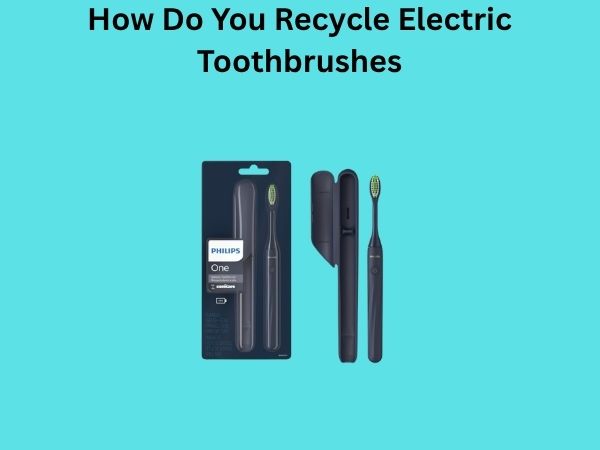
Philips Sonicare relies on sonic vibration technology. Their toothbrushes vibrate at extremely high speeds—we’re talking thousands of vibrations per minute. These rapid oscillations create a dynamic fluid action that doesn’t just scrub your teeth; they actually push water and toothpaste deeper between your teeth and below the gum line. It’s like having a tiny dental professional working in your mouth 24/7, reaching places you might miss with manual brushing.
How Rotation-Oscillation Technology Works
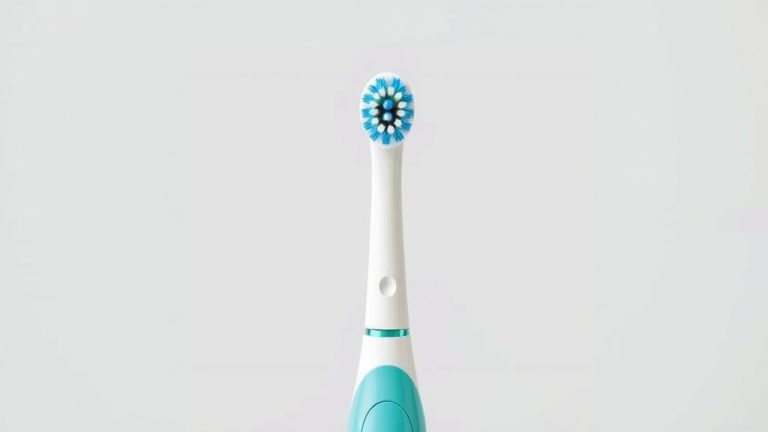
Oral-B takes a different approach with their rotation-oscillation technology. Their brush heads rotate back and forth in quick, precise movements, combined with micro-vibrations. This motion mimics the technique dentists recommend for proper brushing, where you’re moving the brush in small circular motions across your teeth. The combination of rotation and oscillation creates a clinically proven clean that many people find incredibly effective.
Philips Sonicare: The Sonic Revolution
Let me start by saying that Philips Sonicare has genuinely revolutionized how many people approach their daily oral hygiene. The brand has built its reputation on sonic technology, and they’ve perfected it over decades of research and development.
What Makes Philips Stand Out
Philips Sonicare toothbrushes are known for their sleek design and user-friendly approach. Most models come with various brushing modes tailored to different needs—whether you have sensitive teeth, need whitening, or want a gentle clean. The smart pressure sensors are fantastic because they prevent you from brushing too hard, which can damage your gums over time. I appreciate how thoughtful this feature is, especially for people who tend to be aggressive with their brushing.
Popular Philips Sonicare Models
- Philips Sonicare DiamondClean – Premium model with multiple cleaning modes and a sleek charging system
- Philips Sonicare ProtectiveClean – Great mid-range option with essential features
- Philips Sonicare FlexCare – Budget-friendly choice without compromising on quality
- Philips Sonicare 9000 – High-tech option with artificial intelligence and app connectivity
Advantages of Philips Sonicare
One thing I genuinely love about Philips Sonicare is how gentle they feel in your mouth. The sonic vibrations don’t feel harsh—instead, they create a pleasant, almost massaging sensation. If you have sensitive teeth or gum recession, this gentler approach might be exactly what you need. Additionally, many Sonicare users report that they achieve great plaque removal without needing to do much work themselves. You simply hold the brush at the right angle and let the technology do the heavy lifting.
The battery life on most Philips Sonicare models is impressive too. Many can run for three weeks between charges, which is perfect if you travel frequently. Their charging systems have also evolved, with some models featuring USB or magnetic chargers that are incredibly convenient.
Potential Drawbacks of Philips Sonicare
Now, let’s be honest about the downsides. Philips Sonicare toothbrushes tend to be on the pricier side compared to some Oral-B alternatives. If you’re working with a tight budget, this might be a consideration. Additionally, some users find the vibration sensation unusual at first, though most adapt within a few days of use. The replacement brush heads are also generally more expensive than Oral-B alternatives, which could add up over time.
Oral-B: The Clinical Choice
Oral-B has been trusted by dentists for decades, and there’s actually good reason for this professional endorsement. Their rotation-oscillation technology has earned recognition from dental associations worldwide, which speaks volumes about its effectiveness.
What Makes Oral-B Different
Oral-B’s approach is more clinical and science-backed. Many dentists specifically recommend Oral-B because the rotation-oscillation motion closely mimics the brushing technique that dental professionals teach. If you’ve ever received brushing instructions from your dentist, you’ve probably been told to use small circular motions—that’s essentially what Oral-B does automatically for you.
Popular Oral-B Models
- Oral-B iO Series – Latest technology with magnetic wave motion and AI capabilities
- Oral-B Genius – Smart toothbrush with real-time feedback and app connectivity
- Oral-B Pro – Professional-grade with multiple modes at a reasonable price point
- Oral-B Junior – Specifically designed for children with fun designs and kid-friendly features
Advantages of Oral-B
The clinical validation of Oral-B’s technology is a major plus. If you have orthodontic work, implants, or specific dental concerns, Oral-B offers targeted modes that address these issues. Their brush heads are also incredibly diverse—you can find specialized heads for whitening, gum care, tongue cleaning, and more. This modularity means you can customize your brushing experience without buying a completely new toothbrush.
Pricing is another advantage. You can find reliable Oral-B models at various price points, making quality electric toothbrush technology accessible to more people. The replacement brush heads are generally cheaper than Sonicare alternatives, which is great for your long-term budget.
Potential Drawbacks of Oral-B
Some users find the rotation-oscillation motion more aggressive than they prefer, particularly if they have very sensitive teeth or gum recession. The vibration pattern can also feel ticklish to some people, which takes getting used to. Additionally, while Oral-B makes excellent products, their cheaper models sometimes feel less premium than comparable Sonicare options, even if the cleaning performance is equally good.
Head-to-Head Comparison: The Details That Matter
Cleaning Power and Effectiveness
Let’s address the elephant in the room: which one cleans better? The honest answer is that both are clinically proven to remove plaque effectively and improve gum health. Multiple studies show that when used correctly, either technology delivers excellent results. The difference isn’t about one being vastly superior—it’s about which motion feels more comfortable and effective for your individual mouth and brushing style.
Comfort and Feel
Philips Sonicare tends to feel gentler and more subtle. The high-frequency vibrations are less noticeable than the active motion you feel with Oral-B. If comfort is your priority, especially if you have sensitive gums, Sonicare might edge ahead. However, if you like feeling the brush actively working, Oral-B’s rotation-oscillation provides more tangible feedback.
Price Range and Value
Oral-B offers better price-to-value ratio for budget-conscious consumers. You can get a solid performer for $50-100, whereas Philips Sonicare entry models typically start around $100. At the premium end, both brands offer feature-rich models in the $200-300 range.
Battery Life
Philips Sonicare generally offers longer battery life, with many models lasting 2-3 weeks per charge. Oral-B models typically last 7-10 days, requiring more frequent charging. If you travel or prefer charging less often, Sonicare has the advantage here.
Smart Features and App Integration
Both brands now offer smart models that connect to your smartphone via Bluetooth. These apps provide real-time brushing feedback, tracking, and personalized recommendations. If you love data and want motivation to brush better, both brands deliver here. Philips Sonicare’s Sonicare 9000 and Oral-B’s Genius series both offer impressive AI-driven features.
Brush Head Replacement Costs
This is where Oral-B pulls ahead. Replacement heads are generally $15-30, whereas Sonicare replacements run $25-50. Over several years, this difference adds up significantly. If you’re already committed to electric toothbrushes for life, budget for these ongoing costs.
Special Considerations for Different Dental Needs
If You Have Sensitive Teeth
Philips Sonicare might be your better choice. The gentler vibration motion and sensitive mode options make it ideal for people with enamel sensitivity. Many Sonicare users with sensitive teeth report significant improvement in comfort when switching from manual brushing.
If You Have Gum Disease or Recession
Both brands have excellent options, but Philips Sonicare’s gentle approach combined with their gum care modes makes it a smart choice. However, Oral-B’s gum care modes are equally effective for many people. The best choice depends on whether you prefer gentler vibrations or active rotation. Always consult your dentist for personalized recommendations.
If You Have Orthodontic Work
Oral-B’s diverse brush head options, including specialized orthodontic heads, give them an edge here. Their rotation-oscillation motion also works particularly well around brackets and wires. Philips Sonicare can work fine too, but Oral-B feels more purpose-built for this situation.
If You Want Whitening Results
Both brands offer whitening modes and whitening toothpaste recommendations. Neither is dramatically better than the other for whitening, as the toothpaste and your natural tooth color play bigger roles. Choose based on which technology feels better to you.
If You’re on a Budget
Oral-B offers better entry-level options without sacrificing too much quality. You can get a reliable Oral-B for $50-70, whereas comparable Sonicare models cost more. However, consider the long-term replacement costs for brush heads when making your decision.
Real User Experiences: What People Actually Say
After reviewing countless user testimonials and hearing from people who use both brands, some patterns emerge. Sonicare users frequently mention the gentle feeling and the sense that the toothbrush is doing most of the work for them. Oral-B users often highlight the clinical effectiveness and the satisfying feeling of the active brushing motion. Interestingly, many people are loyal to whichever brand they started with, suggesting that once you adapt to one technology, you tend to stick with it.
Common Praise for Philips Sonicare
- Gentle and comfortable, especially for sensitive teeth
- Longer battery life between charges
- Premium feel and design aesthetics
- Quiet operation compared to Oral-B
- Excellent gum health improvements
Common Praise for Oral-B
- Better price-to-value ratio
- More affordable replacement brush heads
- Diverse brush head options for different needs
- Clinically proven and dentist-recommended
- Tangible brushing sensation that some prefer
Making Your Final Decision
Here’s the truth: you can’t go wrong with either brand if you choose a model that suits your budget and preferences. Both Philips Sonicare and Oral-B deliver excellent oral hygiene results when used consistently and correctly. The real winner is whichever one you’ll actually use every single day, because consistency matters more than perfection when it comes to dental health.
If I had to give you a straightforward recommendation framework, here’s how I’d break it down: Choose Philips Sonicare if you prioritize gentleness, longer battery life, and don’t mind paying a premium for a more luxurious experience. Choose Oral-B if you want the best value for money, appreciate the clinical backing of the technology, or need flexibility with brush head options.
Consider visiting a dental supply store where you might be able to try both in person, if possible. That hands-on experience can be invaluable. Also, talk to your dentist about their recommendation—they know your specific dental situation better than anyone and can point you toward the best choice for your teeth and gums.
Conclusion
The battle between Philips Sonicare and Oral-B doesn’t have a clear winner because both brands excel at what they do. Philips Sonicare wins in the categories of gentleness, battery life, and premium design. Oral-B claims victory in affordability, brush head variety, and clinical validation. The question isn’t which is objectively better—it’s which aligns better with your personal preferences, dental needs, and budget.
Ultimately, the best electric toothbrush is the one that encourages you to maintain excellent oral hygiene habits. Whether you choose the sonic vibrations of Philips Sonicare or the clinically proven rotation-oscillation of Oral-B, you’re making a smart investment in your dental health. Your smile will thank you for choosing either option and using it consistently. So stop overthinking this decision, pick the one that resonates with you, and get started on your journey toward healthier teeth and gums today.
Frequently Asked Questions
Is Philips Sonicare really better than Oral-B for sensitive teeth?
Not necessarily better, but many people with sensitive teeth find it more comfortable because the sonic vibrations feel gentler than Oral-B’s rotation-oscillation motion. However, Oral-B has excellent sensitive mode options too. Your personal preference matters more than brand superiority. I’d recommend trying both if you have the opportunity before committing to one. Your gum health will improve with either brand if you use it correctly and consistently, so comfort and consistency should guide your decision.
How often should I replace electric toothbrush heads?
Most dentists recommend replacing brush heads every three months, or sooner if the bristles look frayed or bent. Both Philips Sonicare and Oral-B provide replacement heads on this schedule. Keep in mind that Oral-B replacement heads are generally cheaper, which adds up over time. Many people set calendar reminders to replace their heads quarterly, ensuring they always have optimal cleaning performance and bristle integrity.
Can children use adult electric toothbrushes from these brands?
Both Philips