Best Electric Toothbrush: Sonicare vs Oral-B Compared
When you’re standing in the toothbrush aisle trying to decide between Sonicare and Oral-B, you’re essentially choosing between two titans of oral hygiene. But here’s the thing—just because both brands are excellent doesn’t mean they’re identical. Let me walk you through everything you need to know to make the smartest choice for your teeth and your wallet
Why Electric Toothbrushes Matter More Than You Think
Let’s be honest—most of us aren’t brushing our teeth correctly with a manual toothbrush. We’re too aggressive, we miss spots, and we don’t spend enough time on problem areas. An electric toothbrush is like having a dental hygienist in your bathroom. It does the heavy lifting for you while you guide it along your teeth. The difference in plaque removal can be genuinely life-changing for your oral health.
Understanding Sonicare: Philips’ Vibration Powerhouse
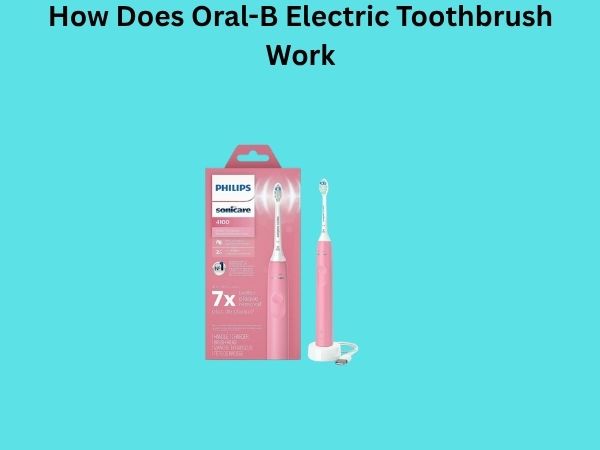
Sonicare, owned by Philips, has built its reputation on sonic technology. When you hold a Sonicare toothbrush, you’re experiencing rapid vibrations that create microscopic movements. We’re talking about thousands of brush strokes per minute—some models deliver up to 62,000 brush movements every single minute. That’s not just impressive; it’s genuinely revolutionary for oral care.
How Sonicare’s Technology Works
The magic of Sonicare lies in its sonic vibration system. Instead of the brush head rotating like a traditional electric toothbrush, it vibrates at an incredibly high frequency. These vibrations create a dynamic fluid pattern that’s supposed to push water and toothpaste into the spaces between your teeth and below your gum line. Think of it like a miniature power washer for your mouth—but infinitely gentler.
What really sets Sonicare apart is that these vibrations are paired with sensing technology in many models. The toothbrush actually knows when you’re pressing too hard and will gently back off. It also recognizes which quadrant of your mouth you’re brushing, ensuring you spend adequate time everywhere.
Sonicare Model Range and Options
Philips offers everything from entry-level models to premium versions. The budget-conscious can grab a basic model for under a hundred dollars, while those willing to spend can explore premium options with advanced features like app connectivity and artificial intelligence coaching.
Getting to Know Oral-B: The Oscillating Champion
Oral-B, owned by Procter and Gamble, takes a different approach entirely. Instead of vibrations, Oral-B uses an oscillating motion—the brush head rapidly moves back and forth in small, controlled movements. Most Oral-B models oscillate between 3,000 and 12,000 times per minute, depending on the specific model and power setting.
The Oscillation Technology Explained
Oral-B’s oscillating technology is more similar to the motion you’d make manually, but much faster and more consistent. The brush head moves side to side, which is a motion that naturally aligns with tooth brushing. Many dental professionals actually prefer this approach because it’s closer to the recommended brushing technique. The oscillation creates a scrubbing action that’s excellent at removing plaque from tooth surfaces.
What I find interesting is that Oral-B has been refining this technology for decades. They’ve got it down to a science, and the results speak for themselves. The brushes are extremely effective, and there’s extensive clinical research backing up their cleaning claims.
Oral-B’s Product Lineup
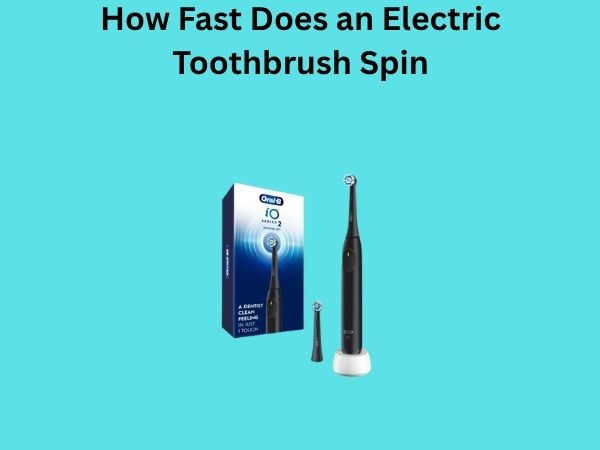
Just like Sonicare, Oral-B offers options across multiple price points. You can find decent models at the lower end, and their premium lines come with bells and whistles that would impress even the most tech-savvy user. Their iO line represents their newest innovation and shows just how seriously they take electric toothbrush development.
Brushing Technology: Sonic vs. Oscillating—Which Wins?
Here’s where it gets tricky. Both technologies are proven to clean teeth effectively. Multiple independent studies have shown that both Sonicare and Oral-B are significantly better than manual brushing. But which one is actually better?
The honest answer is that it depends on your specific needs. Sonic technology tends to create a gentler overall experience and is often recommended for people with sensitive gums or those who’ve had gum disease. The high-frequency vibrations can be soothing, and the fluid dynamic action is excellent at reaching tight spaces.
Oscillating technology, on the other hand, delivers a more direct cleaning action. If you have heavy plaque buildup or stubborn stains, you might notice results faster with Oral-B. The scrubbing motion is also more intuitive if you’re transitioning from manual brushing.
- Sonic Technology Benefits: Gentler, excellent for sensitive gums, great fluid dynamics
- Oscillating Technology Benefits: Direct cleaning action, great for plaque removal, more intuitive motion
Design and Ergonomics: How They Feel in Your Hand
Here’s something people don’t talk about enough—how the toothbrush actually feels when you’re using it every day. Design matters because you’re going to be holding this thing twice daily for the next several years.
Sonicare’s Design Philosophy
Sonicare toothbrushes tend to be sleek and modern-looking. The handles are usually slightly thinner, and the overall aesthetic is what you’d expect from a Philips product—clean, minimalist, and sophisticated. Most Sonicare models vibrate less noticeably throughout the handle, which many people prefer because it feels less jarring.
The brush heads on Sonicare models are typically smaller and more pointed, which can be great for precision but might feel less familiar if you’re coming from a manual brush.
Oral-B’s Design Approach
Oral-B handles tend to be slightly bulkier and more grip-oriented. They’ve designed their brushes with the understanding that people want something that feels substantial and easy to maneuver. The brush heads are often rounder and more traditional-looking, which can feel more natural if you’re new to electric toothbrushes.
One thing to note is that Oral-B’s oscillation creates more noticeable vibration throughout the entire handle. Some people love this tactile feedback, while others find it annoying.
Battery Life and Charging: The Practical Perspective
Battery life is one of those features that seems minor until it’s a problem. Imagine running out of battery in the middle of a trip—not ideal, right?
Sonicare Battery Performance
Most Sonicare models offer excellent battery life, typically lasting anywhere from two to three weeks on a single charge with regular use. Premium models sometimes stretch this even further. They use lithium-ion batteries, which are reliable and retain their charge capacity well over time.
Charging is straightforward—most models use an inductive charging dock, which is sleek and doesn’t require any exposed contacts. This also means they’re waterproof, which is important in a bathroom environment.
Oral-B Battery Life
Oral-B models typically offer similar battery life, with most lasting between one and three weeks depending on the model and your usage patterns. Their premium models are comparable to Sonicare’s in terms of longevity.
Oral-B uses a variety of charging methods. Some models use inductive charging like Sonicare, while others use direct USB charging. The USB approach is actually convenient for travelers because you can charge virtually anywhere with a USB power source.
Brush Head Options: Variety and Replacement Costs
Here’s something that affects your wallet long-term—replacement brush heads. You should be replacing them every three to four months, which means you’re going to be buying these regularly.
Sonicare’s Brush Head Selection
Philips offers numerous brush head options, from standard cleaning heads to specialized variants for sensitive teeth, gum health, or whitening. This variety is fantastic because you can customize your experience. However, the trade-off is that replacement heads are typically more expensive than Oral-B’s, often ranging from fifteen to thirty dollars depending on the variant.
Oral-B’s Brush Head Variety
Oral-B similarly offers multiple brush head types, and their ecosystem is equally impressive. The good news? Replacement heads are generally cheaper, often found for ten to twenty dollars, making it more budget-friendly over time. Plus, they’re extremely widely available at virtually every drugstore.
Smart Features and App Connectivity
In our connected world, toothbrushes now come with apps and smart features. Some people think it’s overkill; others find it genuinely helpful for improving their brushing habits.
Sonicare’s Smart Capabilities
Premium Sonicare models connect to a smartphone app that provides real-time feedback on your brushing technique. The app uses sensors in the toothbrush to tell you if you’re pressing too hard, missing spots, or not spending enough time on certain areas. There’s also a brushing history tracker, which sounds nerdy but actually helps you stay accountable.
Oral-B’s Smart Features
Oral-B’s premium models also offer app connectivity, and honestly, their implementation is equally impressive. Their app provides similar feedback and tracking capabilities. Some models even have artificial intelligence that learns your brushing patterns over time and provides personalized coaching.
The key difference is that Oral-B’s smart features are often found at slightly lower price points than Sonicare’s equivalent models, giving you more bang for your buck if smart features matter to you.
Price Point Analysis: What You’re Really Paying For
Let’s talk money because that’s ultimately what influences most purchasing decisions.
Entry-Level Options
Budget Sonicare models start around sixty to eighty dollars, while Oral-B entry-level options typically cost fifty to seventy dollars. At this price point, you’re getting a solid electric toothbrush with basic features. Both will dramatically improve your oral hygiene compared to manual brushing.
Mid-Range Choices
Mid-range Sonicare models (roughly one hundred to two hundred dollars) offer additional cleaning modes, better battery life, and sometimes basic app connectivity. Oral-B’s mid-range sits similarly, with comparable features at sometimes slightly lower price points.
Premium Tier
When you venture into the premium market (two hundred dollars and up), both brands offer their most advanced models. Premium Sonicare models come with multiple brush heads, sophisticated app integration, and travel cases. Oral-B’s premium line matches this offering and sometimes includes even more features at comparable prices.
The real question is whether premium features justify the cost. For most people, a mid-range option delivers ninety percent of the benefit at sixty percent of the cost.
Cleaning Effectiveness: The Bottom Line
Here’s what really matters—does it actually clean your teeth better? The answer is yes to both brands. Numerous clinical studies have demonstrated that both Sonicare and Oral-B significantly reduce plaque and gingivitis compared to manual brushing. In fact, when comparing them directly, the differences are often negligible. Both brands perform exceptionally well.
That said, individual results vary. Some people report noticing whiter teeth with Oral-B’s more vigorous oscillation. Others prefer Sonicare’s gentler approach and find their gums feel healthier. This comes down to personal preference and your specific dental needs.
If you have sensitive teeth or gum issues, Sonicare’s gentler sonic technology might be your better choice. If you want aggressive plaque removal and have healthy gums, Oral-B’s oscillating action might appeal to you more.
Durability and Warranty: Long-Term Investment Protection
Sonicare’s Durability Record
Philips Sonicare toothbrushes are known for lasting years without issues. The build quality is solid, and the brand typically offers a two-year warranty on most models. Users commonly report their Sonicare brushes functioning flawlessly for three to five years, which is impressive for an electronic device.
Oral-B’s Longevity
Oral-B toothbrushes are equally durable. The brand also typically offers two-year warranties, and user reports indicate similar longevity to Sonicare—three to five years of reliable service is common. Some users have reported issues with the on/off button wearing out after extended use, though this is relatively rare.
User Experience Across Different Groups
For Gum Disease Sufferers
If you’re dealing with gingivitis or periodontitis, Sonicare’s gentler approach often gets recommended by periodontists. The sonic vibrations are less likely to aggravate already sensitive tissues, and the fluid dynamic action is excellent for irrigation below the gum line.
For Cosmetic Conscious Users
Those primarily concerned with whitening and stain removal often prefer Oral-B’s oscillating action, which provides more direct contact with tooth surfaces. Both brands offer whitening modes, but users report slightly faster cosmetic results with Oral-B.
For First-Time Electric Toothbrush Users
If you’re transitioning from manual brushing, Oral-B’s oscillating motion feels more intuitive and familiar. The horizontal scrubbing motion aligns with how you’ve been brushing manually. Sonicare’s vibration takes a bit of adjustment, though most people adapt quickly.
For Sensitive Teeth Sufferers
Here, Sonicare typically edges ahead. The high-frequency vibration is gentler on sensitive enamel, and they offer specific sensitive-mode settings that dial back intensity. If pain is a concern, Sonicare usually provides a better experience.
Environmental Considerations: Thinking Beyond Yourself
Sustainability matters more now than ever. Let’s consider the environmental impact of each brand.
Both Sonicare and Oral-B have made efforts toward sustainability. They offer brush heads that are less wasteful than some competitors. However, the replacement heads are still a consumable product, creating ongoing waste. Sonicare’s heads are slightly smaller, which means marginally less plastic waste, but the difference is minimal.
In terms of manufacturing and packaging, both companies have similar environmental profiles. If environmental impact is your primary concern, consider that using an electric toothbrush for several years is more sustainable than regularly replacing manual brushes—so choosing either brand and keeping it for years is your best environmental choice.