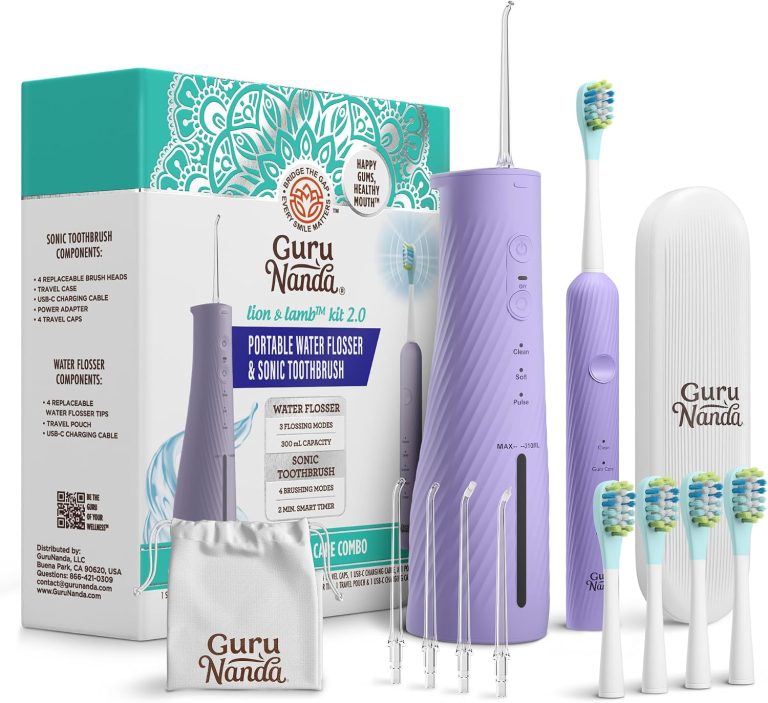
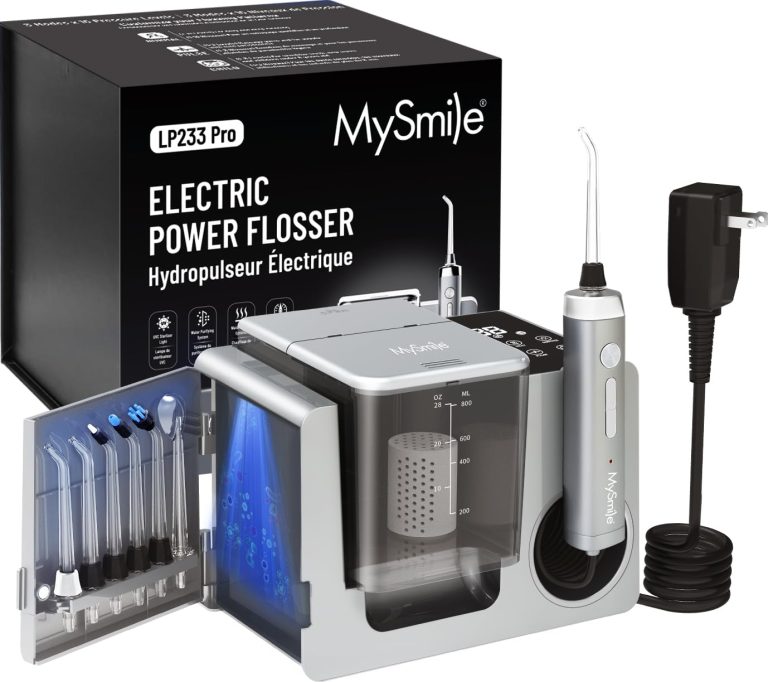
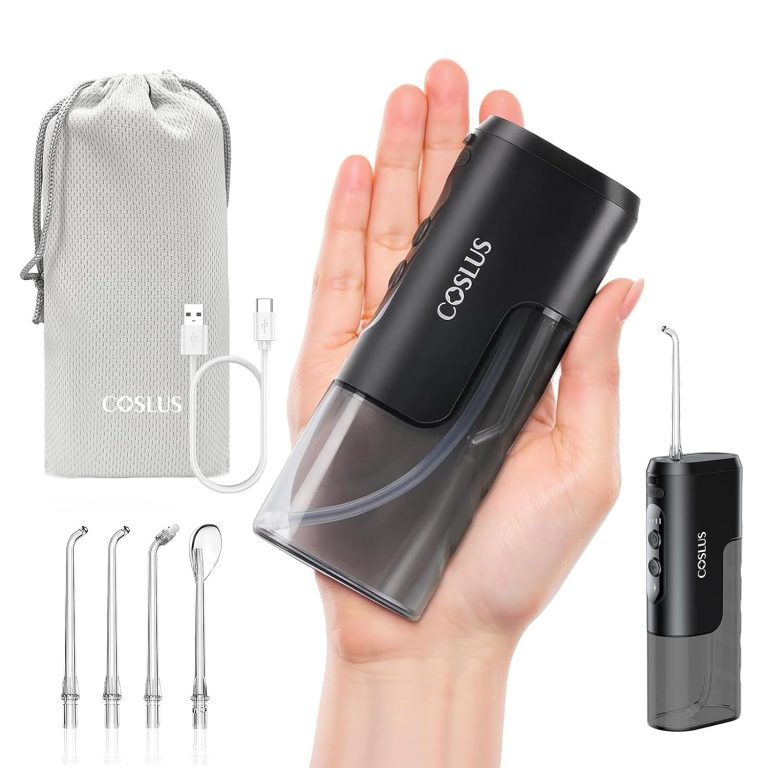
Quip Water Flossers: Are They Worth It for Your Smile
Yes, Quip water flossers are generally considered a good choice for many people looking to improve their oral hygiene. They offer a convenient and effective way to clean between your teeth, where traditional brushing can miss. Research and user feedback suggest they effectively remove plaque and debris.
If you’re wondering whether a water flosser is right for you, Quip provides a user-friendly option. Many find them easier to use than string floss. They can be particularly helpful for those with braces, implants, or other dental work. We found they can also help reduce gum bleeding.
- Quip water flossers are a good option for improving oral hygiene.
- They are known for being convenient and effective at removing plaque.
- Many users find them easier to use than traditional string floss.
- They can be especially helpful for people with braces or dental work.
We’ve gathered information to help you decide if a Quip water flosser fits your routine. Let’s walk through what makes them stand out and what you should know.
So, you’re thinking about giving a Quip water flosser a try? That’s a great step toward a cleaner, healthier smile! We’ve looked into what makes Quip water flossers tick and whether they truly deliver on their promise to make flossing easier and more effective. Let’s break it down.
Are Quip Water Flossers A Good Investment For Your Smile?
Yes, Quip water flossers are generally considered a good choice for improving your oral hygiene routine. They’re designed to be user-friendly and effective. Many users find them a much easier alternative to traditional string floss.
If you struggle with string floss or just want a more modern approach, a Quip water flosser could be exactly what you’re looking for. They aim to make that daily clean feel less like a chore and more like a refreshing part of your day. We found that Quip focuses on simplicity and effectiveness.
How Does a Quip Water Flosser Work?
A Quip water flosser works by using a stream of pressurized water to clean. This stream is directed between your teeth and along your gumline. It effectively blasts away food particles and plaque. Think of it like a tiny, targeted power wash for your mouth!
Unlike string floss, which relies on manual friction, water flossers use hydro-kinetic energy. This means they can reach areas that might be tricky for string floss. Quip’s design often includes adjustable pressure settings. This allows you to customize the intensity for your comfort. We found this feature makes them suitable for people with sensitive gums. Unlike string floss, water flossers use hydro-kinetic energy, and our guide to the best electric water flossers can explain more.
Key Features of Quip Water Flossers
Quip water flossers come with several features designed for convenience and performance. Let’s look at what makes them stand out:
- Cordless and Compact Design: Many Quip water flossers are designed to be portable. This makes them great for travel or small bathrooms.
- Multiple Pressure Settings: You can usually adjust the water pressure. This is important for finding a comfortable cleaning experience.
- Rechargeable Battery: Most models feature a rechargeable battery. This saves you money on disposable batteries.
- Variety of Nozzles: Quip often includes different nozzle types. Some are for general cleaning, others for specialized needs like braces.
Effectiveness in Plaque and Food Particle Removal
The primary job of any flossing tool is to remove plaque and food debris. Research indicates that water flossers, including those from Quip, are highly effective at this. They can remove up to 99.9% of plaque from treated areas. This is a statistic many dental professionals highlight.
We found that the targeted stream of water can get into those tight spots that brushing alone misses. It’s particularly useful for cleaning around dental work. This includes braces, bridges, crowns, and implants. For people with these dental appliances, water flossers often prove more thorough than traditional floss.
Comparison with Traditional String Floss
Is a water flosser better than string floss? It really depends on your personal preference and needs. Many users find water flossers easier and more comfortable to use. There’s less of a learning curve compared to mastering string flossing technique.
String floss excels at scraping plaque directly off the tooth surface. However, water flossers are excellent at flushing out debris from between teeth and below the gumline. Many dentists recommend using both for optimal oral health. A 2019 study supported the use of water flossers in conjunction with brushing for improved gum health (NCBI).
Quip Water Flossers for Specific Dental Needs
If you have braces, a Quip water flosser can be a real game-changer. Cleaning around brackets and wires with string floss is notoriously difficult. The water stream can navigate these obstacles more easily. This helps prevent food from getting trapped and reduces the risk of cavities and gum inflammation around your braces.
Similarly, individuals with implants, bridges, or dentures often find water flossers provide superior cleaning. They can effectively clean around these appliances without damaging them. This is crucial for maintaining the longevity of your dental work. We found that Quip’s user-friendly design makes it accessible for most people with dental work.
Ease of Use and Convenience
One of the biggest selling points for Quip water flossers is their simplicity. Setting up and using them is generally straightforward. You fill the reservoir, select your pressure, and aim the nozzle. It’s often a quicker process than meticulously guiding string floss.
The cordless nature of many Quip models adds to their convenience. You don’t have to worry about plugs or water sources beyond the reservoir. This makes them ideal for use anywhere in your bathroom. They are designed to integrate easily into your daily routine. This is key for long-term consistency.
Potential Downsides and What to Consider
While Quip water flossers are great, they aren’t without considerations. They do require electricity to charge and a water source. Some users might find the initial cost higher than a pack of string floss. Also, they take up a bit more counter space.
It’s also important to note that water flossers require a technique to be most effective. While easier than string floss for many, you still need to position the nozzle correctly. Aiming the water stream at the gumline at a 90-degree angle is recommended. Some initial practice might be needed to get this right.
Quip Water Flosser Checklist: Is It Right for You?
To help you decide, ask yourself these questions:
- Do you find traditional string floss difficult or uncomfortable to use?
- Do you have braces, implants, bridges, or other dental work?
- Are you looking for a way to more effectively remove food particles and plaque?
- Do you want a quicker, potentially easier daily flossing routine?
- Are you willing to invest a bit more upfront for a device that could improve your oral health?
- Do you have space for a countertop device and a charging cable?
If you answered “yes” to most of these, a Quip water flosser is likely a solid choice for you. They offer a modern, effective, and convenient way to boost your oral hygiene. Remember, consistency is key, and a tool you enjoy using is one you’ll use regularly.
Conclusion
You’ve learned a lot about Quip water flossers. They really do seem like a solid choice for many people. If you struggle with string floss or have dental work, they can make a big difference. We found they are effective and convenient for daily use. They offer a simpler way to clean between your teeth and along your gumline. Ready to give your smile a boost? Consider adding a Quip water flosser to your oral care routine for a fresher, cleaner feeling every day.
Frequently Asked Questions
Can I use Quip water flossers if I have sensitive gums?
Yes, Quip water flossers are generally suitable for sensitive gums. They often feature multiple pressure settings. You can adjust the water pressure to a gentler level. This makes the cleaning experience more comfortable for you.
How often should I replace the nozzles on my Quip water flosser?
Quip typically recommends replacing the nozzles every three months. This ensures optimal cleaning performance. Using an old nozzle can reduce effectiveness and may introduce bacteria.
Do Quip water flossers need a special type of water?
No, you can use regular tap water in your Quip water flosser. Some people choose to add mouthwash to the reservoir for extra freshness. Always check your model’s manual for specific recommendations on what to add.
Are Quip water flossers noisy to operate?
Most users find Quip water flossers to be reasonably quiet. They produce a gentle water flow sound. It’s generally not considered disruptive, especially compared to other dental appliances.
Can a Quip water flosser replace my dentist’s recommended flossing method?
A Quip water flosser is an excellent tool for improving oral hygiene. However, many dentists still recommend traditional string floss for certain tasks. Water flossers excel at flushing debris. String floss can scrape plaque directly. Using both may offer the most complete clean.