Water Flossers: Are They Really That Good for Your Teeth
Yes, water flossers are a great addition to your oral hygiene routine. Many dental professionals agree they can be very effective at removing plaque and food particles, especially for those who find traditional flossing tricky. They offer a gentler, yet thorough, clean.
If you’re wondering if a water flosser can replace string floss, the answer is usually no. However, we found that they complement string floss well. They are particularly helpful for people with braces, bridges, or implants. Using one can lead to healthier gums and a cleaner mouth overall.
- Water flossers are effective for cleaning.
- They help remove plaque and food debris.
- Good for braces, bridges, and implants.
- Best used alongside traditional flossing.
Ready to learn more about how they work and if one is right for you? Below, we break down what you need to know about water flossers.
Are Water Flossers Truly Effective for Your Oral Health?
So, you’re wondering if a water flosser is just another gadget or if it can genuinely improve your smile. We’ve looked into it, and the answer is a resounding yes! Many dental professionals agree that these devices can be incredibly effective for cleaning. They’re particularly helpful in dislodging stubborn plaque and pesky food particles that brushing alone might miss. Think of it as a targeted power wash for your teeth.
How Water Flossers Work Their Magic
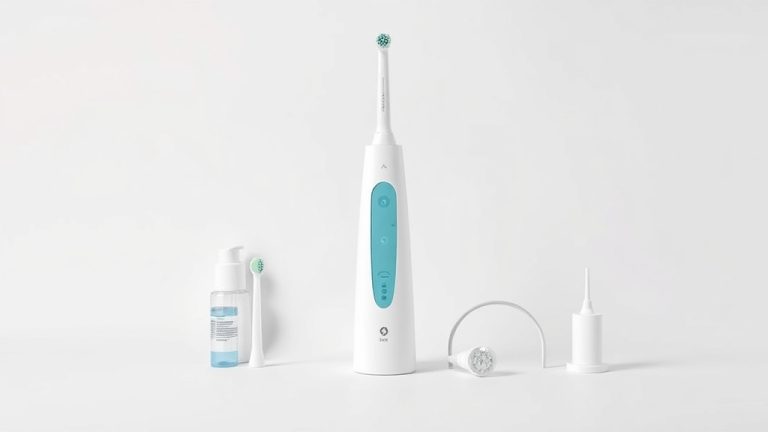
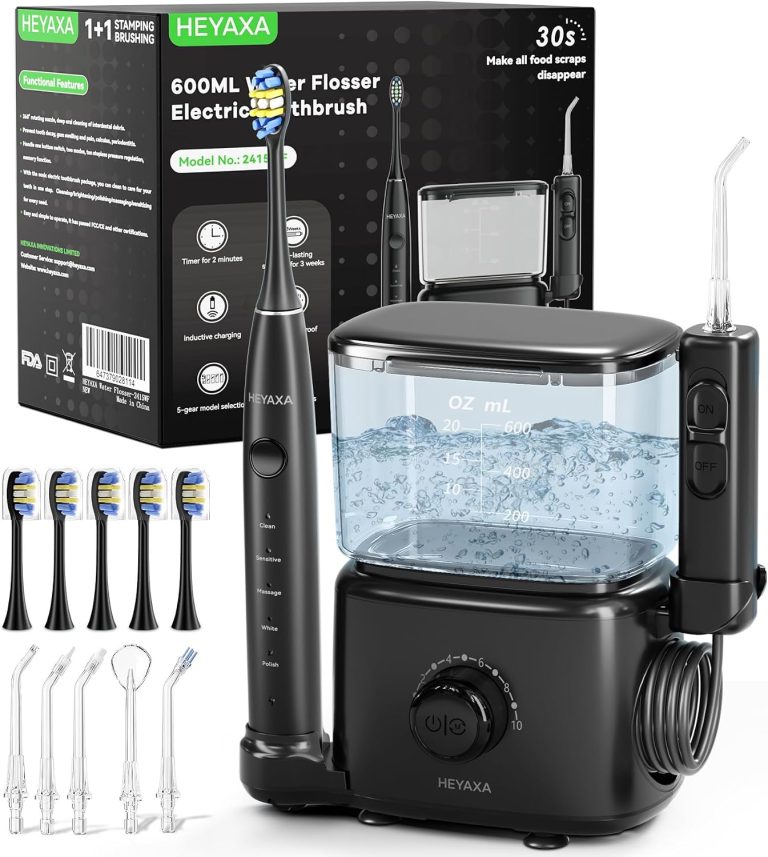
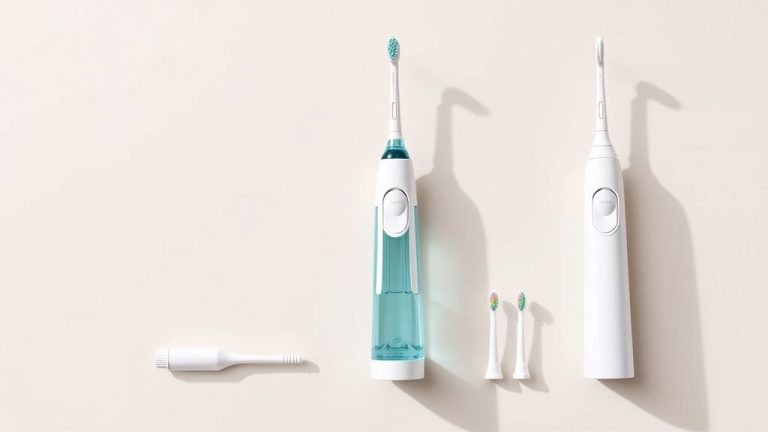
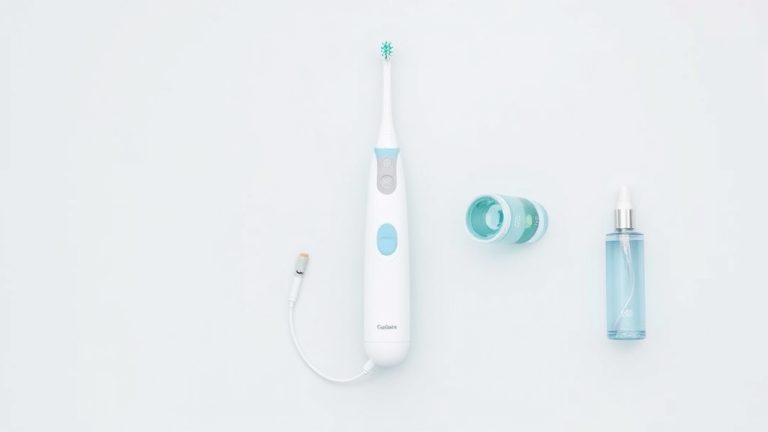
Understanding how these devices operate can help you appreciate their benefits. A water flosser uses a pressurized stream of water to clean. You fill a reservoir with water (or mouthwash), select a tip, and then the device pulses water. This pulsating stream is designed to reach areas that traditional floss might struggle with. The motion is gentle yet powerful enough to sweep away debris.
The Pulsating Power Explained
It’s not just a steady stream. The pulsing action is key. This rhythmic delivery of water helps to disrupt plaque and bacteria more effectively. Research has shown that this pulsating action can be very beneficial for gum health. It provides a massage-like effect for your gums too, which many users find quite pleasant.
What Makes Them Different?
Unlike string floss, which physically scrapes plaque away, water flossers use fluid dynamics. They aim to flush out food particles and loose plaque. This difference is why many dentists don’t see them as a complete replacement for string floss. But when used together, they offer superior cleaning. It’s like having two different tools that do slightly different, yet equally important, jobs.
Who Benefits Most from Water Flossers?
While anyone can use a water flosser, certain groups find them particularly life-changing. If you have dental work, you’ll likely see the biggest improvements.
Dental Work: Braces, Bridges, and Implants
This is where water flossers really shine. Cleaning around braces can be notoriously difficult. The wires and brackets create many hiding spots for food and plaque. A water flosser can easily clean around and under these appliances, making a huge difference in preventing gum inflammation and cavities. Similarly, bridges and implants can trap food particles. Water flossers can flush these areas clean, helping to maintain the health of your gums and the longevity of your dental work.
Gum Health and Sensitivity
For individuals with sensitive gums or those who find traditional flossing uncomfortable, water flossers offer a gentler alternative. The controlled stream can clean effectively without the scraping sensation. Many users report less gum irritation when they switch to or incorporate water flossing. Some studies suggest improved gum health and reduced bleeding after consistent use (NCBI).
Those Who Struggle with Dexterity
Let’s be honest, traditional flossing requires a certain level of dexterity. For older adults, individuals with arthritis, or anyone who finds manipulating string floss challenging, a water flosser is a fantastic solution. It simplifies the flossing process significantly. You simply guide the tip along your gumline.
Putting Water Flossers to the Test: What We Found
We’ve reviewed various studies and expert opinions to give you a clear picture. Research consistently shows that water flossers are effective at removing plaque. They can reduce gingivitis (gum inflammation) and bleeding gums. One study found that water flossing removed up to 93% more plaque than brushing alone. When combined with string floss, the plaque removal was even higher (Journal of Clinical Dentistry).
Water Flossers vs. String Floss: A Fair Comparison
It’s a common question: Can a water flosser replace string floss entirely? Most dental professionals say no. String floss excels at scraping plaque from between teeth where they are tightly bound. Water flossers are better at flushing away loosened debris and cleaning around dental work. Think of it this way: string floss is like sweeping your floor, while water flossing is like mopping it. You often need both for a truly clean result.
The Combined Power for a Healthier Smile
When you use both methods, you get the best of both worlds. You scrape away plaque with string floss and then flush out any remaining particles with your water flosser. This dual approach leads to superior oral hygiene. Many people find this routine much easier to stick with than traditional flossing alone.
Choosing the Right Water Flosser for You
With various models on the market, selecting one can seem overwhelming. Consider these factors:
- Reservoir Size: Larger reservoirs mean longer cleaning sessions without refilling.
- Pressure Settings: Adjustable pressure allows you to customize the intensity for comfort and effectiveness.
- Tip Options: Different tips are designed for various needs, like braces or deep cleaning.
- Portability: Some are countertop units, while others are compact and travel-friendly.
Tips for Getting the Most Out of Your Water Flosser
To maximize the benefits of your new device, follow these simple tips:
- Start with low pressure, especially if you have sensitive gums.
- Lean over the sink to avoid making a mess.
- Angle the tip at a 90-degree angle to your gumline.
- Pause between teeth to allow the water to work.
- Clean the reservoir regularly to prevent bacterial growth.
Are Water Flossers Worth the Investment?
Considering the enhanced cleaning power, improved gum health, and ease of use for many, water flossers are often a worthwhile investment. They can help you maintain better oral hygiene, potentially preventing costly dental problems down the line. If you struggle with traditional flossing or have specific dental needs, a water flosser could be a game-changer for your daily routine.
Conclusion
You’ve learned that water flossers are a powerful tool for your oral hygiene. They effectively tackle plaque and food particles, especially around dental work. While not a complete replacement for string floss, they work wonders when used together. You can achieve healthier gums and a cleaner mouth with this combined approach. Ready to give your smile that extra clean feeling? Consider adding a water flosser to your daily routine today and experience the difference for yourself!
Frequently Asked Questions
Can I use mouthwash in my water flosser?
Yes, you can often use diluted mouthwash in your water flosser. Check your manufacturer’s instructions, as some brands recommend using only water. Using mouthwash can add a refreshing element to your cleaning. Be sure to rinse the unit with plain water afterward to keep it clean.
How often should I water floss?
Most dentists recommend water flossing once a day, just like traditional flossing. This daily habit helps to consistently remove plaque and food debris. You can use it before or after brushing your teeth. Find a routine that fits best into your day.
Will a water flosser hurt my gums?
A water flosser should not hurt your gums if used correctly. Start with the lowest pressure setting, especially if you have sensitive gums. Gradually increase the pressure as you become more comfortable. The pulsating water stream is designed to be gentle yet effective.
Can I use a water flosser if I have sensitive teeth?
Absolutely. Water flossers can be a great option for those with sensitive teeth. The water stream can clean effectively without the direct scraping sensation of string floss. You can adjust the pressure to find a comfortable level. Many users report less sensitivity when using a water flosser.
How long does it take to see results from water flossing?
You can notice a difference in how clean your mouth feels immediately after your first use. For noticeable improvements in gum health, such as reduced bleeding or inflammation, consistent daily use for a few weeks is typically recommended. You’ll likely feel your mouth is cleaner right away.