Water Flossers: Are They Bad For Your Teeth
No, water flossers are generally not bad for your teeth and gums. In fact, research and dental professional reviews often show they can be a highly effective tool for improving oral hygiene. They work by using a pulsating stream of water to clean between teeth and below the gumline. This can help remove plaque and food particles that brushing alone might miss. So, if you’re wondering if they’re a safe and good addition to your routine, the answer is usually yes!
Many people find water flossers easier to use than traditional string floss. This is especially true for those with braces, bridges, or implants. Studies suggest that when used correctly, water flossers can lead to reduced gum bleeding and inflammation. They are a great option for people who struggle with string floss. We found that consistency in use really matters for seeing the best results.
- Water flossers are generally safe and effective for oral hygiene.
- They help remove plaque and food particles, especially in hard-to-reach areas.
- They can be easier to use than string floss for many people.
- Studies suggest they can reduce gum bleeding and inflammation.
- Proper use is key to experiencing the benefits.
Let’s dive deeper into what makes water flossers work so well and address any concerns you might have about them.
Are Water Flossers Actually Harmful?
You might be wondering if water flossers, sometimes called oral irrigators, can actually cause harm. It’s a fair question! After all, they use a jet of water. We found that when used correctly, water flossers are not only safe but can be a fantastic addition to your oral care routine. They are designed to be gentle yet effective. Many dental professionals recommend them as a great way to boost your oral hygiene game.
How Water Flossers Work Their Magic
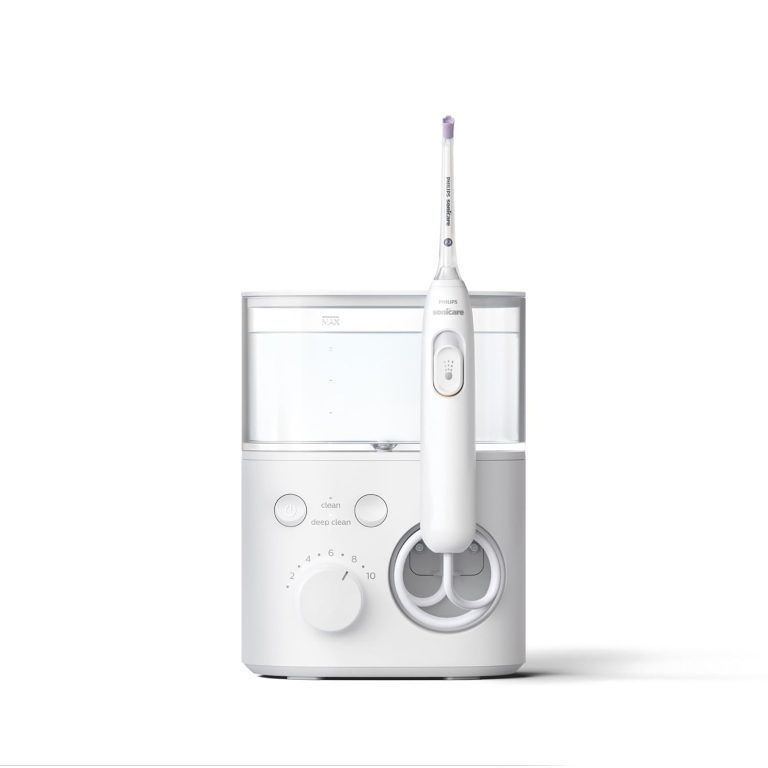
Think of a water flosser as a targeted power washer for your mouth. It uses pressurized water to blast away debris. This stream gets into those tight spaces where a toothbrush can’t reach. It’s particularly good at cleaning around dental work. This includes braces, bridges, and implants.
The Pulsating Power of Water
The secret sauce is the pulsating water. This rhythmic pulsing helps to dislodge food particles and plaque effectively. It’s more than just a steady stream. The pressure and the movement work together. This action can also stimulate your gums. Some find this massage quite pleasant.
What About Traditional Floss?
Traditional string floss is still a gold standard for many. However, it requires a certain dexterity. Many people struggle to get the technique just right. This can lead to gum irritation or simply not cleaning effectively. Water flossers offer a different approach. They can be a lifesaver for those who find string flossing difficult or painful.
Addressing Common Concerns About Water Flossers
Let’s talk about what might be holding you back from trying one. Are there downsides? We’ve looked into the common worries people have. Most concerns are easily addressed with proper usage and understanding.
Can They Damage Gums or Enamel?
This is a big one for many people. The good news? Research and dental expert opinions suggest that water flossers, when used on appropriate settings, do not damage healthy gums or tooth enamel. The key is the setting. Most units come with adjustable pressure levels. You should start on a low setting. Gradually increase it as your gums get used to it.
Finding Your Comfort Zone with Pressure Settings
It’s like finding the right temperature for your shower. You don’t want it too hot or too cold. Similarly, you don’t want the water pressure too high. High pressure can feel uncomfortable and might even irritate sensitive gums. Start low and go slow. Your gums will thank you. Many guidelines suggest starting at the lowest setting and increasing over time (Cleveland Clinic).
Are They a Replacement for Brushing?
Absolutely not! A water flosser is a super-powered supplement to your brushing routine. It’s not a substitute. You still need to brush your teeth twice a day. Brushing removes the biofilm and plaque that coats your teeth. Water flossing targets the areas that brushing can’t easily reach. Think of it as the advanced cleaning crew for your mouth.
What About the Mess?
Okay, let’s be real. The first few times you use a water flosser, you might feel like you’re in a water fight. Water can go everywhere! We found that a little practice makes a big difference.
Tips for a Cleaner Water Flossing Experience
- Lean over the sink: This is probably the most important tip. Let gravity do the work of pulling the water down.
- Start with your back teeth: Work your way forward. This way, you’re less likely to spit water forward.
- Use a mirror: Especially when you’re starting out. It helps you aim properly.
- Don’t tilt your head too much: Keep it relatively straight.
- Empty the reservoir between uses: This prevents bacteria growth.
Who Benefits Most from Water Flossers?
While anyone can enjoy the benefits of a cleaner mouth, some groups find water flossers particularly helpful.
People with Dental Work
If you have braces, retainers, bridges, or dental implants, cleaning can be a challenge. Traditional floss can get tangled or be impossible to use. Water flossers can navigate around these devices easily. They clean where food particles love to hide. This helps prevent inflammation and decay around your dental work.
Those with Gum Issues
Studies suggest that water flossers can be very effective for people with gingivitis. They help reduce gum bleeding and inflammation. This is due to the effective removal of plaque and bacteria along the gumline. Many experts note their utility in improving gum health (American Dental Association).
Individuals Who Dislike Traditional Floss
If you find string floss uncomfortable, difficult to maneuver, or you simply forget to do it, a water flosser might be the answer. Making an effective cleaning step easier often leads to better consistency. And consistency is key for great oral health.
The Verdict: Are They Worth It?
Based on research and dental professional recommendations, water flossers are a safe and highly effective tool for most people. They are not inherently bad. Instead, they offer a convenient and often more comfortable way to achieve a superior clean.
| Feature | Water Flosser | String Floss |
|---|---|---|
| Mechanism | Pulsating water stream | Scraping action with string |
| Ease of Use | Generally easier for many, especially with dental work | Requires manual dexterity, can be difficult for some |
| Effectiveness on Plaque | Excellent for removing loose debris, good for interdental plaque | Excellent for removing sticky plaque film when used correctly |
| Gum Stimulation | Can provide gum massage | Can cause irritation if technique is poor |
| Best For | Braces, implants, bridges, sensitive gums, those who dislike string floss | Those with good manual dexterity, a thorough cleaning method |
Your Action Plan for Better Oral Health
Ready to give water flossing a try? Here’s a quick checklist to keep in mind:
- Choose a reputable brand with adjustable pressure.
- Start with the lowest pressure setting.
- Always lean over the sink to minimize mess.
- Use it consistently, ideally after brushing.
- Don’t forget to clean your water flosser regularly.
- Consult your dentist if you have specific concerns.
Conclusion
You’ve learned that water flossers are not bad for your oral health; they’re a fantastic way to boost your clean. They excel at reaching tough spots that brushing and even traditional floss might miss. Remember, proper use, especially starting with lower pressure settings, is key. So, if you’re looking for an easier or more comfortable way to keep your gums healthy and your smile bright, a water flosser is likely a smart addition to your routine. Consider talking to your dentist about incorporating one.
Frequently Asked Questions
Can using a water flosser too often cause problems?
Generally, no. Using a water flosser consistently, even daily, is recommended for optimal oral hygiene. The primary concern is using too high a pressure setting. Stick to a comfortable, adjustable pressure to avoid any potential gum irritation.
Is there a specific type of water that should be used in a water flosser?
Tap water is perfectly fine for most water flossers. Some people like to add mouthwash to the reservoir, but always check your device’s manual first. Using plain water is effective for removing debris and improving gum health.
Will a water flosser remove all plaque like string floss does?
Water flossers are excellent at removing loose food particles and reducing bacteria. However, for the sticky plaque film that adheres tightly to teeth, traditional string floss used correctly can be more effective. Many dentists recommend using both for the best results.
How long does it take to get used to using a water flosser without making a mess?
Most people find they get the hang of it within a few tries. Leaning over the sink and starting with a lower setting helps significantly. With a little practice, you’ll be water flossing efficiently without much mess at all.
Can I use a water flosser if I have sensitive teeth?
Yes, you can! Water flossers can be a great option for those with sensitive teeth or gums because you can control the water pressure. Start on the lowest setting and see how you feel. It may be gentler than string floss for some people.