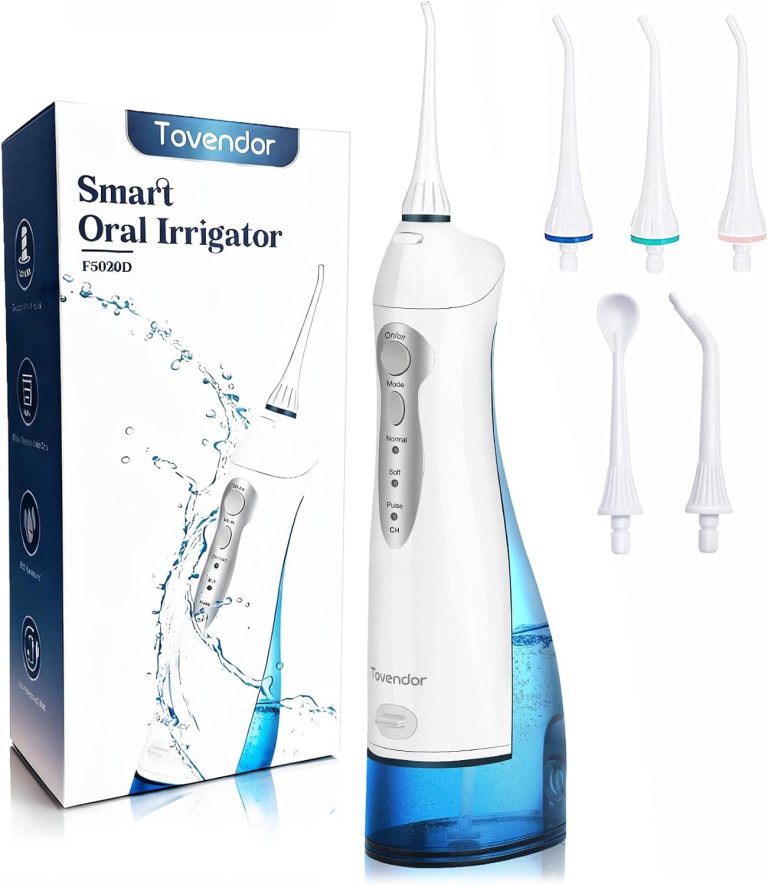
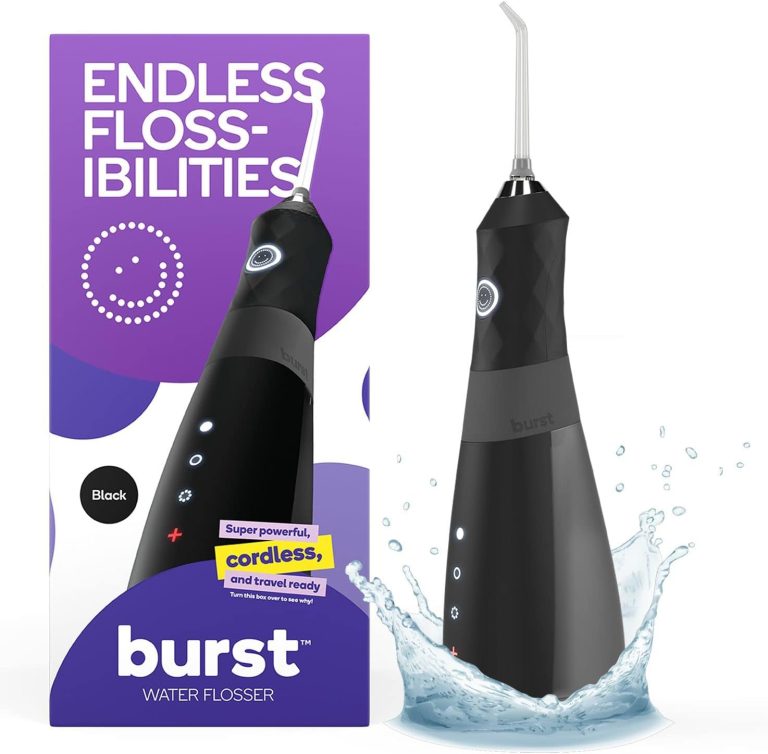
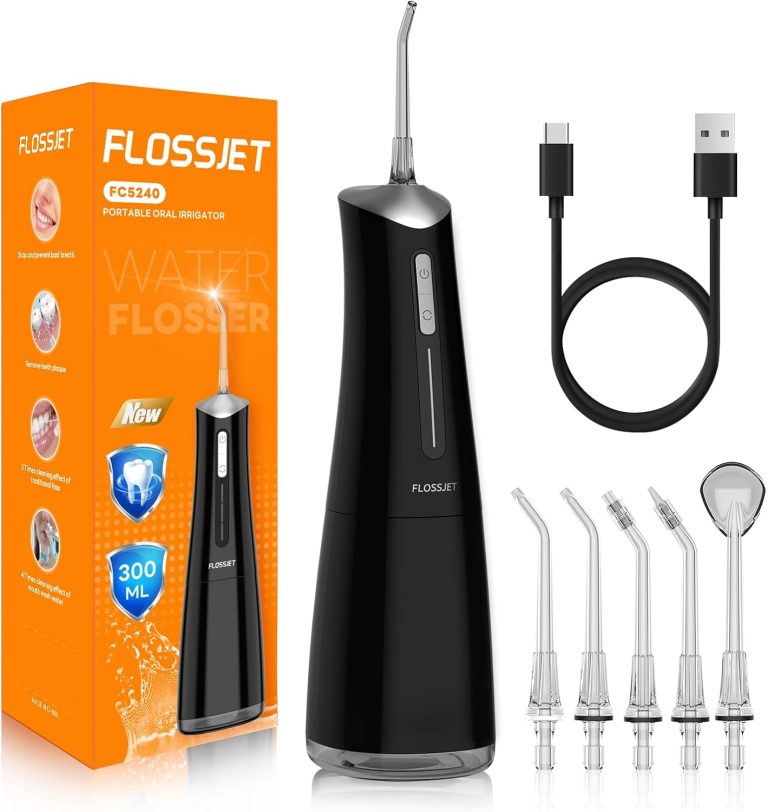
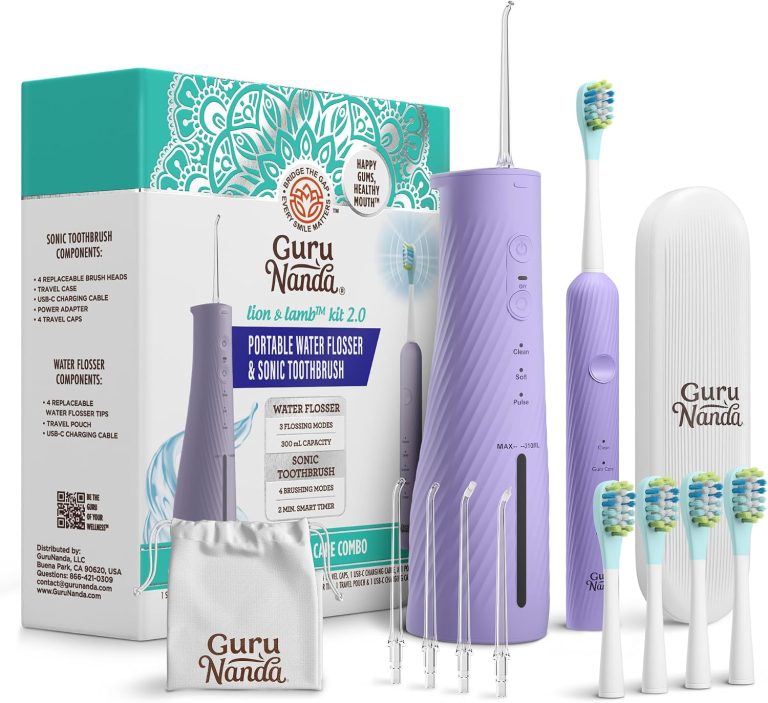
Are Water Flossers Bad for Gums? The Truth Revealed
No, water flossers are generally not bad for your gums when used correctly. In fact, many dental professionals recommend them as a safe and effective way to improve gum health. They work by using a stream of water to clean between your teeth and along the gumline, helping to remove plaque and food particles that brushing alone might miss. Using a water flosser on a proper setting is key to avoiding any potential gum irritation.
You might be wondering if this high-pressure water could cause harm. We found that while some initial sensitivity is possible, most users find water flossers to be quite gentle. They can be particularly helpful for people with braces, bridges, or dental implants, as they offer an easier way to clean hard-to-reach areas. It’s important to remember that water flossing is a supplement to, not a replacement for, regular brushing.
- Water flossers are generally safe for gums.
- They help remove plaque and food debris.
- Use them on the correct setting to avoid irritation.
- They can be great for braces and implants.
- Water flossing complements, but doesn’t replace, brushing.
Let’s dive deeper into how water flossers work and what you need to know to use yours effectively without any gum worries.
Could Water Flossers Hurt Your Gums?
When you first think about using a water flosser, you might picture a tiny jet washing away plaque. This can sound intense! But are water flossers actually bad for your gums? We found that for most people, the answer is a resounding no. When you use them properly, water flossers are quite gentle. They can actually be a fantastic addition to your oral hygiene routine.
How Water Flossers Work
Think of a water flosser as a shower for your teeth and gums. It uses a pulsating stream of water. This stream reaches places your toothbrush can’t. It effectively flushes out food particles and plaque. Many dental professionals recommend them. They are especially helpful for cleaning around dental work. This includes braces, implants, and bridges.
Understanding Gum Sensitivity and Water Flossers
It’s normal to feel a little unsure at first. You might worry about the water pressure. Some people experience mild gum sensitivity initially. This is especially true if your gums are already inflamed or tender. Research and many dental experts suggest that this sensitivity usually fades quickly. You can often adjust the pressure settings on your water flosser. Starting on a low setting is a smart move. This allows your gums to get used to the sensation.
We found that starting with the lowest pressure setting is key. Gradually increase the pressure as your gums become more accustomed. This approach minimizes any discomfort. It ensures a comfortable and effective cleaning experience. Most modern water flossers have multiple pressure settings. This adaptability is a big plus for users with sensitive gums.
Setting the Right Pressure is Key
The biggest factor in whether a water flosser is “bad” for your gums is the pressure setting. Too high a setting can indeed cause irritation. It might even lead to minor bleeding if your gums are already sore. Imagine holding a powerful garden hose too close to a delicate flower – you wouldn’t want to damage it! The same principle applies here.
You want enough pressure to dislodge debris. You don’t want pressure that feels painful or causes bleeding. Many dentists suggest a setting that feels firm but comfortable. If you’re unsure, consult your dentist or dental hygienist. They can guide you on the best setting for your specific needs. They might even demonstrate the correct technique.
Benefits of Water Flossing for Gum Health
Beyond just removing food particles, water flossers can actively improve gum health. They are excellent at reducing gingivitis. Gingivitis is the early stage of gum disease. The pulsating water can stimulate gum tissue. This stimulation may help improve circulation. Better circulation supports healthier gums. This is why many dental associations endorse their use.
Studies have shown that water flossers can be very effective. They can remove significantly more plaque than string floss alone. This is particularly true in those hard-to-reach areas. A study published in the Journal of Clinical Dentistry found impressive results. It noted that combining brushing with water flossing led to a marked reduction in gum bleeding and inflammation (NCBI). This points to their role in maintaining a healthy mouth.
Who Benefits Most from Water Flossers?
While anyone can benefit, water flossers shine for certain individuals. People with braces often find them a lifesaver. Cleaning around brackets and wires with string floss is difficult. Water flossers make this much easier. They clean effectively without snagging or causing frustration.
Those with dental implants or bridges also see great advantages. These restorations can create tight spaces. Plaque loves to hide in these spots. Water flossers can clean these areas thoroughly. This helps prevent inflammation and infection around implants and bridges. Even people with crowded teeth can find them easier to use than traditional floss.
Water Flossing vs. Traditional Flossing
Is one better than the other? It’s not really an either/or situation. Many dental professionals view them as partners. Traditional string floss is excellent at scraping plaque. It physically removes sticky film from tooth surfaces. Water flossers excel at flushing out debris. They also reach areas that are tough for string floss.
Here’s a simple comparison we often see:
| Tool | Primary Action | Best For |
|---|---|---|
| String Floss | Scraping plaque from tooth surfaces and between teeth. | Removing sticky film, reaching tight contacts. |
| Water Flosser | Pulsating water stream to flush debris and plaque. | Cleaning around dental work, stimulating gums, removing loose particles. |
Using both can provide the most comprehensive clean. Think of it like this: brushing is sweeping the floor. String floss is like using a dustpan to get fine particles. Water flossing is like mopping to get any remaining dirt and grime.
Tips for Safe and Effective Water Flossing
To ensure your water flosser works for you and doesn’t cause harm, follow these simple tips. They are based on common dental advice and user experiences. Your gum health is the top priority, after all!
- Start with the lowest pressure setting.
- Angle the tip at a 90-degree angle to your gumline.
- Pause briefly between each tooth.
- Trace the gumline, not just the tops of the teeth.
- Consider using lukewarm water, especially if you have sensitive teeth.
- Don’t forget to brush! Water flossing complements brushing.
Following these guidelines ensures you get the benefits without the potential downsides. It’s about using the tool as intended. Many users report that once they get the hang of it, it becomes a quick and easy part of their daily routine. It feels refreshing, too!
Conclusion
So, are water flossers bad for your gums? Our research and the consensus from dental professionals say a clear no, when used properly. You’ve learned that water flossers are gentle tools that can significantly boost your oral hygiene. They effectively remove plaque and debris, especially around dental work, and can even help reduce gum inflammation. Remember, the key is to start with a low pressure setting and gradually increase it as your gums adjust. Think of it as a helpful addition to your brushing routine, not a replacement.
Ready to give your gums the best care? Talk to your dentist or dental hygienist at your next visit. They can help you choose the right water flosser and show you the best technique for your unique needs.
Frequently Asked Questions
Can I use a water flosser if I have sensitive gums?
Yes, you absolutely can! If you have sensitive gums, it’s crucial to start with the lowest pressure setting on your water flosser. Many models offer multiple settings, allowing you to gradually increase the pressure as your gums get used to it. Using lukewarm water can also make the experience more comfortable.
How often should I use a water flosser?
Most dental professionals recommend using a water flosser once a day, typically after brushing your teeth. This ensures you remove any remaining food particles and plaque that brushing and flossing might have missed. Consistency is key for seeing the best gum health benefits.
Is it okay to use mouthwash in my water flosser?
Some water flossers are designed to be used with water only, while others allow for the addition of specific mouthwash solutions. It’s best to check your water flosser’s manual for instructions. Using the wrong type of liquid can damage the device. Always use solutions recommended by the manufacturer.
Will water flossing hurt my gums if I have gum disease?
If you have active gum disease, it’s essential to consult your dentist or dental hygienist first. While water flossers can help improve gum health by removing bacteria, starting with too high a pressure could cause discomfort or bleeding on already inflamed gums. Your dental professional can advise on the safest pressure setting and technique for your condition.
Can a water flosser replace traditional string floss?
While water flossers are excellent at cleaning between teeth and along the gumline, they are generally considered a supplement to, not a replacement for, traditional flossing. String floss is very effective at physically scraping away sticky plaque. For the most thorough clean, many people find using both a water flosser and string floss provides the best results.