7 Benefits of a Waterpik Water Flosser for Healthier Gums
A Waterpik water flosser is a device that shoots a steady stream of water between your teeth to remove plaque and food bits. The biggest benefits of a water flosser are gentler cleaning, easier use, and better results for people with braces, implants, or bridges. Many dental experts agree it can be a great alternative to string floss, especially if flossing feels like a struggle.
Maybe you hate flossing. Maybe your gums bleed every time you try. Or maybe you just want a faster way to keep your smile healthy. We researched and found that water flossers help with gum health, plaque removal, and even bad breath. They also make cleaning around braces way less painful.
- Removes plaque and food stuck between teeth
- Massages gums and supports healthier gum tissue
- Ideal for braces, implants, and dental bridges
- Less painful than string floss for sensitive gums
- Quick, easy, and actually kind of fun to use
Below, we break down everything you need to know about the benefits of a Waterpik water flosser. So grab a coffee, and let’s dive in. If you’re ready to pick one, our roundup of the best water floss devices compares the top models side by side.
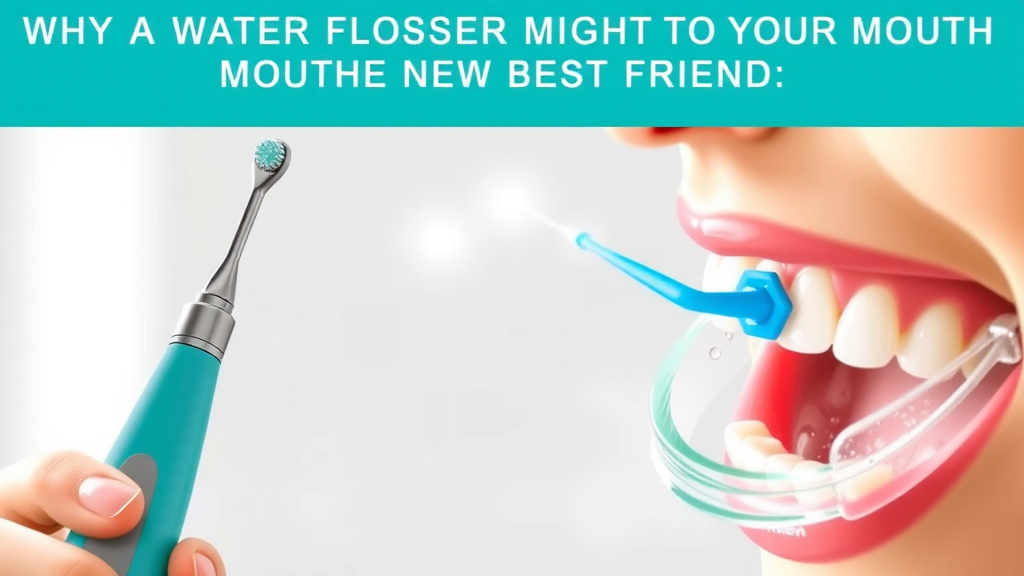
Why a Water Flosser Might Be Your Mouth’s New Best Friend
A Waterpik water flosser cleans between your teeth using a pressurized stream of water, and it does this without the poking and scraping of string floss. That single difference is why so many people stick with it long-term.
Think of string floss like a shoelace and a water flosser like a gentle pressure washer. Both clean, but one is far less likely to make you wince.
What Research Says About Water Flossers
We found several studies comparing water flossers to string floss. The short version: water flossers can be just as effective at reducing gum bleeding and inflammation, and sometimes more so for certain users.
One review published through the National Library of Medicine found that water flossers, when added to brushing, helped reduce gingivitis and bleeding gums. The American Dental Association notes that water flossers with the ADA Seal of Acceptance have been tested for safety and effectiveness.
So no, this isn’t just a fancy gadget. There’s real science behind the splash.
Gum Health Improvements You Can Actually Feel
If your gums bleed when you floss, you’re not alone. Many people give up on flossing entirely because it hurts. Here’s the good news: a water flosser is much gentler on sore or inflamed gums.
The water stream massages gum tissue while flushing out debris. Many experts say this gentle stimulation supports healthier gums over time. And as your gums get healthier, the bleeding often slows down or stops.
Bleeding Gums: What’s Normal and What’s Not
A little bleeding when you first start any flossing routine is common. It usually means your gums are irritated, not that you’re doing damage.
But if bleeding continues for more than a week or two, the Cleveland Clinic recommends seeing your dentist. Persistent bleeding can be an early sign of gum disease, and catching it early matters.
Cleaning Around Braces, Implants, and Bridges
This is where water flossers truly shine. Ask anyone with braces how fun it is to thread floss under a wire. Spoiler: it’s not. For a model built for orthodontic work, see our picks for the best cordless water flossers for braces.
A water flosser glides around brackets and wires without any threading at all. The stream reaches spots that string floss simply can’t, like deep around an implant or under a bridge.
Best Tips for Braces Users
We found that orthodontic patients get the best results with a simple routine:
- Use a lower pressure setting at first
- Lean over the sink to keep splashing under control
- Start with your back teeth and work forward
- Trace along the gumline, not just between teeth
- Use lukewarm water if cold water feels sensitive
Most people with braces we researched said it cut their cleaning time in half.
Plaque and Food Removal Without the Fuss
Food stuck between teeth isn’t just annoying. It feeds plaque bacteria, which produce acids that eat away at enamel. Left alone, that leads to cavities.
A water flosser flushes out those trapped bits quickly. The pulsating stream disrupts plaque along the gumline, where toothbrush bristles struggle to reach.
Is it a total replacement for brushing? No way. Think of it as the perfect teammate, not a solo act.
How Water Flossing Compares to String Floss
Here’s a quick side-by-side to help you see where each one fits:
| Feature | Water Flosser | String Floss |
|---|---|---|
| Ease of use | Very easy, point and spray | Takes practice and dexterity |
| Gentleness | Soft on sensitive gums | Can cut or irritate gums |
| Braces and implants | Excellent reach | Difficult to maneuver |
| Cost | Higher upfront cost | Very cheap |
| Portability | Needs power and water | Fits in your pocket |
Many dentists suggest using both if you can. But if you’ll only stick with one, pick the one you’ll actually use.
Fresher Breath by Fighting Hidden Bacteria
Bad breath usually starts with bacteria hiding between teeth and below the gumline. Brushing alone misses a lot of those hiding spots.
By flushing out debris and bacteria, a water flosser tackles one of the root causes of bad breath. We found that many users notice fresher breath within the first week of daily use.
It’s like cleaning the corners of a room instead of just the middle of the floor.
Easier for People With Special Dental Needs
Some folks can’t use string floss well, and that’s not a character flaw. It’s reality.
If you have arthritis, limited hand mobility, or dental work like crowns and bridges, a water flosser removes the finger dexterity problem entirely. Just aim and go.
A Solid Option for Sensitive Teeth
Sensitive teeth can make even water pressure uncomfortable at first. Start on the lowest setting and work your way up over a week or two.
Most Waterpik models include multiple pressure settings for exactly this reason. Your gums will thank you for the slow ramp-up.
Quick and Convenient for Busy Mornings
Let’s be honest. If a routine takes too long, it dies. Water flossing takes about one to two minutes once you get the hang of it.
No mirror gymnastics. No floss cuts off circulation in your fingertips. Just fill the reservoir, aim, and sweep.
Your Daily Water Flossing Checklist
Want to build the habit? Keep it simple:
- Fill the reservoir with lukewarm water
- Start on the lowest pressure setting
- Lean over the sink and aim at the gumline
- Follow the gumline from tooth to tooth
- Spit as needed, don’t swallow the water
- Rinse the reservoir after each use
Things to Keep in Mind Before You Buy
Water flossers aren’t perfect for everyone. They cost more upfront than a $4 box of floss. Countertop models need counter space, and cordless ones need regular charging.
They can also get messy at first. Expect a learning curve of a few days while you figure out the right angle and pressure. And per the CDC, water flossers work best alongside brushing and regular dental checkups, not instead of them.
Weigh the cost against the benefit. If a water flosser gets you flossing daily when string floss never did, that’s a win for your teeth and your wallet down the road.
Conclusion
A Waterpik water flosser isn’t just a kitchen gadget gathering dust. It’s a real solution for gentler gum care, easier cleaning around braces and implants, and fresher breath — all in about a minute a day. We researched and found that the biggest win isn’t any single benefit. It’s that water flossing is easy enough to stick with, which is what actually protects your teeth long-term. If string floss has never stuck for you, don’t beat yourself up. Try a water flosser for two weeks on a low setting. If your gums feel better and the habit holds, you’ve found your answer.
Frequently Asked Questions
Can I use mouthwash in my Waterpik instead of water?
Yes, most Waterpik models allow a small amount of mouthwash mixed with water. We found that a capful of antiseptic mouthwash can freshen breath even more. Just rinse the reservoir afterward so the solution doesn’t sit and gum up the internal parts.
Should I use a water flosser before or after brushing?
Dentists we researched generally say it doesn’t matter much — consistency beats timing. Some people prefer flossing first to loosen debris before brushing sweeps it away. Pick an order that feels natural and do it the same way every day.
How often should I replace Waterpik tips?
Waterpik recommends replacing classic jet tips every six months. If you use a specialized tip, like an orthodontic or plaque seeker tip, swap it every three to six months depending on wear. Replace sooner if the tip becomes discolored or the spray pattern weakens.
Can kids use a Waterpik water flosser?
Yes, many kids around age 8 and up can use one with supervision. It’s often easier for them than string floss, especially with braces. Start them on the lowest pressure setting and make sure they lean over the sink to keep the splash under control.
Do water flossers damage gums or enamel?
No, not when used correctly. The water pressure is gentle by design, and models with the ADA Seal have been tested for safety. Start on a low setting and aim along the gumline rather than directly into gum tissue, and you shouldn’t have any issues.