Are Water Flossers Waterproof? What You Need to Know
Yes, most water flossers are waterproof — at least the parts you hold and use in the bathroom. The handle and water reservoir are built to handle splashes and steam. But not every model is safe to fully submerge in water, so it pays to check before you dunk yours.
Here’s the thing: “waterproof” and “water-resistant” are not the same. Many manufacturers we researched use water-resistant designs, which handle splashes fine but can fail if soaked. We found that most cordless models offer better water protection than countertop units with separate power cords.
So what does that mean for your daily routine? It means you can confidently use your flosser near the sink, but maybe skip the shower trick unless the manual says it’s okay. It sounds obvious, but you’d be surprised how many people learn this the hard (and shocking) way.
- Most water flossers are water-resistant, not fully waterproof.
- Cordless models are usually safer around water than plug-in countertop units.
- Check the IP rating or product manual before using it in the shower.
- Never charge a water flosser while it’s wet or near water.
- Keeping the charging base dry is the number one rule.
Below, we break down everything you need to know about water flosser water safety — including which types handle moisture best and a few simple habits that keep yours working for years. If you’re still choosing a unit, our roundup of the best water floss devices compares top models side by side.
How Waterproof Are Water Flossers, Really?
Short answer: it depends on the model and where you’re standing. Most water flossers you’ll find today are built with moisture protection, but the level varies a lot between brands.
When we dug into product manuals and manufacturer specs, we found three common tiers of protection. Knowing which one yours falls into saves you a lot of guesswork.
- Water-resistant handles — fine for sink-side splashes.
- Shower-rated units — sealed well enough for full shower use.
- Basic models — keep these away from streams of water.
Think of it like rain jackets. Some handle a drizzle. Others survive a downpour. Same gear, different protection levels.
What IP Ratings Actually Mean for Your Flosser
You’ve probably seen codes like “IPX7” printed on the box or listed online. That little code tells you exactly how much water your device can take.
The IP rating (Ingress Protection) is an industry standard for electronics. The first digit covers dust. The second covers water. If you see an X, that part just wasn’t tested.
Common Ratings You’ll See
| Rating | What It Means | Safe For |
|---|---|---|
| IPX4 | Splash-resistant | Sink use, bathroom humidity |
| IPX5 | Handles water jets | Heavier splashing |
| IPX7 | Survives brief submersion | Dropping in shallow water for up to 30 minutes |
Here’s the catch: an IPX7 rating usually applies to the handle only, not the charging base. We found that distinction buried in fine print on many product pages.
No rating listed at all? That’s a signal too. It often means the maker didn’t test for water protection, so play it safe.
Countertop Models vs. Cordless Models
This is where the biggest differences show up. Countertop flossers plug into the wall. Cordless ones run on batteries.
Countertop Flossers and Water Safety
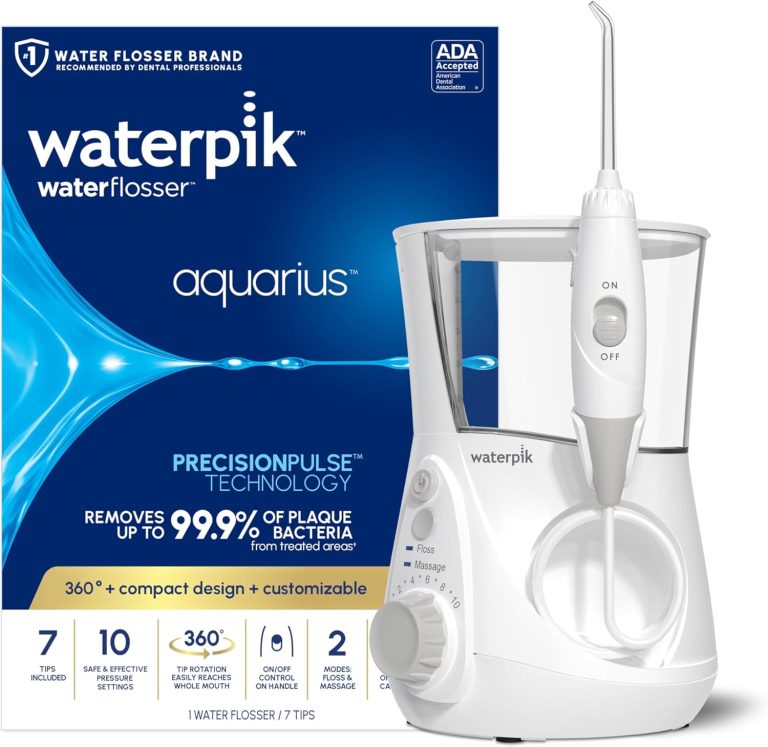
Countertop units have a power cord running from the base to your outlet. Water and cords don’t mix. If the cord or plug gets wet, you’re asking for trouble.
Many experts say countertop flossers should never sit where water can pool around the base. Keep them a few feet back from the sink edge. For plug-in options, see our guide to the best electric water flossers before picking a countertop model.
Why Cordless Flossers Handle Water Better
Cordless models are sealed units. The battery and motor live inside a closed shell. That design makes them much friendlier to steamy, splashy bathrooms.
Some cordless picks are even rated for shower use. But don’t assume. Check the manual or look for the shower-safe symbol before you bring it in with you.
One Warning About Charging
Never charge a flosser while it’s wet. Ever. Dry it off first, then dock it. This one habit prevents most electrical problems we came across in user reviews.
What Happens If Your Flosser Gets Soaked?
So you dropped it in the sink full of water. Don’t panic, but don’t press the power button either.
First, unplug it or remove the battery if you can. Then dry it thoroughly and let it sit for a full day before trying to use it again. Water inside the motor takes time to evaporate.
If it still won’t start after drying, contact the manufacturer. Many brands cover water damage under warranty, especially if the rating matches the accident.
Safety Habits Worth Building
Good habits beat expensive replacements. Here’s the short list we put together after combing through manufacturer guidelines and user manuals.
- Unplug the charging base before cleaning it.
- Wipe the handle dry after every use.
- Store the unit upright so leftover water drains out.
- Keep cords and outlets at least an arm’s length from the sink.
- Empty the reservoir between uses to prevent mold buildup.
- Replace the unit if you notice cracks in the casing.
That last one matters more than people think. A cracked shell lets water reach the battery. It only takes one small crack.
Can You Use a Water Flosser in the Shower?
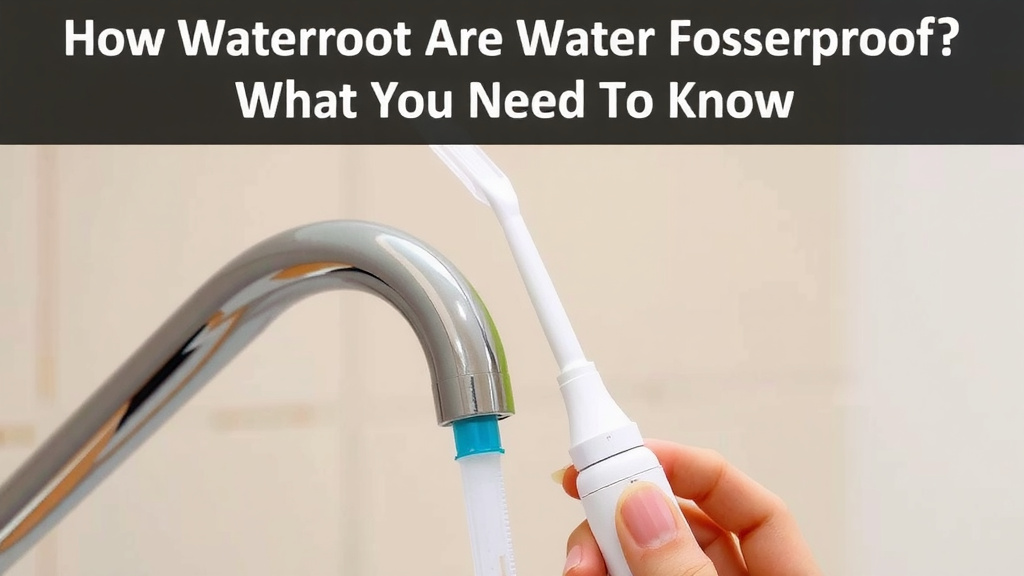
You can — if your model is rated for it. Shower-rated flossers are fully sealed against running water. We found that a handful of popular cordless brands advertise this feature directly on the packaging.
If there’s no mention of shower use anywhere, treat that as a no. The steam and direct spray can push moisture past the seals over time.
Bonus perk of shower flossing: cleanup is automatic. The water goes right down the drain, and your mirror stays spotless.
Why Water Safety Matters Beyond the Device
Flossing with water does more than protect your gadget. It protects your gums and heart, too.
Research summarized by the NIH shows that good oral hygiene is linked to lower risks of gum disease, which has been connected to broader health issues. The CDC reports that nearly half of American adults show signs of gum disease.
So keeping your flosser safe and functional isn’t just about the gadget. It’s about sticking with a routine that your dentist and your future self will thank you for.
How to Check If Your Flosser Is Waterproof
Not sure what your device can handle? Here’s a quick two-minute check you can do right now.
Your Quick-Check Checklist
- Look for an IP rating on the box, base, or manual.
- Search the model number online for “shower safe” or “waterproof.”
- Check for a shower symbol — usually a showerhead icon.
- Read the care section of the manual, not just the setup page.
- Call or email the brand if anything is unclear.
That’s it. Five simple steps and you’ll know exactly what your flosser can handle.
When in doubt, treat it as splash-safe only. A little caution now beats a dead flosser and a soggy outlet later.
Conclusion
Most water flossers can handle a wet bathroom, but few are truly waterproof. We found that splash protection is standard, while full submersion and shower use depend entirely on the model’s IP rating. Countertop units deserve extra care around outlets, and cordless models generally earn more leeway. Either way, the rules are simple: keep the charging base dry, never charge a wet device, and check your manual before assuming anything.
Grab your flosser right now and run through the quick-check list above. Two minutes of research beats a fried battery every time.
Frequently Asked Questions
Can I use my water flosser with the tap running right next to it?
Yes, for most models that’s a normal part of daily use. Splashes from the faucet fall well within the water-resistant design of the handle. Just avoid letting the device sit in standing water or under a direct stream.
Can I rinse my water flosser under running water to clean it?
It depends on the model. Some cordless handles are sealed well enough for a quick rinse, while others should only be wiped with a damp cloth. Check the care instructions in your manual first, and never rinse the charging base.
Will water damage void my flosser’s warranty?
Sometimes. If water damage happens within the limits the manufacturer lists — like using a shower-rated model in the shower — many brands will honor the warranty. Damage outside those limits, such as submerging a splash-only device, usually isn’t covered. Keep your receipt and the manual handy.
Is it safe to use a water flosser while standing in a wet tub?
Only if the model is explicitly rated for shower use. Wet tub surfaces increase the chance of drops, and a plug-in countertop unit should never be anywhere near a tub. If your cordless handle isn’t marked shower-safe, floss at the sink instead.
Do battery-operated water flossers leak electricity if they get wet?
A well-sealed cordless flosser shouldn’t, as long as the casing stays intact. Cracks, loose caps, or a worn battery door are what allow moisture to reach the battery. Inspect the shell regularly, and stop using the device if you spot any damage.