Are Water Flossers Worth It? Reddit Users Weigh In
Yes, water flossers are worth it for most people, especially if you hate string floss or have braces, implants, or gum issues. We dug through hundreds of Reddit threads on water flossers and found a clear pattern: real users say they floss more often now, simply because it’s easier.
That said, Reddit isn’t one big group hug for Waterpik. Some users feel it doesn’t replace string floss completely, and many dentists agree the best flosser is the one you’ll actually use. So the real answer depends on your teeth, your habits, and your budget.
- Most Redditors say water flossers made them floss daily instead of “whenever.”
- They work great for braces, bridges, implants, and tight spaces.
- String floss still scrapes plaque better in some spots.
- Expect to spend around $40 to $100 for a solid model.
- Dentists say using one beats not cleaning between teeth at all.
So, is the hype real or just Reddit being Reddit? Below, we break down what real users and dentists actually say, so you can decide if a water flosser deserves a spot on your bathroom counter.
What Reddit Threads Really Say About Water Flossers
After reading through dozens of threads on r/Dentistry, r/askdentists, and r/Waterpik, we found the opinions split into two loud camps. Both make good points, so let’s look at both sides.
The short version? Most people who buy one keep using it. That alone says a lot, because most bathroom gadgets end up in a drawer by February.
The Love-It Crowd
These users describe the water flosser as the reason they finally floss every day. One common story we saw: someone hated string floss for 20 years, bought a Waterpik on a whim, and now uses it nightly while watching TV.
Why the love? Three things come up again and again:
- It’s fast. Most people finish in under two minutes.
- It doesn’t hurt. No floss shredding or snapping between tight teeth.
- It feels like a tiny pressure washer for your mouth. Weirdly satisfying.
Users with braces and implants were the loudest fans. Many said it’s the only way they can clean around wires and brackets without a 20-minute wrestling match.
The Skeptics’ Corner
Not everyone is sold. The most honest complaint we found: a water flosser rinses stuff away, but it doesn’t scrape anything. Plaque is sticky, like film on a window. Water alone can rinse loose bits, but sometimes you need to scrub.
Some users also mentioned the mess. Water everywhere. The counter, the mirror, occasionally the ceiling. It’s a real learning curve, and the first week can feel like a scene from a comedy movie.
What the Research Says About Water Flossing
Reddit stories are great, but what does actual science say? We looked at research summarized by the NIH and dental journals, and the results back up the hype fairly well.
Several clinical studies have compared water flossers to string floss. Many found that water flossers reduce bleeding gums and gingivitis as well as, or better than, string floss. One often-cited study found water flossers plus brushing beat brushing plus string floss for reducing gum bleeding.
Here’s the catch: those studies measured gum health, not plaque removal in every single spot. String floss still wins at scraping plaque off the sides of teeth (Cleveland Clinic). So both tools have strengths.
The American Dental Association has also stated that cleaning between your teeth daily matters more than which tool you use. That’s the real takeaway.
When a Water Flosser Is a Smart Buy
So who benefits most? Based on what we found in both Reddit threads and dental guidance, these groups get the biggest bang for their buck.
Braces, Bridges, and Implants
If you have orthodontic work, a water flosser is almost a no-brainer. String floss needs a threader to get under wires, which takes forever. A water flosser just blasts around brackets and under bridges with no fuss. Our guide to the best cordless water flossers for braces compares seven models side by side.
Implant users especially praised it. Keeping the gumline clean around an implant is critical for its long-term survival, and a water flosser makes that daily job easy (Mayo Clinic).
Name Brands vs. Budget Models
Do you need a $100 Waterpik? Probably not. Many Redditors reported that $35 to $50 generic models work nearly as well. The main differences are tank size, noise level, and warranty. Unless you want cordless or countertop extras, a budget unit covers the basics fine.
Bleeding or Sensitive Gums
If flossing makes your gums bleed or hurt, you’re not alone. Many users said switching to a water flosser let them clean between teeth without pain, and their gum bleeding improved within weeks.
One caution: if your gums bleed a lot, see a dentist first. Bleeding can signal gum disease that needs professional treatment, not just a gadget (CDC).
Where Water Flossers Fall Short
Let’s be fair to string floss. A water flosser won’t scrape plaque the way floss does, and plaque is the whole enemy here. Think of it this way: rinsing a dirty dish removes loose food, but you still need a sponge for the stuck-on stuff.
That’s why many dentists suggest using both tools if you can. Water flosser on busy nights, string floss when you have time. Even doing each a few times a week is better than doing neither.
Also worth noting: water flossers need upkeep. You’ll clean the reservoir, replace tips every few months, and wipe down the unit. Skip that, and you’re spraying slightly gross water into your mouth. No thanks.
Tips From Redditors Who Actually Stick With It
The people who love their flossers shared a few habits that make the whole thing easier. We found these tips repeated across many threads:
- Use warm water. Cold water can make sensitive teeth zing.
- Start on the lowest pressure setting and work your way up.
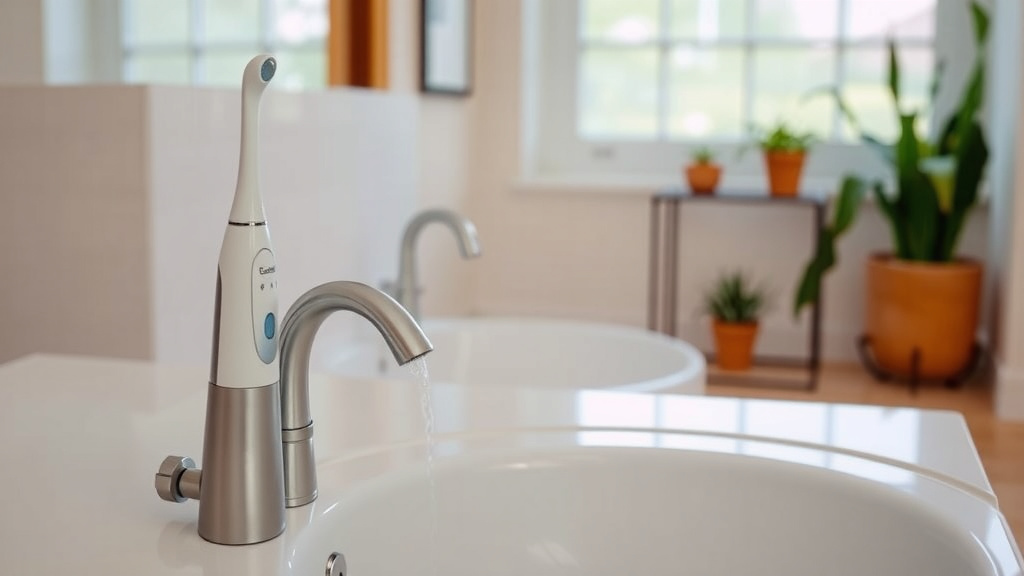
- Lean over the sink and keep your lips mostly closed to cut the mess.
- Trace the gumline tooth by tooth instead of random spraying.
- Do it before brushing, not after, so debris gets brushed away.
- Keep it plugged in and visible on the counter. Out of sight means out of use.
That last one sounds silly, but it’s the most repeated tip we saw. Habits live where your eyes can see them.
How Much You’ll Spend
Price is where Reddit gets practical. Here’s what we found across user reviews and current listings:
| Price Range | What You Get | Who It’s For |
|---|---|---|
| $25–$40 | Basic cordless or small countertop models | First-timers and travelers |
| $40–$70 | Larger tanks, multiple pressure settings, extra tips | Daily home users |
| $70–$120 | Big name-brand units, cordless pro models, more tips | Braces, implants, whole families |
Our advice from the research: start in the middle range. Cheap units can feel weak, and the priciest ones add features most people never touch. Redditors who bought mid-range models reported the fewest regrets.
Your Pre-Purchase Checklist
Before you click “add to cart,” run through this quick list we built from the most common Reddit regrets and wins:
- Do you have braces, implants, or bridges? If yes, buy with confidence.
- Do you actually hate string floss? Honesty here saves you $50.
- Got counter space near an outlet? Countertop models need both.
- Do you share a bathroom? Extra tips let the whole family use one unit.
- Willing to clean the reservoir weekly? If not, skip it.
If you checked at least two boxes, a water flosser will likely earn its spot. If you checked none, string floss and a good brushing routine will serve you just fine. The best tool, as every dentist on Reddit kept saying, is the one you’ll actually use tomorrow night.
Conclusion
So, are water flossers worth it? If Reddit threads and dental research tell us anything, it’s this: for most people, yes. The real win isn’t some magic cleaning power. It’s that you’ll actually use it, night after night, without dreading it. Braces, implants, and sore gums make it an even easier call. Just remember a water flosser rinses better than it scrapes, so string floss still earns its keep when you have time. Start with a mid-range model, use warm water, and keep it on the counter where you can see it. Grab one from a retailer with easy returns, give it two weeks, and see how your gums feel.
Frequently Asked Questions
Do dentists actually recommend water flossers?
Many do, especially for patients with braces, implants, bridges, or dexterity issues. The American Dental Association’s stance comes down to consistency: cleaning between your teeth daily matters more than the tool you pick. If you ask your dentist, expect the answer to hinge on what you’ll stick with long term.
Can I use a water flosser instead of flossing completely?
You can, and some people do, but you’d miss out on the scraping action that removes stuck-on plaque. Water flossers flush out loose debris and food particles well, yet sticky film sometimes needs friction. If you hate string floss, a water flosser still beats skipping between-teeth cleaning entirely.
How long does it take to see results from a water flosser?
Most Reddit users reported less gum bleeding within two to four weeks of daily use. That matches what we found in clinical summaries, where gum health improvements showed up over weeks rather than days. If bleeding continues past a month, book a dental visit to rule out gum disease.
Do water flossers use a lot of electricity?
No, they’re low-power devices. Most countertop models run a small pump that uses about as much electricity as a phone charger. Cordless versions use rechargeable batteries, so they barely show up on your utility bill at all.
Is a water flosser messy to use every day?
The first week can get splashy, but the mess fades fast once you learn the technique. Lean over the sink, keep your lips mostly closed, and start on the lowest pressure setting. Users who follow those steps say cleanup becomes a quick rinse of the sink.