How Long Do Electric Toothbrushes Last? Complete Lifespan & Maintenance Guide
You’ve probably wondered at some point whether that electric toothbrush sitting in your bathroom cabinet will keep working for years or if you’ll need to replace it soon. It’s a fair question, especially when you’ve invested your hard-earned money into what’s supposed to be a superior oral care device. The truth is, electric toothbrushes don’t last forever, but with the right knowledge and care, you can definitely extend their lifespan and get the most out of your investment.
In this comprehensive guide, we’re going to dive deep into everything you need to know about electric toothbrush longevity. From the typical lifespan of different types of electric toothbrushes to practical maintenance tips that’ll keep yours running smoothly, I’ve got you covered. Let’s explore what really determines how long your electric toothbrush will stick around and perform at its best.
Understanding Electric Toothbrush Lifespan: The Basics
When we talk about how long electric toothbrushes last, we’re really discussing two different concepts that often get mixed up. First, there’s the physical lifespan of the device itself—how long the motor and internal components will continue functioning. Then there’s the practical lifespan—when the toothbrush becomes less effective at cleaning your teeth or when you simply decide it’s time for an upgrade.
Most quality electric toothbrushes typically last somewhere between three to five years with regular use and proper maintenance. However, this can vary significantly depending on the brand, model, build quality, and how well you care for it. Some premium models might push past the five-year mark, while cheaper alternatives might start showing signs of wear after just two years.
Why Does Duration Vary So Much?
Think of an electric toothbrush like a car. You can have two vehicles that look similar on the outside, but one might run reliably for ten years while the other starts having problems after three. The difference comes down to manufacturing quality, materials used, and how well you maintain it. The same principle applies to your toothbrush.
Different Types of Electric Toothbrushes and Their Lifespans
Not all electric toothbrushes are created equal, and neither are their expected lifespans. The type of toothbrush you own plays a crucial role in determining how long it’ll last.
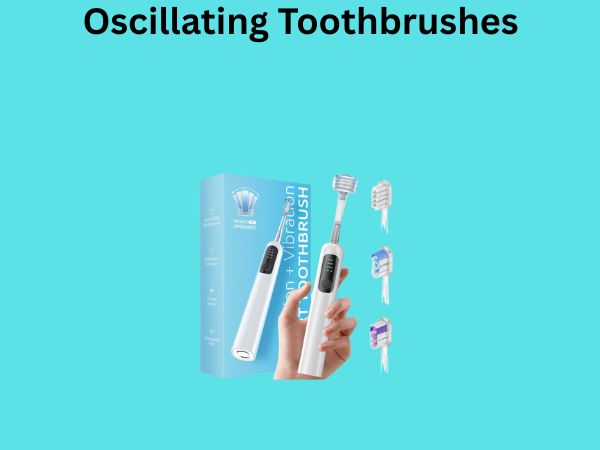
Oscillating Toothbrushes
Oscillating electric toothbrushes, which move side-to-side at high speeds, are among the most common types on the market. Brands like Oral-B dominate this category. These toothbrushes typically last between three to five years with normal use. The motor in oscillating brushes is generally quite robust, and the simple back-and-forth motion puts less stress on internal components compared to other designs.
Sonic Toothbrushes
Sonic toothbrushes vibrate at incredibly high frequencies—think thousands of times per second. Sonicare is probably the most well-known brand in this category. Because of the higher frequency and more intense vibration, sonic toothbrushes sometimes have a slightly shorter lifespan than oscillating ones, usually ranging from two to four years. However, many people find them worth the investment because of their superior cleaning ability and the fact that they tend to be gentler on gums.
Rotating Toothbrushes
Some electric toothbrushes use a rotating motion rather than oscillation or vibration. These are less common but still available. Their lifespan typically falls in the three to five year range, depending on the quality of the motor and bearings that support the rotation.
The Role of Battery Technology in Longevity
Here’s something that most people don’t realize: the battery in your electric toothbrush doesn’t last as long as the device itself. Most rechargeable electric toothbrush batteries have a lifespan of about 300 to 500 charge cycles before they start losing their ability to hold a charge effectively.
Let’s do some quick math. If you charge your toothbrush every two days, that’s roughly 150 charge cycles per year. This means your battery might start showing its age after two to three years, even if the motor is still running strong. This is why many people find themselves replacing their entire toothbrush when the battery dies, even though the device could technically still function.
Battery Degradation Explained
Lithium-ion batteries, which are standard in most modern electric toothbrushes, undergo chemical changes every time they’re charged and discharged. Over time, these tiny chemical reactions add up, and the battery loses capacity. It’s not a sudden failure—it’s gradual. You might notice your toothbrush doesn’t last quite as long between charges, or the vibration seems slightly weaker after a couple of years.
Key Factors That Determine How Long Your Toothbrush Will Last
While three to five years is a general guideline, several specific factors can push your electric toothbrush toward the longer end of that spectrum or cut it short. Understanding these factors gives you power over your toothbrush’s destiny.
Water Exposure and Moisture Management
Electric toothbrushes are water-resistant, but they’re not waterproof. This is a critical distinction. Water resistance means they can handle splashes and exposure to moisture during normal use. Waterproof would mean they could withstand complete submersion. Most electric toothbrushes have a rating that allows them to get wet, but excess water entering the charging port or battery compartment can cause serious problems.
If water seeps into the internal circuitry, you’re looking at potential short circuits, corrosion, and motor failure. This is one of the most common reasons electric toothbrushes die prematurely. Always ensure the charging contacts are dry before inserting the brush into the charger, and avoid leaving your toothbrush sitting in a container of water or exposed to excessive moisture.
Frequency of Use
This might seem obvious, but usage frequency directly impacts lifespan. If you’re brushing twice daily for two minutes each time, your motor is working 240 minutes per month. Over a year, that’s roughly 2,880 minutes of motor operation. Now compare that to someone who only brushes once a day—their motor is only running about 1,440 minutes annually. The motor in the lighter-use toothbrush will naturally last longer simply because it’s not working as hard.
However, here’s the interesting part: not using your electric toothbrush at all is actually worse for the battery than using it regularly. Batteries actually perform better when they’re cycled regularly, so using your toothbrush twice daily as recommended is better for long-term battery health than sporadically using it.
Charging Habits
How you charge your toothbrush matters more than you might think. Some people charge their toothbrush overnight every single night, while others charge it only when the battery is completely drained. Both extremes can reduce battery lifespan.
Leaving your toothbrush on the charger constantly can cause the battery to degrade faster because it stays in a fully charged state, which puts stress on battery cells. On the other hand, completely draining the battery before charging can also reduce its lifespan. The sweet spot is charging your toothbrush when the battery indicator shows it’s low, but before it’s completely dead.
Build Quality and Brand Reputation
You get what you pay for, generally speaking. A fifty-dollar electric toothbrush from an unknown brand probably won’t last as long as a one-hundred-fifty-dollar toothbrush from an established manufacturer like Oral-B or Sonicare. Established brands invest more in research and development, use better materials, and have more rigorous quality control processes.
When a company has been making toothbrushes for decades, they’ve perfected the design and manufacturing process. Their motors are tested extensively, their batteries are sourced from reputable manufacturers, and their construction techniques are proven. Budget brands might cut corners to keep costs down, which often translates to a shorter lifespan.
Essential Maintenance Tips to Extend Your Electric Toothbrush’s Life
Now for the good news: you have significant control over how long your electric toothbrush lasts. With proper maintenance, you can definitely push past the average three to five-year lifespan and potentially extend it to seven years or more.
Keep It Dry
This is rule number one. Always store your electric toothbrush in a place where it won’t be sitting in standing water or exposed to excessive humidity. The bathroom is humid by nature, but you can mitigate this by using a toothbrush holder that allows water to drain away from the base and charging port.
After brushing, gently tap the brush head to shake away excess water. Once a week, use a dry cloth to wipe down the handle and charging contacts. These simple steps go a long way in preventing moisture-related failures.
Clean the Charging Contacts Regularly
The metal contacts on your toothbrush and charger can accumulate mineral deposits from tap water, toothpaste residue, and dust. These deposits can interfere with the charging connection, making it less efficient and putting strain on both the battery and the charging circuit.
Every couple of weeks, use a soft, slightly damp cloth to gently clean the charging contacts on both your toothbrush and its charger. For stubborn deposits, you can dampen the cloth with a tiny bit of white vinegar. This ensures a reliable charging connection and prevents potential electrical issues.
Handle With Care
Electric toothbrushes aren’t fragile, but they’re not indestructible either. Dropping your toothbrush from the sink onto a hard tile floor could damage the motor, crack the plastic housing, or misalign internal components. Treat it with reasonable care—hold it securely, avoid dropping it, and don’t apply excessive pressure when brushing.
Speaking of pressure, many people scrub harder with electric toothbrushes than they need to. Remember, the toothbrush is already doing the vibrating or oscillating work. You just need to guide it gently along your teeth and gums. Excessive pressure doesn’t clean better but can damage the brush head mechanism and put unnecessary strain on the motor.
Replace Brush Heads on Schedule
The brush head is the part that actually touches your teeth, and it takes the most abuse. The bristles wear down, fray, and lose their effectiveness over time. Most manufacturers recommend replacing brush heads every three to four months, and for good reason.
A worn-out brush head won’t clean as effectively, and it can also put extra stress on the motor as it struggles with compromised bristles. By replacing brush heads on schedule, you’re not only maintaining optimal cleaning performance but also reducing the strain on your toothbrush’s motor, which extends the overall lifespan of the device.
Avoid Extreme Temperatures
Batteries don’t like extreme heat or cold. Leaving your toothbrush in a hot car during summer or in a freezing bathroom during winter can stress the battery and degrade its components faster. Store your toothbrush in a temperature-stable environment, ideally between 50 and 85 degrees Fahrenheit.
If you travel with your toothbrush, keep it in your carry-on rather than checked luggage, where it might be exposed to extreme temperatures in the cargo hold. And never leave it in direct sunlight, as UV rays can also degrade the battery and plastic components.
Charge Intelligently
As mentioned earlier, charging habits matter. Don’t leave your toothbrush on the charger for extended periods after it’s fully charged. Instead, charge it when the battery is low, then remove it from the charger. If your toothbrush will be sitting unused for an extended period—say, you’re going on a three-month trip—store it with a partially charged battery rather than completely charged or completely drained.
Signs Your Electric Toothbrush Is Nearing the End of Its Life
Even with perfect maintenance, eventually your electric toothbrush will start showing signs of age. Knowing what to watch for helps you prepare for replacement before it completely gives up the ghost.
Battery Issues
If your toothbrush is only running for a few minutes before the battery drains, it’s likely reaching the end of its battery’s usable life. Similarly, if it’s taking noticeably longer to charge or seems to lose charge even when not in use, the battery is degrading. At this point, you might be able to get a replacement battery from the manufacturer, but sometimes it’s more cost-effective to replace the entire unit.
Weakening Vibration or Oscillation
The bristles might feel less vigorous against your teeth, or the buzz might be quieter than it used to be. This typically indicates the motor is losing power. While the toothbrush will still technically clean your teeth, it’s becoming less effective, and the motor is struggling.
Water Damage Indicators
If water has gotten inside your toothbrush, you might notice pitting or corrosion on the metal components, discoloration of the plastic, or a musty smell. These are signs of internal corrosion and indicate the device is past its prime.
Unusual Noises
A grinding, squealing, or clicking sound that wasn’t there before could indicate worn bearings in the motor or loose components. This isn’t just annoying—it’s a sign that internal wear is progressing and failure might be imminent.
When to Replace vs. When to Repair
Sometimes you can extend your toothbrush’s life through repairs, but this isn’t always practical or cost-effective. Let’s break down when repair makes sense and when replacement is the smarter choice.
Repairable Issues
If the brush head connector is broken, a replacement head won’t attach properly. Some manufacturers sell replacement connectors, but not always. If it’s just the brush head that’s damaged—not the motor or battery—replacement is simple and inexpensive.
Battery replacement is possible for some models. If your toothbrush is still running strong but the battery is shot, getting a replacement battery might cost thirty to sixty dollars, which could extend your toothbrush’s life by another few years if you otherwise love the device.
When Replacement Makes More Sense
If the motor is failing, the housing is cracked, or there’s significant internal corrosion, repair typically isn’t feasible. These issues require sending the device to a repair center, which might cost as much as a new budget toothbrush. Moreover, if your toothbrush is already three to five years old, newer models might offer better cleaning technology, improved ergonomics, and longer battery life.
Making Your Investment Last: Summary of Best Practices
Let’s recap the main strategies for maximizing your electric toothbrush’s lifespan:
- Keep it dry by storing it properly and cleaning moisture from the charging contacts
- Charge it intelligently—not constantly, not until completely dead
- Handle it gently and avoid unnecessary pressure when brushing
- Replace brush heads every three to four months
- Maintain a stable storage temperature
- Clean the device regularly to prevent buildup
- Invest in a quality brand from the start
Following these practices could add two or more years to your toothbrush’s lifespan, which translates to real money saved.
Comparing Lifespan With Maintenance Costs
Here’s something worth considering: even though quality electric toothbrushes cost more upfront, they often prove cheaper in the long run when you factor in replacement frequency. A hundred-dollar toothbr