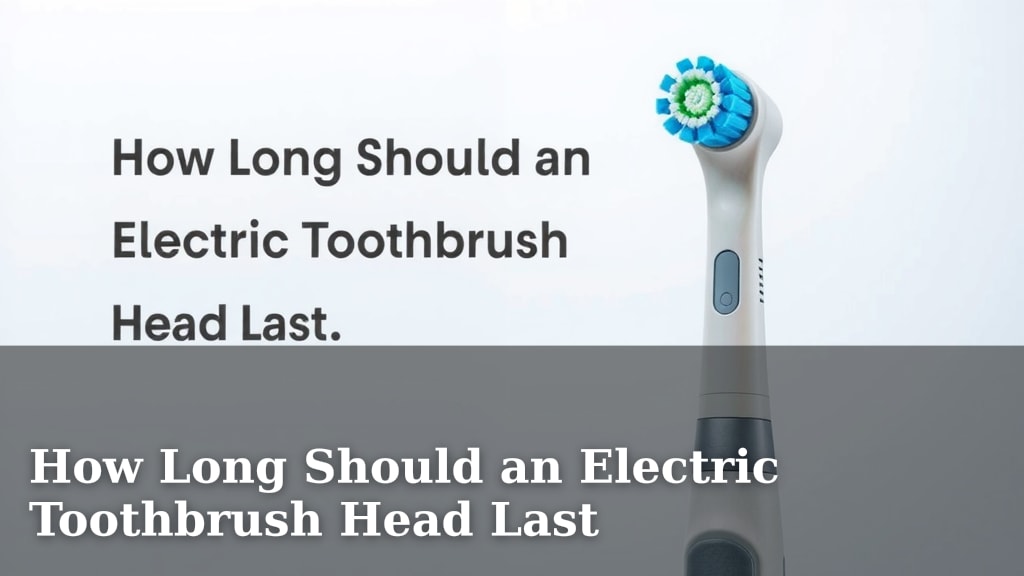
How Long Should an Electric Toothbrush Head Last
You should aim to replace your electric toothbrush head every 3 to 4 months. This timeframe ensures you’re getting the best clean and not brushing with worn-out bristles. Waiting too long can make your brushing less effective and potentially harm your gums.
We found that this general guideline is supported by many dental professionals and toothbrush manufacturers. Ignoring this simple maintenance step can lead to a build-up of bacteria on your brush head. This can actually make your smile less healthy, not more.
- Electric toothbrush heads need replacing every 3-4 months.
- Worn bristles reduce cleaning effectiveness.
- Replace sooner if bristles fray prematurely.
- Check your specific toothbrush brand’s recommendation.
Below, we’ll break down exactly why this timeframe matters and what signs to look for that tell you it’s time for a new head.
When to Swap Your Electric Toothbrush Head
You might be wondering how often you really need to change your electric toothbrush head. It’s a common question! We found that most dental professionals and manufacturers agree on a general timeline. It’s not just about getting a nice shine. It’s about keeping your mouth healthy.
The 3- to 4-Month Rule: Why It Matters
So, why 3 to 4 months? Think of your toothbrush bristles like tiny soldiers. They work hard to sweep away plaque and food particles. Over time, these soldiers get worn out. They start to bend and fray. This makes them less effective at reaching all the nooks and crannies.
What Happens to Worn Bristles?
When bristles fray, they don’t scrub as well. It’s like trying to sweep your floor with a broom that’s lost its stiffness. You’ll miss spots. This means more plaque can build up. Plaque is the main culprit behind cavities and gum disease. So, a worn-out brush head can actually lead to a less clean mouth.
Beyond the Timeline: Signs It’s Time
While 3 to 4 months is a good guideline, your toothbrush head might need replacing sooner. You need to be your own brush head detective. Keep an eye out for a few tell-tale signs. These will let you know it’s time for a fresh start, even if you haven’t hit that 4-month mark yet.
Visible Fraying or Wear
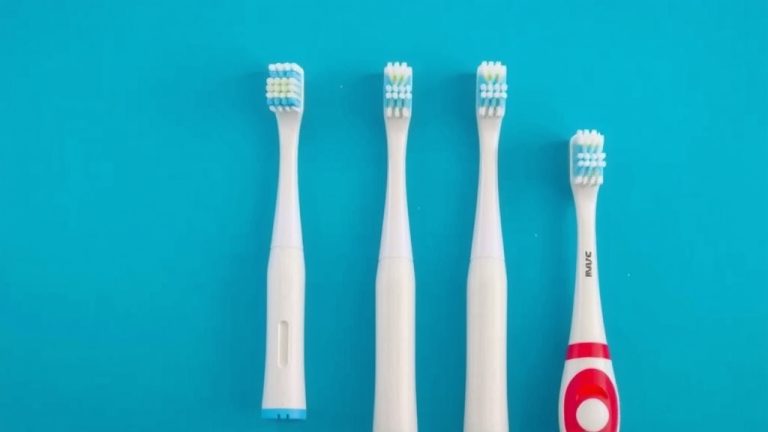
The most obvious sign is when the bristles start to look messy. If they’re bent, splayed out, or look generally unkempt, they’re probably not cleaning effectively anymore. Imagine trying to comb your hair with a brush that’s missing half its bristles. It just won’t work well. You want those bristles standing tall and ready for action!
Discoloration or Grime
Sometimes, you might notice discoloration or a bit of grime clinging to the bristles. This can happen even with regular rinsing. It’s a sign that bacteria might be starting to build up. While brushing, you don’t want to spread old bacteria around your mouth. A clean brush head means a cleaner brushing experience.
Reduced Cleaning Performance
Do your teeth still feel as smooth and clean after brushing as they used to? If you notice a decline in that squeaky-clean feeling, your brush head might be the culprit. It’s like your favorite kitchen sponge getting old. It just doesn’t absorb or scrub like it did when it was new. Your toothbrush head works similarly.
Why Consistency is Key for Oral Health
Sticking to a regular replacement schedule is one of the easiest ways to maintain good oral hygiene. It’s a small step that makes a big difference. Think of it like changing the oil in your car. It’s a routine maintenance task that keeps everything running smoothly. Your toothbrush head is no different.
Preventing Dental Issues with Fresh Bristles
Using a worn-out toothbrush head can contribute to problems like gingivitis. Gingivitis is an early form of gum disease. It can cause your gums to become red, swollen, and sometimes bleed. Fresh bristles are better at removing the plaque that causes these issues. They also tend to be gentler on your gums, reducing the risk of irritation.
The Link Between Brush Heads and Effectiveness
Many studies show that electric toothbrushes are highly effective at removing plaque. This effectiveness relies heavily on the condition of the brush head. When bristles degrade, the cleaning power diminishes. The American Dental Association (ADA) recommends replacing toothbrushes (manual or electric heads) when they show signs of wear, typically every 3 to 4 months.
Finding Your Specific Toothbrush’s Needs
While the 3- to 4-month rule is a great starting point, different brands might have slightly different recommendations. It’s always a good idea to check what the manufacturer suggests for your specific model. You can usually find this information in the product manual or on the brand’s website. They know their brushes best!
Manufacturer Guidelines: A Closer Look
Some brands might suggest a slightly shorter replacement cycle, especially for certain types of brush heads or bristle technologies. Others might be perfectly fine with you sticking to the longer end of the spectrum. Why not take a moment to look up your brand? It’s a quick check that ensures you’re following the best advice for your device.
Cost-Saving Tips for Brush Head Replacements
We know that buying replacement brush heads can add up. One smart way to manage this is to look for multi-packs. Often, buying a pack of four heads is cheaper per head than buying them individually. Many brands also offer subscription services. These can sometimes provide a discount and ensure you never forget to replace your head. It’s like having your oral hygiene on autopilot!
A Quick Checklist for Your Brush Head
Here’s a simple checklist to help you remember when it’s time to make the switch:
- Have you reached the 3-month mark?
- Are the bristles starting to look frayed or splayed?
- Do you notice any unusual discoloration or grime?
- Does your mouth feel less clean after brushing?
- Did your toothbrush manufacturer recommend an earlier replacement?
- Is it over 4 months and the bristles look perfectly fine? (Consider replacing anyway!)
Conclusion
You’ve learned that replacing your electric toothbrush head every 3 to 4 months is key for optimal oral hygiene. This simple habit ensures your bristles are effective at removing plaque and preventing gum issues. Pay attention to visible signs like fraying or discoloration, as these mean it’s time for a change even sooner. Make it a point to check your manufacturer’s specific guidelines, too. Your next step? Mark your calendar or set a reminder right now to swap your brush head on schedule. Your smile will thank you for it!
Frequently Asked Questions
Can I just rinse my electric toothbrush head instead of replacing it?
While rinsing is important after each use, it doesn’t remove the wear and tear on the bristles. Worn-out bristles lose their effectiveness and can harbor bacteria over time. Regular replacement is necessary for a proper clean.
How often do special electric toothbrush heads need replacing?
Generally, special brush heads like those for sensitive gums or whitening follow the same 3 to 4 month replacement guideline. However, always check the manufacturer’s instructions for your specific model, as some specialized heads may have different recommendations.
Is it bad to use an electric toothbrush head for too long?
Yes, using a brush head for too long is not ideal for your oral health. Worn bristles clean less effectively, potentially leading to plaque buildup, cavities, and gum irritation. Plus, an old brush head can start to accumulate bacteria.
What if my electric toothbrush head looks fine after 4 months?
Even if the bristles appear to be in good condition, they might have lost some of their cleaning power and flexibility. Experts still recommend replacing them around the 4-month mark to ensure you’re getting the best possible clean and to prevent potential bacterial growth.
Can I use a manual toothbrush head on my electric toothbrush?
No, you cannot interchange manual and electric toothbrush heads. Electric toothbrush heads are specifically designed to fit and oscillate or vibrate with the motorized handle of an electric toothbrush. They are not compatible with manual toothbrushes.