How Are You Supposed to Use an Electric Brush?
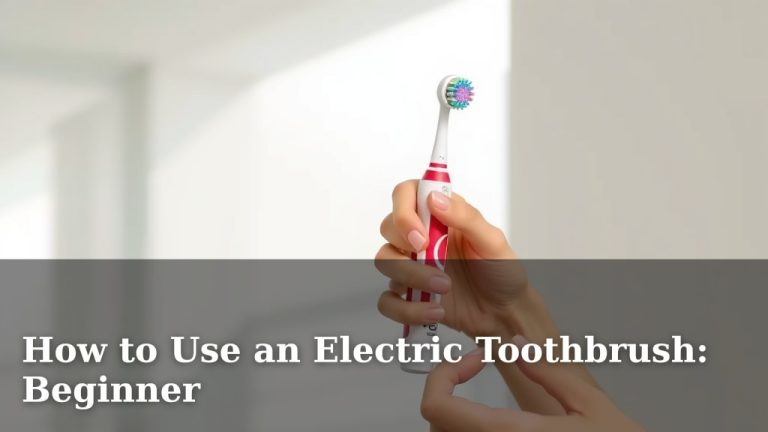
Using an electric toothbrush is pretty simple once you get the hang of it. You just need to guide the brush head over your teeth, letting the bristles do the work. Think of it as gently massaging each tooth surface, rather than scrubbing like you might with a manual brush. Make sure to cover all sides of your teeth for a thorough clean.
Many people wonder if electric toothbrushes are really better. Research and studies have shown that electric toothbrushes can be more effective at removing plaque and reducing gum disease. They often come with built-in timers to help you brush for the recommended two minutes. This makes achieving a healthier smile much easier for most users.
- Guide the brush; don’t scrub.
- Let the bristles work on each tooth.
- Cover all surfaces for a complete clean.
- Electric brushes are often better for plaque removal.
Ready to learn how to get the most out of your electric toothbrush? Let’s walk through the simple steps to ensure you’re brushing effectively.
Getting Started with Your Electric Toothbrush
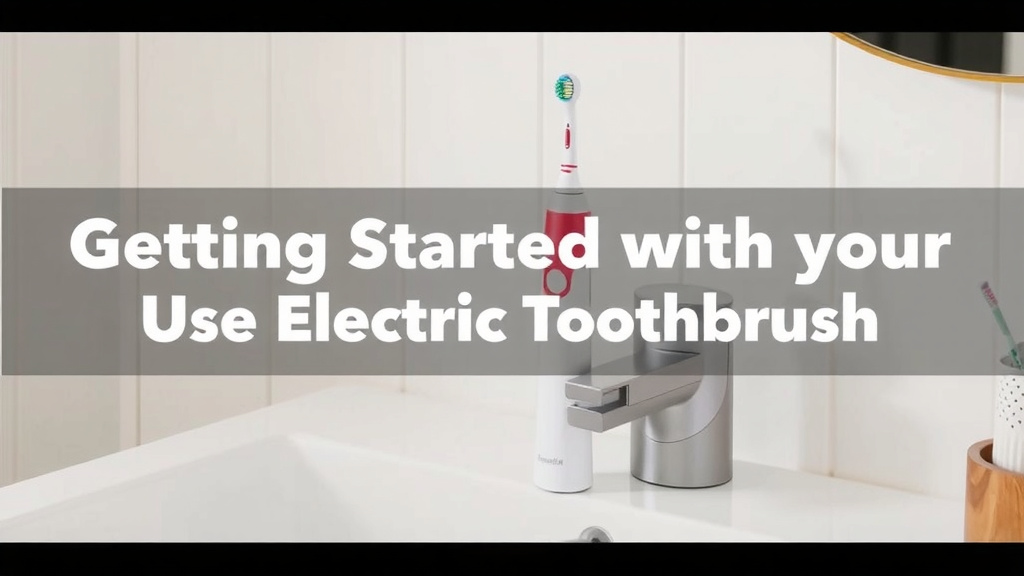
So, you’ve got a shiny new electric toothbrush. That’s fantastic! You’re probably wondering how to best use it for that sparkling smile. It’s simpler than you might think. The main difference from a manual brush is that your electric brush does most of the hard work for you. Your job is to guide it gently. You don’t need to scrub at all. Think of it as giving each tooth a little pampering session. We’ll walk you through the easy steps to make sure you’re cleaning effectively and safely.
Your Electric Toothbrushing Technique: A Step-by-Step Guide
Let’s get your brushing routine down. The goal is to remove plaque and keep your gums healthy. It’s all about covering every surface of every tooth. We’ve found that a little bit of attention to detail goes a long way.
Preparation is Key
Before you even turn it on, there are a couple of quick things to do. First, wet the brush head. You don’t need a lot of water; just a quick rinse is fine. Next, apply a pea-sized amount of toothpaste. Don’t go overboard; too much foam can make it harder to see what you’re doing. Most dentists agree that the amount of toothpaste is less important than the technique.
The Brushing Process
This is where the magic happens. Hold the brush head at a 45-degree angle to your gum line. This angle is important for cleaning both the tooth surface and along the gum line where plaque loves to hide. Then, simply let the brush do its thing. Move it slowly from tooth to tooth. Don’t press too hard. The bristles are designed to vibrate or oscillate, creating micro-movements that clean the teeth effectively.
Cleaning the Outer Surfaces
Start with the outer surfaces of your teeth. Place the brush head on one tooth, hold it there for a few seconds, and then move to the next tooth. Work your way around your entire mouth, covering all the outer surfaces. Remember to keep that gentle pressure. Many electric toothbrushes have pressure sensors. They’ll alert you if you’re pushing too hard, which is a great feature for preventing gum damage.
Tackling the Inner Surfaces
Next, move to the inner surfaces. These are often harder to reach. For the front teeth, tilt the brush head vertically and use gentle up-and-down strokes. For the back teeth, just position the brush head as best as you can. Again, let the bristles do the work. Patience here pays off. We found that spending an extra few seconds on these areas makes a big difference.
Don’t Forget the Chewing Surfaces
Finally, clean the chewing surfaces of your molars. Hold the brush head flat against these surfaces and let it vibrate. This helps dislodge any food particles or plaque that might be sitting in the grooves. It’s a quick step, but it ensures a complete clean for your entire tooth.
Brushing Time: The Two-Minute Rule
Most electric toothbrushes come with a built-in timer. This is a game-changer for many people. The recommended brushing time is two minutes. Some brushes even have quadpacers. These are little pauses every 30 seconds to let you know it’s time to move to a different section of your mouth. Divide your mouth into four quadrants: upper right, upper left, lower right, and lower left. Brush each quadrant for 30 seconds. This ensures you’re giving each area adequate attention.
Rinsing and Finishing Up
Once the timer goes off, you’re done with brushing! Rinse your mouth with water. Rinse the brush head thoroughly under running water to remove any toothpaste or debris. Store your toothbrush upright to allow it to air dry. This helps prevent bacteria growth. Some people prefer to use a mouthwash after brushing, which is perfectly fine. Just make sure to let your mouth settle for a minute or two before using mouthwash.
Tips for a Superior Clean
To really maximize your electric toothbrush’s potential, consider these extra tips. They’re simple but effective.
Keep Your Brush Head in Good Shape
Electric toothbrush heads aren’t meant to last forever. We found that replacing your brush head every three to four months is standard advice from dental professionals. If the bristles look frayed or worn, it’s time for a new one, regardless of the timeline. Worn bristles won’t clean as effectively and can even damage your gums.
Consider Different Brush Head Types
Did you know there are different types of brush heads? Some are designed for sensitive gums, some for whitening, and others for deep cleaning. Your electric toothbrush handle will likely work with various types. If you have specific dental concerns, like sensitivity or braces, look for a brush head tailored to your needs. Your dentist can offer great advice on this.
Don’t Neglect Your Tongue
While the main focus is on your teeth and gums, don’t forget your tongue. A buildup of bacteria on your tongue can lead to bad breath. Some electric toothbrushes have a tongue-cleaning mode or specific tongue scrapers. If yours doesn’t, you can gently brush your tongue with the toothbrush bristles or use a separate tongue scraper.
Common Mistakes to Avoid
Even with a great tool, it’s easy to slip into old habits. Here are a few common mistakes we see and how to avoid them.
- Scrubbing too hard: Remember, the electric brush vibrates or oscillates. You just need to guide it. Let the brush do the cleaning.
- Skipping areas: Use that built-in timer and quadrant pacing to ensure you cover all surfaces. Don’t rush through sections.
- Not replacing the brush head: A worn-out brush head is ineffective. Swap it out regularly for optimal cleaning power.
- Using too much toothpaste: A small amount is all you need. Too much creates excess foam and can be wasteful.
- Forgetting the gum line: Position the brush at a 45-degree angle to clean along your gum line. This is a prime spot for plaque.
Your Electric Toothbrush Checklist for Success
To help you get into a great routine, keep this quick checklist handy:
- Wet brush head and apply pea-sized toothpaste.
- Hold brush at a 45-degree angle to gums.
- Guide brush; don’t scrub.
- Brush all surfaces for the full two minutes.
- Rinse brush head and store upright.
- Replace brush head every 3-4 months.
Conclusion
You’re now equipped to master your electric toothbrush! Remember, the key is gentle guidance, not aggressive scrubbing. Let the brush’s vibrations or oscillations do the heavy lifting. Consistently following the 45-degree angle towards your gum line and dedicating the full two minutes to brushing ensures you reach every surface. By keeping your brush head in good condition and avoiding common mistakes, you’re setting yourself up for a healthier, brighter smile. Start implementing these tips today for a noticeably cleaner feel after every brush!
Frequently Asked Questions
How long should I hold the electric toothbrush on each tooth?
You should hold the electric toothbrush on each tooth for a few seconds. The goal is to let the bristles gently vibrate or oscillate against the surface. This allows the brush to effectively remove plaque without requiring you to move it rapidly.
What’s the best way to clean the back of my front teeth with an electric toothbrush?
To clean the back of your front teeth, tilt the electric toothbrush head vertically. Use gentle up-and-down strokes along the gum line and the tooth surface. This angled approach helps you reach these often-missed areas effectively.
Can I use an electric toothbrush if I have sensitive gums?
Yes, you can! If you have sensitive gums, it’s important to use a soft-bristled brush head and apply very light pressure. Many electric toothbrushes have pressure sensors that alert you if you’re pressing too hard, which is ideal for sensitive mouths.
How often should I replace my electric toothbrush head?
You should replace your electric toothbrush head typically every three to four months. Dental professionals recommend this to ensure optimal cleaning performance. If you notice the bristles are frayed or splayed before then, it’s time for a replacement.
Is it okay to rinse my mouth with water immediately after using an electric toothbrush?
Yes, it’s perfectly fine to rinse your mouth with water right after brushing with an electric toothbrush. Some dentists suggest waiting a minute or two to let fluoride from the toothpaste work on your teeth, but a quick rinse is generally acceptable.