How to Deep Clean Your Electric Toothbrush for Optimal Hygiene
The easiest way to keep your electric toothbrush clean is with a simple rinse and dry routine after every use. This helps prevent germ buildup and keeps your brush head fresh. Regularly cleaning your electric toothbrush ensures it works effectively and lasts longer.
Did you know your toothbrush can harbor more bacteria than you think? That’s why a little regular maintenance is so important. We found that many common issues, like a stinky brush head, are easily avoided with simple steps. Proper cleaning also protects your dental health.
- Rinse the brush head thoroughly after each use.
- Dry the brush head completely before storing.
- Occasionally clean the handle and charging base.
- Replace brush heads as recommended by the manufacturer.
Ready to make sure your electric toothbrush stays sparkling and hygienic? Let’s walk through the best methods step by step.
Caring for Your Electric Toothbrush: A Simple Guide
Keeping your electric toothbrush clean is easier than you might think. A few simple habits will keep it hygienic and working its best. You can prevent germs and bacteria from building up. This ensures your brushing routine is always fresh and effective. Let’s make sure your toothbrush is a tool for good oral health, not a breeding ground for unwanted guests.
Daily Cleaning Habits for a Sparkling Toothbrush
Your electric toothbrush needs a little attention after each use. This daily care is the most important step. It prevents residue from hardening and keeps the brush head sanitary.
Rinsing is Key
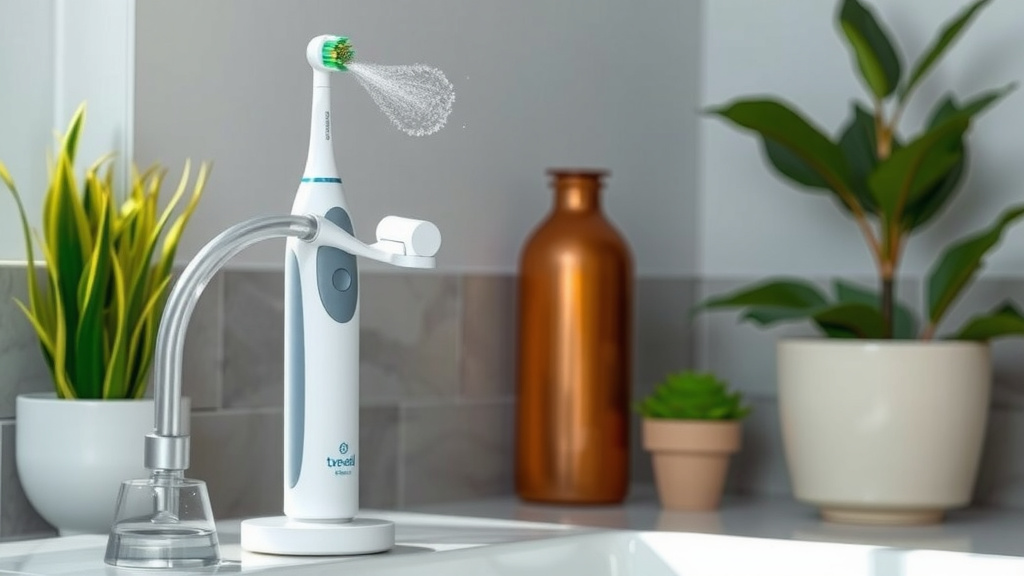
After you finish brushing, turn on your electric toothbrush briefly under running water. This helps to wash away any toothpaste and debris. You want to get all the tiny bits of paste out. Don’t forget to rinse around the bristles and where the brush head connects to the handle. Many sources suggest this quick rinse is your first line of defense.
The Importance of Drying
Drying your toothbrush head thoroughly is just as vital as rinsing. Moisture can encourage bacterial growth. After rinsing, gently shake off excess water. Then, pat the bristles dry with a clean paper towel or let it air dry completely. You can stand the toothbrush upright to help it dry faster. This simple step prevents a damp environment where germs love to party.
Dealing with Toothpaste Residue
Sometimes, toothpaste can leave a sticky film. If you notice this, use a damp cloth to wipe down the brush head and the handle. Pay special attention to the connection point between the brush head and the handle. This area can trap moisture and paste. Regular wiping keeps everything clean and prevents buildup.
Deep Cleaning Your Electric Toothbrush: When and How
While daily rinsing and drying are great, a deeper clean is sometimes needed. This helps tackle any stubborn residue or potential odors. Aim to do this about once a week.
Cleaning the Brush Head More Thoroughly
For a deeper clean, you can remove the brush head from the handle. Soak the brush head in a mild mouthwash or a mixture of water and a tiny bit of hydrogen peroxide for about 10 minutes. This can help disinfect the bristles and remove any lingering bacteria. After soaking, rinse it very well under running water. Ensure all traces of mouthwash or peroxide are gone before reattaching it to the handle. Many dental professionals recommend periodic disinfection.
Cleaning the Toothbrush Handle
Don’t forget the handle! It can accumulate toothpaste and water spots. Wipe the handle with a damp cloth. For a more thorough clean, you can use a mild soap and water. Make sure to dry it completely afterward. Avoid getting water into any charging ports or openings. Water damage can be a real bummer for your toothbrush.
Don’t Forget the Charging Base!
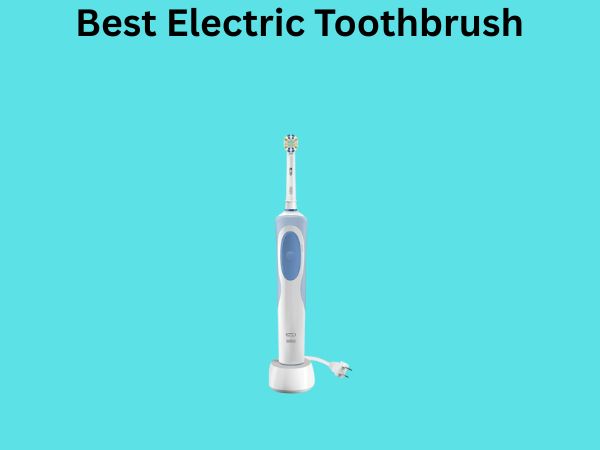
Your charging base can also collect dust and toothpaste splatters. Unplug the charger. Wipe it down with a damp cloth. If it’s a stand-type charger, make sure to clean any crevices where gunk can hide. A dry toothbrush and a clean base mean a healthier oral hygiene routine. We found that a dirty base is often overlooked.
When to Replace Your Brush Heads
Even with the best cleaning, brush heads wear out. Replacing them regularly is crucial for effective cleaning and hygiene. Most manufacturers recommend changing brush heads every **three to four months**. You should also replace them sooner if the bristles become frayed or damaged. Worn bristles don’t clean your teeth as well. Think of them like old running shoes; they just don’t perform the same when they’re worn out.
Signs It’s Time for a New Brush Head
- Bristles are visibly frayed or splayed out.
- The brush head looks discolored or stained.
- You’ve had the same brush head for over three months.
- Your teeth don’t feel as clean after brushing.
Many electric toothbrush brands have indicator bristles that fade over time. This is a helpful visual cue. When you see them fade, it’s a clear sign it’s time for a refresh.
Common Pitfalls to Avoid
There are a few common mistakes people make that can affect their toothbrush’s cleanliness. Knowing these can help you avoid them.
Sharing is Not Caring (for Toothbrushes!)
Never share your electric toothbrush or brush heads. Toothbrushes can spread germs and bacteria. Each person should have their own brush head. It’s a simple rule for good hygiene. We found that sharing is one of the fastest ways to swap germs.
Dishwashers and Microwaves: A No-Go Zone
Resist the urge to toss your brush head in the dishwasher or microwave for cleaning. The extreme heat can damage the plastic and bristles. This can actually make your brush head less effective and potentially harbor more bacteria in damaged areas. Stick to the recommended cleaning methods.
Storing It Wrong
Avoid storing your toothbrush in closed containers or cabinets immediately after use. This traps moisture. It’s better to let it air dry completely in an open space. A toothbrush holder that allows air circulation is ideal. Keeping it upright and away from the toilet is also recommended by many dental associations, like the CDC.
Your Electric Toothbrush Cleaning Checklist
Here’s a quick rundown to keep your electric toothbrush in top shape:
- Rinse brush head thoroughly after every brushing session.
- Shake off excess water and allow the brush head to air dry completely.
- Wipe down the handle and charging base weekly with a damp cloth.
- Perform a deeper clean of the brush head periodically (e.g., soak in mouthwash).
- Replace brush heads every 3-4 months or when bristles fray.
- Store your toothbrush upright in a well-ventilated area.
Following these simple steps will help you maintain a clean, hygienic electric toothbrush. This keeps your smile bright and healthy. Your mouth will thank you for it!
Conclusion
You’ve learned how simple steps can keep your electric toothbrush hygienic and performing its best. Consistent daily rinsing and thorough drying are your first lines of defense against germs. Occasional deeper cleans and timely brush head replacements ensure optimal oral health. By avoiding common pitfalls like sharing or improper storage, you protect yourself and your investment. Make these habits part of your routine, and you’ll enjoy a cleaner mouth and a longer-lasting toothbrush. Now, take a moment to check your toothbrush – is it time for a quick rinse or a new brush head?
Frequently Asked Questions
How often should I replace my electric toothbrush head?
Most manufacturers recommend replacing your electric toothbrush head every three to four months. However, you should also consider replacing it sooner if the bristles appear frayed or splayed. Worn bristles are less effective at cleaning your teeth.
Can I put my electric toothbrush head in the dishwasher?
It’s best to avoid putting your electric toothbrush head in the dishwasher. The high heat from the dishwasher can damage the bristles and plastic components. This can make the brush head less effective and potentially harbor more bacteria.
What’s the best way to dry my electric toothbrush?
After rinsing, gently shake off excess water. Then, you can pat the bristles dry with a clean paper towel or simply let it air dry completely. Standing the toothbrush upright in a holder can help speed up the drying process.
Is it okay to share an electric toothbrush handle with different brush heads?
No, it is not recommended to share electric toothbrush handles or brush heads. Each person should have their own dedicated brush head to prevent the spread of bacteria and germs. This is a simple yet important hygiene practice.
My electric toothbrush handle looks a bit grimy. How can I clean it?
You can easily clean the handle by wiping it down with a damp cloth. If there’s stubborn toothpaste residue, a little mild soap and water will work. Just be sure to dry the handle completely and avoid getting any moisture into charging ports or openings.