Electric Toothbrush vs Water Flosser: Need Both?
You might be wondering if you really need both an electric toothbrush and a water flosser. The short answer is: yes, for optimal oral health, using both is highly recommended. While an electric toothbrush cleans the surfaces of your teeth exceptionally well, a water flosser targets areas your brush can’t reach, like between teeth and below the gumline.
Many dental professionals agree that a good brushing routine is just the first step. We found that combining these tools offers a superior clean that can significantly reduce plaque and improve gum health. Think of them as a dynamic duo for your smile, each playing a vital role.
TL;DR:
- Electric toothbrush cleans tooth surfaces.
- Water flosser cleans between teeth and gums.
- Using both provides the best clean.
- Experts recommend this combo for gum health.
- It’s a dual approach to a healthier smile.
Let’s dive deeper into why these two devices are such a powerful pair for your daily dental care routine.
Electric Toothbrush and Water Flosser: A Powerful Oral Hygiene Partnership
So, you’re wondering if you really need both an electric toothbrush and a water flosser? The answer is a resounding yes, especially if you’re aiming for the best possible oral health. While your trusty electric toothbrush does a fantastic job cleaning the surfaces of your teeth, it can’t quite reach all the hidden spots. That’s where a water flosser steps in, targeting those tricky areas like between your teeth and just below the gumline.
Many dental professionals recommend this dynamic duo. We found that using both together provides a superior clean, which can significantly reduce plaque and lead to healthier gums. Think of them as your smile’s ultimate cleaning crew, with each tool playing a vital role in keeping things sparkling.
Why Your Electric Toothbrush Needs a Partner
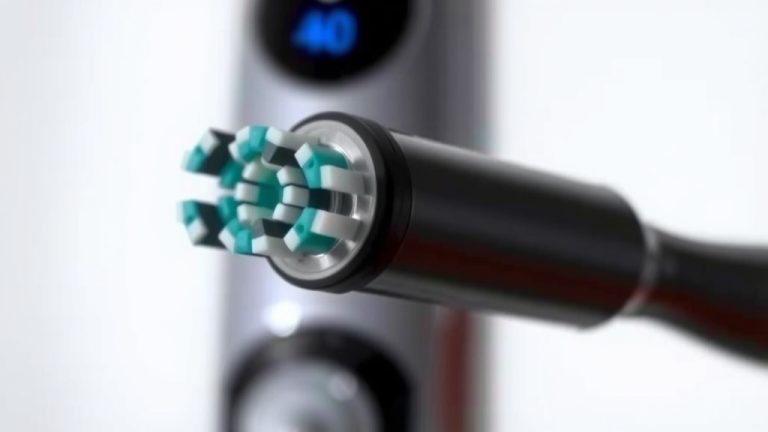
Your electric toothbrush is a champion at removing plaque and food particles from the visible surfaces of your teeth. Its oscillating or sonic vibrations can sweep away more debris than a manual brush. This is great for keeping your tooth enamel clean and shiny. We found that electric toothbrushes are particularly effective at reducing gingivitis (Cleveland Clinic).
However, even the best electric toothbrush has its limits. It primarily cleans what it can physically touch. The tight spaces between teeth and the gum pockets are often too narrow for brush bristles to penetrate effectively. This leaves behind plaque and bacteria, which can lead to problems down the line.
Understanding the Role of Water Flossing
A water flosser, sometimes called an oral irrigator, uses a stream of water to clean. It works by flushing out food particles and plaque from areas a toothbrush can’t reach. Imagine a tiny, powerful pressure washer for your mouth! It’s especially beneficial for people with braces, bridges, or dental implants, where traditional flossing can be difficult.
We found that water flossers are remarkably effective at reaching below the gumline. This is a critical area where gum disease often begins. The pulsing water action can gently disrupt bacterial colonies. This helps to reduce gum bleeding and improve overall gum health.
How Water Flossing Benefits Your Gums
Gum health is fundamental to your overall well-being. When bacteria build up along the gumline, they can cause inflammation, leading to gingivitis. If left untreated, this can progress to more serious conditions like periodontitis, which can affect the bone supporting your teeth.
Water flossers can reach these delicate gum areas more effectively than string floss for some individuals. The gentle yet firm stream of water can clear out debris and bacteria without causing irritation. Many users report healthier-looking gums after just a few weeks of consistent water flossing.
The Synergy: How They Work Better Together
When you combine an electric toothbrush with a water flosser, you create a comprehensive cleaning system. The toothbrush tackles the broad surfaces, ensuring a deep clean where it matters most. Then, the water flosser goes in for the detail work, reaching into those hard-to-access nooks and crannies.
This two-pronged approach means you’re not just cleaning; you’re achieving a truly thorough clean. It’s like vacuuming your floors and then mopping them – both steps are necessary for a pristine finish. We found that this combined method can lead to a noticeable improvement in oral hygiene.
Benefits of the Electric Toothbrush + Water Flosser Combo
Using both devices consistently can bring about several positive changes:
- Reduced Plaque Buildup: Tackles plaque on surfaces and between teeth.
- Improved Gum Health: Cleans below the gumline to prevent inflammation.
- Fresher Breath: Removes trapped food particles that cause odor.
- Easier Dental Care: Especially helpful for those with dental work.
- Greater Confidence: Knowing your smile is truly clean.
Who Benefits Most from This Duo?
While everyone can benefit from a cleaner mouth, certain individuals will find this combination particularly advantageous. If you have a history of gum disease, you’ll appreciate the extra cleaning power. People with crowded teeth or dental restorations, like braces, crowns, or bridges, often find it challenging to clean effectively with just brushing and traditional flossing.
For those who find string flossing difficult or uncomfortable, a water flosser is a fantastic alternative. It provides a similarly effective clean with less dexterity required. We found that many people stick with water flossing because it’s easier and more enjoyable than traditional methods.
Specific Situations Where the Combo Shines
Consider this duo if you:
- Have braces or other orthodontic appliances.
- Wear dental implants, bridges, or crowns.
- Suffer from frequent gum bleeding or gingivitis.
- Have tight teeth spacing or hard-to-reach areas.
- Are looking for the absolute best in home oral care.
| Feature | Electric Toothbrush | Water Flosser |
|---|---|---|
| Primary Action | Surface cleaning with bristles | Pulsating water stream |
| Target Areas | Tooth surfaces | Between teeth, gumline, pockets |
| Plaque Removal | Excellent on surfaces | Effective in hard-to-reach areas |
| Gum Health | Stimulates gums, removes surface plaque | Cleans below gumline, reduces bacteria |
| Best For | Overall daily brushing | Interdental cleaning, deep gumline cleaning |
Making the Switch: Tips for Success
Ready to enhance your oral hygiene routine? Start by incorporating both tools consistently. Aim to brush twice a day with your electric toothbrush. Then, use your water flosser once a day, ideally before brushing.
Some find it helpful to start with a lower water pressure setting on their water flosser and gradually increase it as they become accustomed to the sensation. Don’t be discouraged if it feels a little unusual at first. Most people adapt quickly and notice the difference.
Your Daily Dental Checklist for Optimal Cleanliness
To ensure you’re getting the most out of your routine, try this simple checklist:
- Brush with your electric toothbrush twice daily for two minutes.
- Use your water flosser once daily, directing the stream along the gumline and between teeth.
- Pay attention to all areas of your mouth.
- Replace your toothbrush head as recommended.
- See your dentist regularly for check-ups.
By integrating both an electric toothbrush and a water flosser into your daily routine, you’re taking a significant step towards superior oral health. It’s an investment in your smile that pays off in the long run. You’re essentially giving your teeth and gums the most thorough clean possible from the comfort of your own home.
Conclusion
You’ve seen how an electric toothbrush and a water flosser work together beautifully. Your electric brush tackles tooth surfaces, while the water flosser cleans between teeth and below the gumline. This powerful pairing ensures you’re not missing key areas. Together, they offer a far superior clean than either tool alone.
Ready to give your smile the ultimate clean? Make a plan to integrate both into your daily routine. Start by brushing twice a day with your electric toothbrush and water flossing once a day. Your gums and teeth will thank you for it.
Frequently Asked Questions
How often should I use a water flosser?
We found that using your water flosser once a day is ideal for most people. It’s best to do it after brushing. This helps to remove any loosened debris and plaque. Consistent daily use will help you see the best results for your gum health.
Can I use a water flosser instead of traditional string floss?
Yes, many people find a water flosser to be an excellent alternative to string floss. If you find string flossing difficult or uncomfortable, water flossing offers similar benefits. It effectively cleans between teeth and along the gumline.
Is an electric toothbrush better than a manual one?
Research and user experience consistently show that electric toothbrushes are generally more effective. They help remove more plaque and reduce gingivitis compared to manual brushes. Their vibrating or rotating heads make cleaning easier and more thorough.
When is the best time to water floss?
The general recommendation is to water floss once a day. Many find it most effective to use it after brushing their teeth. This way, your toothbrush loosens debris, and the water flosser rinses it away from those hard-to-reach spots.
Do I need a special toothpaste with an electric toothbrush?
No, you do not need special toothpaste for an electric toothbrush. You can use your favorite regular toothpaste. Just be sure it contains fluoride for cavity protection. The electric toothbrush’s action does the heavy lifting for cleaning.