Electric vs Manual: What the Research Shows
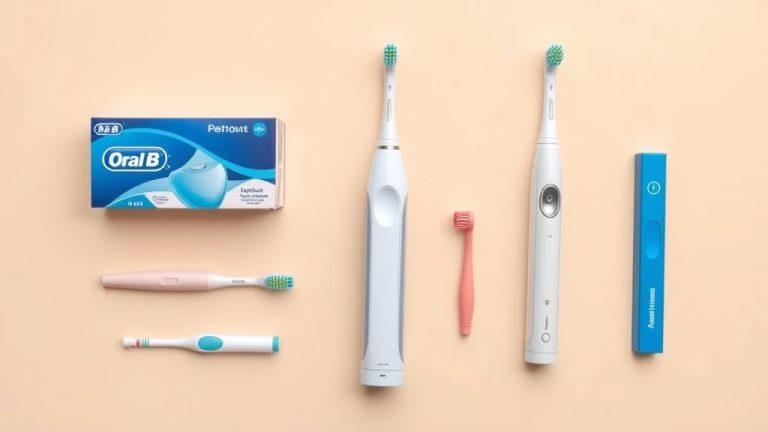
When choosing between an electric toothbrush and a manual one, research consistently shows that electric toothbrushes generally clean your teeth more effectively. They often remove more plaque and reduce gingivitis better than manual brushes. You might find an electric brush makes brushing easier and more thorough, especially if you struggle with manual technique. It’s about finding the tool that helps you achieve the best possible clean.
The core difference lies in the power source. Electric brushes use a motor to move the brush head for you. This can lead to a more consistent and vigorous cleaning action. While a manual brush requires you to do all the work, an electric one offers a bit of help. Many studies point to this power and motion difference as key to their superior performance in many cases. Your dental health might thank you for the upgrade.
TL;DR:
- Electric toothbrushes typically remove more plaque.
- They are often better at reducing gum inflammation (gingivitis).
- Their powered motion helps ensure a more consistent clean.
- Manual brushes can still be effective with proper technique.
- Consider your personal brushing habits and goals.
Let’s dive into what the science really says about electric versus manual toothbrushes to help you make the best choice for your smile.
Comparing Electric vs. Manual Toothbrush Effectiveness
So, you’re wondering which toothbrush is the real champion for your smile? Research consistently shows that electric toothbrushes often come out on top. They tend to remove more plaque than their manual counterparts. This can be a big deal for preventing cavities and keeping your gums healthy.
When we look at the studies, a clear pattern emerges. Electric toothbrushes usually do a better job of getting rid of that sticky film of bacteria. It’s not just about feeling clean; it’s about actual measurable differences in plaque levels. This is why many dental professionals lean towards recommending them for everyday use.
Plaque Removal: The Electric Edge
Let’s get down to the nitty-gritty. Multiple studies, often gathered in systematic reviews, have compared how well electric and manual toothbrushes remove plaque. The findings are quite consistent. Electric models, especially those with oscillating-rotating heads, tend to remove a significantly higher amount of plaque. Think of it like having a tiny cleaning crew working for you.
One review of many studies, published by Cochrane, found strong evidence that powered toothbrushes are more effective at plaque removal. This benefit was seen across different types of electric brushes. They simply seem to do more of the heavy lifting for you. This means less work for you and a cleaner mouth.
Reducing Gum Inflammation (Gingivitis)
Beyond just plaque, we also care about your gum health. Gingivitis, the early stage of gum disease, is characterized by red, swollen, and sometimes bleeding gums. It’s a common issue, and your toothbrush plays a role in managing it.
Research has also looked into how these brushes affect gingivitis. Again, electric toothbrushes often show a greater reduction in gum inflammation compared to manual brushes. This is likely a direct result of their superior plaque-removing capabilities. Less plaque means less irritation for your gums.
The Cochrane review mentioned earlier also noted that powered toothbrushes were better at reducing gingivitis. This benefit persisted over time, suggesting a long-term positive impact on gum health. So, if you’re concerned about your gums, an electric brush might be a wise investment.
Understanding the Mechanics: How They Work Differently
What makes an electric toothbrush so effective? It really boils down to the way they move. Unlike a manual brush, where you control every single stroke, an electric brush uses a motor. This motor powers the brush head in specific ways.
This powered motion is key. It can generate thousands of brush strokes per minute. That’s far more than you could achieve by hand. This consistent, high-speed action helps break up plaque and sweep it away efficiently. You don’t need to worry as much about perfecting your technique.
The Power of Oscillation and Rotation
Many electric toothbrushes use an oscillating-rotating motion. The brush head moves back and forth and also spins. This action is very effective at dislodging plaque from tooth surfaces and along the gumline. It’s a dynamic cleaning approach.
Some newer models also incorporate sonic vibrations. These brushes move at very high speeds, creating vibrations that can help disrupt plaque even slightly beyond where the bristles physically touch. It’s like a powerful, targeted clean. This dual action can be remarkably effective.
Manual Brushing: Technique is Key
Now, don’t count out your trusty manual toothbrush just yet! If you have excellent brushing technique, a manual brush can still get your teeth very clean. It requires more effort and precision from you, though.
To get the most out of a manual brush, you need to focus on proper technique. This means using gentle, short strokes. You should angle the brush towards your gumline. Many dental associations provide guides on the best way to brush manually. It’s all about consistency and reaching every surface.
The challenge with manual brushing is consistency. It’s easy to miss spots or not brush long enough. Your arm might get tired, or you might just rush through it. This is where the convenience and built-in timer of many electric brushes can really help you out.
Ease of Use and Accessibility
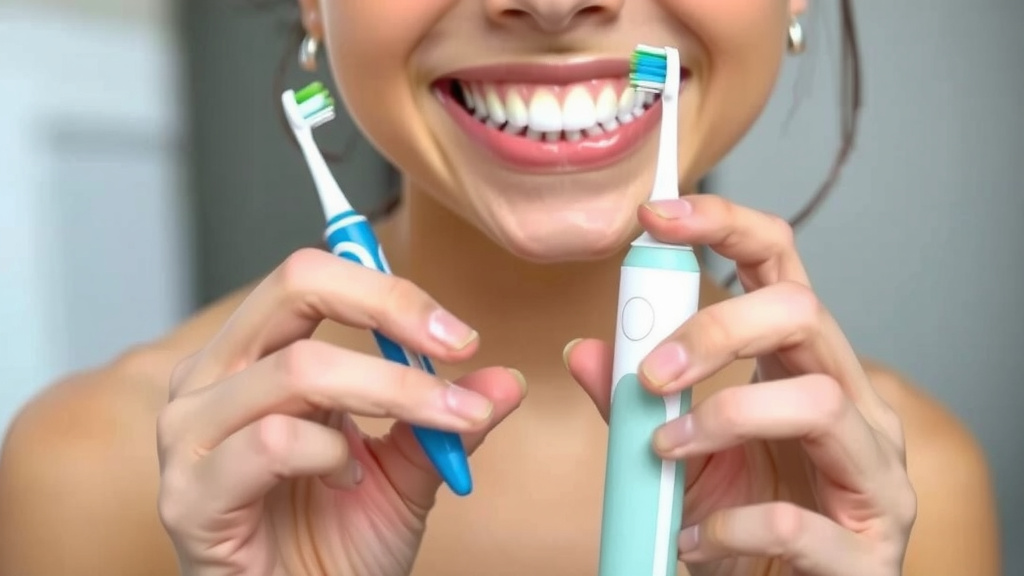
Let’s talk about what it’s like to actually use these brushes day-to-day. For many people, electric toothbrushes make brushing feel easier. This is especially true for individuals who have difficulty with manual dexterity.
Who Benefits Most from Electric?
People with conditions like arthritis or carpal tunnel syndrome often find electric brushes a lifesaver. The motor does the work, requiring less fine motor skill. Children can also benefit, as the powered motion can make brushing more engaging and effective, even if they haven’t mastered manual techniques.
Furthermore, the built-in timers on many electric toothbrushes are a fantastic feature. Dentists recommend brushing for two minutes. An electric brush often signals when you’ve reached that goal, ensuring you brush for the optimal amount of time. This takes the guesswork out of it.
When Manual Still Shines
Of course, manual toothbrushes are incredibly accessible and affordable. You don’t need to worry about charging them or replacing expensive brush heads as often. For travelers, a manual brush is simple and reliable.
If you’re on a tight budget or prefer a simpler approach, a manual toothbrush can still be a great tool. The most important thing is that you use it correctly and consistently. Your dentist can always offer personalized advice based on your specific needs.
| Feature | Electric Toothbrush | Manual Toothbrush |
|---|---|---|
| Plaque Removal | Generally more effective | Effective with proper technique |
| Gingivitis Reduction | Often better results | Can be effective with proper technique |
| Ease of Use | Requires less manual effort; timers built-in | Requires more user technique and effort |
| Cost | Higher initial cost, recurring brush head costs | Lower cost, brush heads inexpensive |
| Portability | Requires charging/batteries; bulkier | Lightweight, no power needed |
Making Your Choice: What the Research Encourages
When deciding, think about your personal habits and what helps you achieve the best clean. Research overwhelmingly points to electric toothbrushes as being more effective for plaque and gingivitis removal for the average person. Their powered motion and consistent action make them a powerful ally in your oral hygiene routine.
However, the “best” toothbrush is ultimately the one you will use correctly and consistently. If you’re diligent with your manual brushing technique, you can certainly maintain excellent oral health. But if you’re looking for an edge or find manual brushing a chore, an electric toothbrush might be the upgrade your smile needs.
Here’s a quick checklist to help you decide:
- Consider your current brushing habits.
- Think about any dexterity challenges you might have.
- Are you good at brushing for the full two minutes?
- What is your budget for oral care tools?
- Does the idea of powered cleaning appeal to you?
- Do you prioritize ease of use or simplicity?
Conclusion
Research consistently shows electric toothbrushes often provide a superior clean, removing more plaque and reducing gum inflammation better than manual brushes. The powered motion does much of the work for you, ensuring a more consistent and effective clean, especially if manual technique is a challenge. While a manual brush can be effective with perfect technique, an electric brush offers an easier path to better oral health for many. Consider your personal habits, dexterity, and budget. Ready to give your smile an upgrade? Talk to your dentist about which brush type might be best for your unique needs.
Frequently Asked Questions
Are electric toothbrushes really that much better than manual ones?
Research consistently finds that electric toothbrushes are generally more effective at removing plaque and reducing gingivitis. Their powered movements often provide a more thorough and consistent clean than what most people achieve with manual brushing.
Will an electric toothbrush automatically fix my bad brushing habits?
An electric toothbrush can make achieving a good clean easier, but it won’t magically fix poor habits on its own. You still need to guide the brush to all surfaces of your teeth and along the gumline.
Are expensive electric toothbrushes necessary for good results?
While premium models offer advanced features, studies show that even basic electric toothbrushes often outperform manual ones. The oscillating-rotating or sonic action is the key factor, not necessarily the price tag.
Is it true that manual toothbrushes are bad for your gums?
No, manual toothbrushes are not inherently bad for your gums. When used with proper technique—gentle strokes and correct angling—they can be very effective and safe for your gums.
How long should I brush my teeth with either type of toothbrush?
Dentists generally recommend brushing for a full two minutes, twice a day, regardless of whether you use an electric or manual toothbrush. Many electric brushes have built-in timers to help you reach this goal.