How Long Should You Charge Your Electric Brush?
You should typically charge your electric toothbrush for about 12 to 24 hours for a full charge. This ensures your toothbrush has enough power for its intended use, usually lasting a couple of weeks. Most charging bases for electric toothbrushes are designed for overnight charging, so leaving it on the charger for 16-24 hours is perfectly safe and recommended by many manufacturers.
Understanding how long to charge your electric toothbrush can feel a bit fuzzy. Different models have different battery lives and charging times. We found that most manufacturers aim for convenience, meaning you don’t need to worry about overcharging. Keeping it on its base between uses often helps maintain a healthy battery and ensures it’s always ready when you are.
- Most electric toothbrushes need 12-24 hours for a full charge.
- Overcharging is generally not an issue with modern electric toothbrushes.
- Leaving it on the charger between uses is usually fine.
- Check your specific model’s manual for exact charging times.
Let’s get into the specifics of charging your electric toothbrush, from what the lights mean to best practices for battery health.
Understanding Your Electric Toothbrush’s Charging Needs
So, you’ve got a shiny new electric toothbrush, and you’re wondering about the best way to keep it powered up. It’s a common question, and honestly, it’s simpler than you might think. Most modern electric toothbrushes are designed with your convenience in mind.
The general rule of thumb is that a full charge takes anywhere from 12 to 24 hours. This might sound like a long time compared to your smartphone, but it’s usually for good reason. This extended charging period ensures the battery reaches its maximum capacity, giving you weeks of brushing on a single charge.
How Long Does a Full Charge Really Take?
When you first unbox your electric toothbrush, it’s a good idea to give it a full charge before you start using it. This gets the battery cycle started on the right foot. Most manufacturers recommend charging it for at least 12 hours, but leaving it on the charging base for a full 24 hours is perfectly fine and often recommended by many experts.
Initial Charge: Setting the Stage
Think of this first charge like giving your toothbrush a good, long sleep. It needs that time to fully “wake up” its battery. This ensures you get the most out of it right from the start. Don’t rush this step; it’s a small investment of time for weeks of power.
Typical Charging Times by Brand (General Estimates)
While specific times can vary, here’s a general idea of what to expect. Keep in mind these are estimates, and your manual is always the best source of truth.
| Brand (Example) | Full Charge Time (Approximate) | Typical Use Per Charge |
|---|---|---|
| Philips Sonicare | 24 hours | 2 weeks |
| Oral-B (most models) | 12-24 hours | 1-2 weeks |
| Quip | ~12 hours (for magnetic charger) | 3 months (battery replacement) |
| Foreo ISSA | 60 minutes (USB charge) | 365 days |
As you can see, there’s quite a range, especially with newer technologies like USB charging or long-lasting batteries. Always refer to your specific model’s instructions.
Understanding Charging Indicators: What Do Those Lights Mean?
Your electric toothbrush usually has some sort of indicator light to let you know its charging status. These are your visual cues to understand what’s happening. Pay attention to them!
Solid Lights vs. Flashing Lights
A solid light often means the toothbrush is fully charged or charging. A flashing light, on the other hand, might indicate that the battery is low and needs charging. Some models use a series of lights to show charging progress, like a battery meter.
When Is It Fully Charged?
Most manufacturers design their charging bases so you can’t really “overcharge” the toothbrush. Once the battery reaches its full capacity, the charging process typically stops or switches to a trickle charge. The indicator light usually changes from a flashing or solid charging light to a steady “full” light.
We found that many experts suggest waiting until the indicator light shows a full charge before you unplug it for the first time. After that, you can rely on the light to tell you when it’s ready to go.
Best Practices for Battery Health and Longevity
Want your electric toothbrush to last and perform its best? A few simple habits can make a difference in maintaining your toothbrush’s battery health.
The “Set It and Forget It” Approach
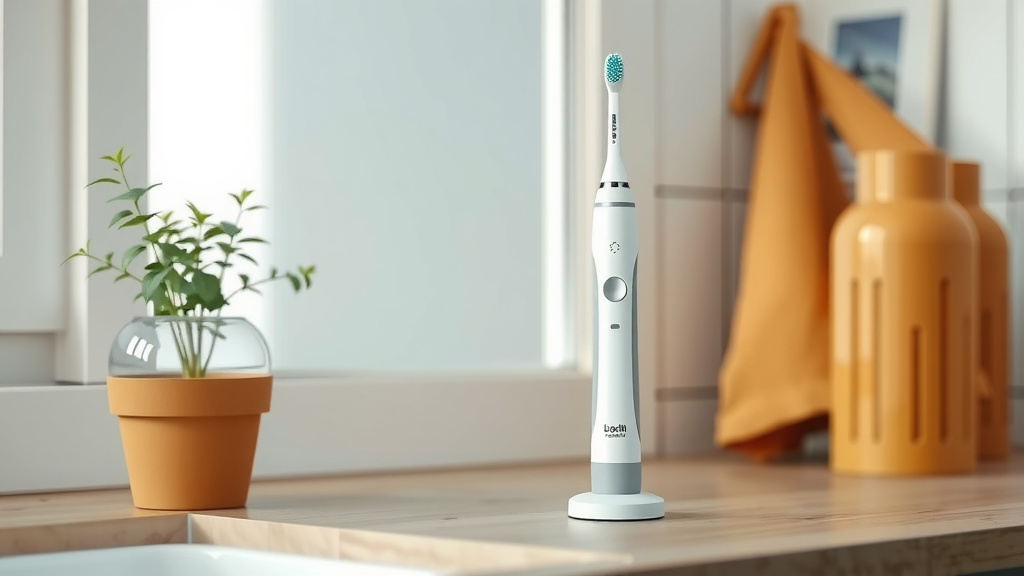
For most cordless electric toothbrushes, leaving them on the charging base between uses is perfectly acceptable. It’s designed to keep the battery topped off without damaging it. Think of it like a smartphone; you can leave it plugged in overnight without worrying about it. This ensures your toothbrush is always ready for action when you need it.
Avoiding Complete Drains (Usually)
While modern batteries are much better than older ones, consistently letting your toothbrush completely die out might not be ideal. Some research suggests that not letting lithium-ion batteries (common in many electronics) drain to zero can help preserve their overall lifespan (National Institute of Standards and Technology). However, for the infrequent occasion this happens, don’t stress too much.
Travel and Charging
If you travel frequently, consider your toothbrush’s charging method. Some come with universal voltage chargers, which are fantastic. Others might have specific charging cords or bases that are harder to replace. For very long trips where charging might be difficult, some users opt for battery-powered models or those with extremely long battery lives.
What If My Toothbrush Isn’t Charging?
Occasionally, you might run into charging issues. Don’t panic! Often, it’s a simple fix.
Checking the Connections
Ensure the charging base is plugged in securely and that the toothbrush is seated properly on the base. Sometimes, just a slight adjustment can make all the difference. Also, check the power outlet itself to make sure it’s working.
Cleaning the Charging Contacts
Toothpaste residue and moisture can build up on the charging contacts of both the toothbrush handle and the base. This buildup can interfere with charging. We found that a gentle cleaning with a damp cloth or a cotton swab dipped in rubbing alcohol can often resolve this. Make sure to let everything dry completely before attempting to charge again.
Consulting Your Manual
If you’ve tried these basic steps and your toothbrush still isn’t charging, it’s time to consult your user manual. It will often have a troubleshooting section specific to your model. If problems persist, contacting the manufacturer’s customer support is your next best step. They can guide you through more advanced troubleshooting or advise on warranty service.
A Quick Checklist for Optimal Charging:
- Charge fully when new.
- Observe indicator lights.
- Keep it on the base between uses.
- Clean charging contacts regularly.
- Check manual for specific times.
- Troubleshoot connection issues first.
Conclusion
You now know that charging your electric toothbrush is simpler than you might think. Most models charge fully between 12 and 24 hours, and leaving them on the base between uses is usually perfectly safe. Modern toothbrushes are designed to prevent overcharging, so you can focus on brushing without worry. Remember to check your specific model’s manual for exact details. By following these simple tips, you’ll ensure your electric toothbrush is always ready to give you a sparkling clean smile. So, go ahead and keep it charged and ready for action!
Frequently Asked Questions
How do I know when my electric toothbrush is fully charged?
Look at the indicator light on your toothbrush or its charging base. A solid light, or a light that changes color (often from red to green), typically signals a full charge. Your user manual will detail what specific lights mean for your model.
Can I leave my electric toothbrush on the charger all the time?
Yes, for most modern cordless electric toothbrushes, it’s perfectly fine to leave them on the charging base between uses. They are designed to prevent overcharging and will simply maintain a full battery without damage.
Does the initial charge take longer than subsequent charges?
Often, the first full charge for a new electric toothbrush is recommended to be longer, sometimes up to 24 hours, to properly condition the battery. After that, charging times may be shorter, and you can usually rely on the indicator lights.
What should I do if my electric toothbrush isn’t charging?
First, ensure the charging base is plugged in and the toothbrush handle is seated correctly. Clean the charging contacts on both the handle and base with a damp cloth, as residue can interfere with charging. If issues persist, consult your manual or contact the manufacturer.
Do electric toothbrushes with USB charging need longer to charge?
Not necessarily. While some USB chargers might follow similar timeframes, others are designed for faster charging. For example, some Foreo models charge fully in just 60 minutes via USB. Always check your product’s specifications for accurate charging times.