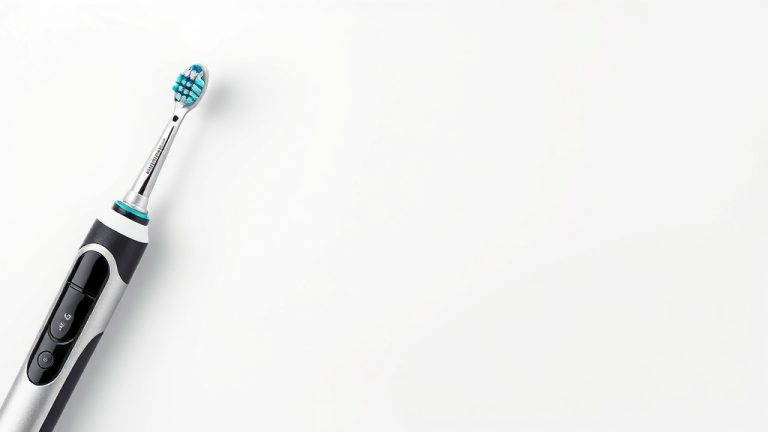
How Often to Replace Electric Toothbrush Handle
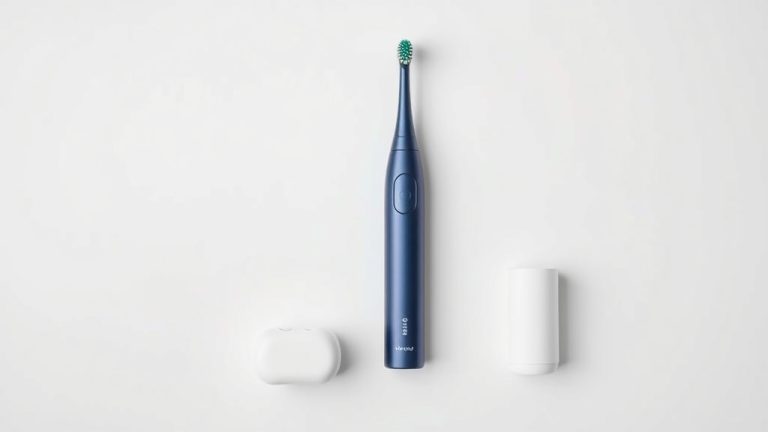
You typically don’t need to replace the electric toothbrush handle itself very often. Most manufacturers suggest replacing your toothbrush handle every 3 to 5 years. The main part that needs regular replacement is the brush head. This ensures your brushing remains effective and hygienic.
Think of your electric toothbrush handle as the trusty engine of your dental care. It’s built to last, but its companion, the brush head, is like the tires – it wears down with use. Replacing the brush head regularly is key for optimal cleaning. Many people wonder about the handle, but its lifespan is much longer than the brush heads you attach.
- Handle Lifespan: Generally 3-5 years.
- Brush Head Replacement: Every 3-4 months.
- Hygiene is Key: Worn heads don’t clean well.
- Check Manufacturer Guidelines: Always a good idea.
Let’s break down exactly when and why you should be thinking about replacing your electric toothbrush handle, and what to look out for along the way.
“`htmlWhen to Consider Replacing Your Electric Toothbrush Handle
You might be wondering how often your electric toothbrush handle actually needs replacing. While your brush heads get all the attention, the handle is the workhorse. Most manufacturers design these handles to last for a good while. You can typically expect your electric toothbrush handle to serve you well for about three to five years. This timeframe ensures you get consistent performance and value from your dental hygiene tool.
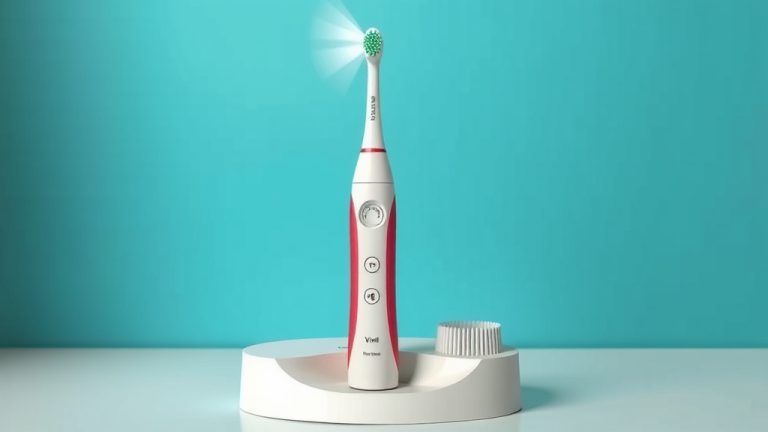
Think of the handle as the sturdy foundation of your oral care routine. It houses the motor and battery, driving the brush head’s action. When you invest in an electric toothbrush, you’re investing in a device built for longevity, unlike the disposable brush heads. So, unless something goes wrong, you won’t be swapping out the main unit very often. It’s designed to be a durable companion for your dental health journey.
Signs Your Electric Toothbrush Handle Might Be Worn Out
While the 3-5 year mark is a general guideline, sometimes your handle might show signs of wear and tear sooner. These are the subtle (and not-so-subtle) cues that suggest it might be time for a new one. Paying attention to these can save you from ineffective brushing or unexpected battery failures.
Performance Issues You Might Notice
The most common indicator is a decline in power. Does your toothbrush feel less vigorous? Does it struggle to maintain its usual speed, especially when you apply a little pressure? This could mean the motor is aging or the battery isn’t holding a charge like it used to.
Another performance issue is inconsistent vibration. If the handle buzzes erratically or stops vibrating mid-brush, that’s a clear sign of trouble. This isn’t just annoying; it means your teeth aren’t getting the thorough cleaning they need. Your brush head might be fine, but the power source is faltering.
Battery Life Dramatically Decreases
Electric toothbrushes rely on rechargeable batteries. Over time, all rechargeable batteries degrade. If you find yourself charging your toothbrush much more frequently than you used to, even after full charge cycles, the battery is likely nearing the end of its life. Some models might allow for battery replacement, but this is rare for most consumer-grade toothbrushes.
A battery that dies very quickly can be frustrating. Imagine starting your morning routine and your toothbrush sputtering out halfway through! When the battery performance significantly drops, it often signals that replacing the entire handle is the most practical solution. It’s a sign the internal components are simply worn out from constant use.
Physical Damage or Wear and Tear
Has your toothbrush handle suffered a drop? Even a small fall can cause internal damage that isn’t immediately apparent. Look for cracks in the plastic casing or loose parts. These aren’t just cosmetic issues; they can compromise the toothbrush’s water resistance and internal electronics.
You might also notice the grip becoming worn or sticky. Some handles have rubberized grips that can degrade over time, especially with exposure to toothpaste and water. While a sticky grip might seem minor, it can become unpleasant and unhygienic. It’s a sign the materials are breaking down.
Unusual Noises or Smells
Does your toothbrush suddenly sound louder or make strange grinding noises? This could indicate that the motor is struggling or that internal parts are wearing down. A healthy electric toothbrush should operate with a consistent hum. Any deviation from that norm warrants attention.
While less common, if you ever detect an unusual burning smell coming from the handle, stop using it immediately and consider replacing it. This could signal an electrical issue that poses a safety risk. It’s better to be safe and replace the unit if you notice anything out of the ordinary.
Comparing Brush Head vs. Handle Lifespan
It’s easy to get confused because you replace brush heads so often. Let’s clarify the difference in lifespan. Your brush head is the part that makes direct contact with your teeth and gums. Its bristles fray and wear down with each use, becoming less effective over time.
| Component | Typical Replacement Frequency | Reason for Replacement |
|---|---|---|
| Electric Toothbrush Handle | 3-5 years | Battery degradation, motor wear, casing damage, outdated technology |
| Electric Toothbrush Brush Head | 3-4 months | Bristle wear, hygiene concerns, reduced cleaning efficacy |
As you can see, the brush head needs regular attention. Think of it like changing the oil in your car. You do it frequently to keep the engine running smoothly. The handle, however, is more like the car’s engine itself. You don’t replace the engine every few months!
Manufacturer Guidelines and Recommendations
The best place to find specific information for your toothbrush is always the manufacturer’s instructions. Many brands provide detailed user manuals that outline the expected lifespan of their products and specific care instructions. These guidelines are based on their product testing and engineering.
For example, Philips Sonicare typically suggests replacing brush heads every three months. They often don’t provide a specific lifespan for the handle itself but imply it should last several years. Oral-B has similar recommendations for their brush heads. Checking your product’s manual or the manufacturer’s website can give you the most accurate advice for your specific model.
Factors That Can Affect Handle Lifespan
While the 3-5 year range is standard, several things can influence how long your handle actually lasts. Your brushing habits play a role. How aggressively do you brush? Do you tend to drop your toothbrush frequently?
The environment where you store your toothbrush also matters. Is it kept in a humid bathroom where moisture can potentially seep into the charging port or casing over time? Regular cleaning and proper drying can help prolong its life. Some users might experience issues sooner than others due to these variables.
When to Prioritize Replacement for Better Oral Health
Ultimately, your oral health is the top priority. If your toothbrush handle isn’t performing optimally, it can compromise your cleaning. Worn-out batteries mean less power, and less power means less effective plaque removal. This can lead to issues like cavities and gum disease.
Don’t let an aging toothbrush handle jeopardize your smile. If you notice any of the performance issues mentioned, it’s a good indicator that it’s time for an upgrade. Investing in a new handle ensures you’re getting the most effective clean possible every time you brush. It’s a simple step that contributes greatly to long-term dental well-being.
Making the Decision: A Quick Checklist
Deciding whether to replace your electric toothbrush handle can feel like a big decision. Use this quick checklist to help you assess your current situation:
- Is the battery life significantly shorter than when it was new?
- Does the toothbrush lack its usual power or vibration?
- Are there any visible cracks or damage to the handle casing?
- Is the grip worn out, sticky, or otherwise unpleasant to hold?
- Have you noticed any unusual noises or smells during operation?
- Has it been more than 3-5 years since you last replaced the handle?
If you’ve checked off even one or two of these points, especially the performance-related ones, it’s probably time to start looking for a new electric toothbrush handle.
“`Conclusion
You’ve learned that your electric toothbrush handle is built for durability, typically lasting 3-5 years. While brush heads need frequent replacements for hygiene and effectiveness, the handle is the robust core of your device. Keep an eye out for signs like diminished power, battery issues, or physical damage. By understanding the difference in lifespans and recognizing these warning signs, you ensure your brushing routine remains optimal. Your next step? If your current handle shows any signs of wear, it’s time to research new models for a consistently effective clean and a healthier smile.
Frequently Asked Questions
Can I replace the battery in my electric toothbrush handle?
For most consumer electric toothbrushes, replacing the internal battery is not a standard or easily performed repair. Manufacturers typically design these units as sealed devices. If your battery life has drastically decreased, it usually signals the end of the handle’s usable life, and a replacement is recommended.
What if my electric toothbrush handle gets wet, even if it’s supposed to be waterproof?
While many electric toothbrush handles are water-resistant, prolonged submersion or exposure to water through cracks can still cause damage. If you notice any unusual behavior after exposure to water, or if there’s visible damage, it’s best to stop using it and consider a replacement to avoid potential electrical issues.
Are there any maintenance tips to make my electric toothbrush handle last longer?
Yes, proper care can extend your handle’s life. After each use, rinse the brush head and handle thoroughly under running water to remove toothpaste residue. Ensure the handle is dried properly before storing it, especially around the charging port. Avoid dropping it, as physical shock can damage internal components.
Is it worth repairing a broken electric toothbrush handle?
Generally, repairing an electric toothbrush handle is not cost-effective or practical. The cost of professional repair, if even available, often approaches the price of a new unit. Since replacement parts are rarely accessible to consumers, replacing the entire handle is usually the most sensible option when performance declines or damage occurs.
Can an old electric toothbrush handle affect my oral hygiene?
Yes, an aging electric toothbrush handle can indirectly impact your oral hygiene. If the battery is weak or the motor is losing power, the brush head won’t vibrate or oscillate effectively. This reduced cleaning power means less plaque removal, which can lead to dental issues over time.