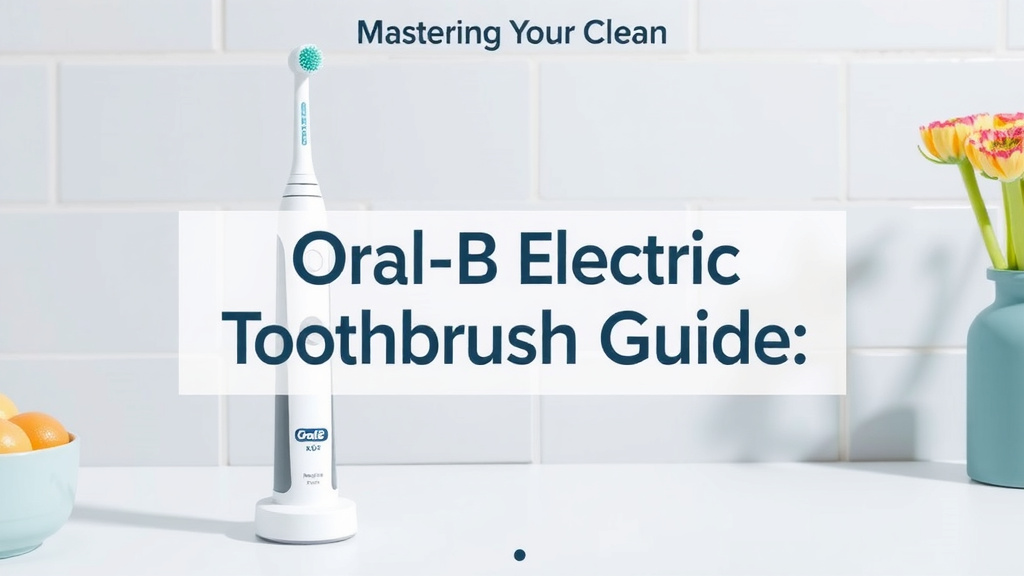
Oral-B Electric Toothbrush Guide: Mastering Your Clean
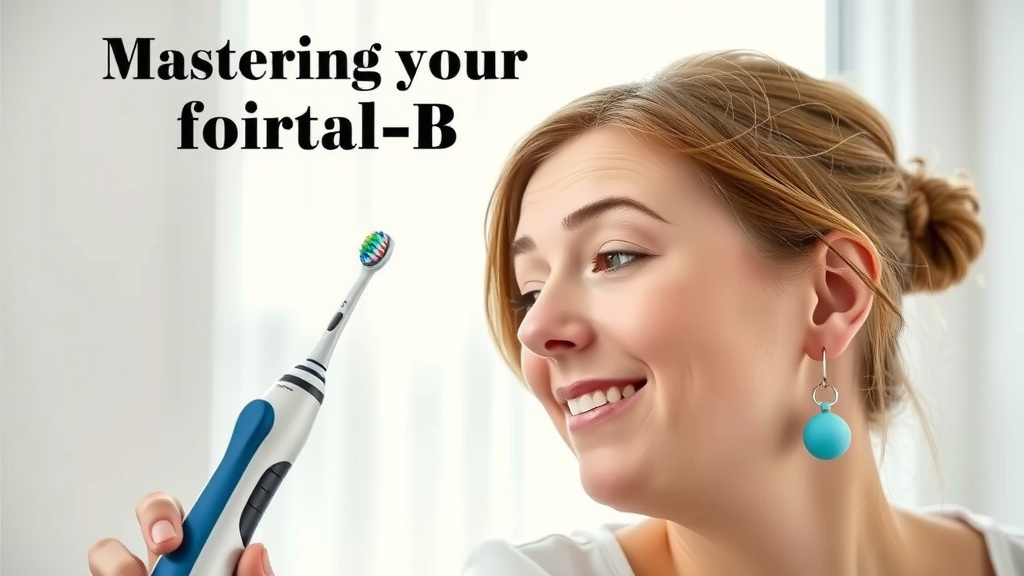
The easiest way to use your Oral-B electric toothbrush is to gently guide the brush head over all surfaces of your teeth, letting its vibrations do the work. You only need a pea-sized amount of toothpaste. Remember to brush each tooth for a few seconds, angling the brush towards your gum line.
Using an electric toothbrush effectively means understanding its unique cleaning action. Unlike manual brushing, you don’t need to scrub. Oral-B toothbrushes are designed to be powerful yet gentle, helping you achieve a thorough clean and improve gum health.
- Apply a small amount of toothpaste.
- Guide the brush; don’t scrub.
- Brush each tooth surface for a few seconds.
- Angle the brush head toward your gum line.
- Brush for two minutes, covering all areas.
Ready to get the most out of your Oral-B? Let’s walk through exactly how to use it step by step.
“`htmlMastering Your Oral-B Electric Toothbrush Technique
So, you’ve got your shiny new Oral-B electric toothbrush. That’s fantastic! You’re already on your way to a cleaner smile and healthier gums. But how do you actually use this high-tech gadget to its full potential? It’s simpler than you might think. The secret is to let the brush do most of the work and to focus on technique.
Think of your Oral-B like a tiny, super-efficient cleaning crew for your teeth. You just need to guide them to the right spots. We’re going to break down the best way to get that dentist-clean feeling every single day. Get ready to brush smarter, not harder!
Getting Started: What You Need
Before you even turn on the toothbrush, let’s make sure you have everything ready. It’s about setting yourself up for success, just like preparing for a great meal.
Choosing the Right Toothpaste
You don’t need a special toothpaste for your Oral-B. Your regular fluoride toothpaste works perfectly. The key is the amount. A pea-sized dab is all you need. Too much toothpaste can create excessive foam. This foam can make it harder to see where you’re brushing. It also makes it tempting to rush the process.
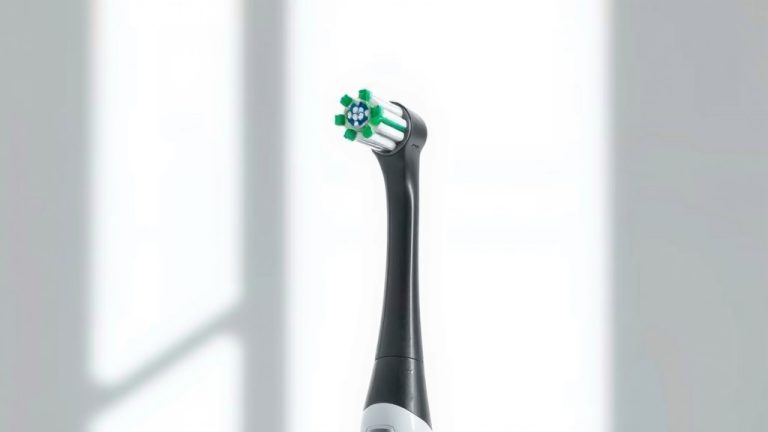
Attaching the Brush Head
Most Oral-B brush heads simply click or snap onto the handle. You’ll usually hear a little click when it’s securely in place. Some models might have a specific way to align the head, so check your user manual if you’re unsure. It’s important that the brush head is attached firmly.
The Brushing Process: Step-by-Step
Now for the main event! This is where you’ll see and feel the difference an electric toothbrush can make. We’ll go through each step to ensure you’re cleaning effectively.
Step 1: Apply Toothpaste
As mentioned, use a pea-sized amount of toothpaste. Apply it directly to the bristles. You can do this with the brush head dry or slightly wet. Some people prefer wetting the bristles first, others don’t. Neither is wrong; it’s a personal preference.
Step 2: Position the Brush Head
This is a crucial step that many people overlook. Instead of scrubbing back and forth like with a manual toothbrush, you’ll gently guide the brush head. Place the bristles against each tooth. Angle them slightly towards your gum line. Aim for about a 45-degree angle. This allows the bristles to clean both the tooth surface and along the gum line where plaque often hides.
Step 3: Let the Brush Work
Once the brush is in position, turn it on. Don’t press hard! Let the oscillations and pulsations of the brush head do the scrubbing for you. Gentle pressure is all that’s needed. Pressing too hard can damage your gums and wear down the bristles faster. Many Oral-B models have a pressure sensor that alerts you if you’re pressing too hard, which is a great feature.
Step 4: Brush Each Tooth Surface
Spend a few seconds on each tooth. Move the brush head slowly from tooth to tooth. Make sure you cover all surfaces: the outer surface, the inner surface, and the chewing surface. Think of it as visiting each tooth individually and giving it a thorough, gentle clean.
Covering All Areas
Oral-B toothbrushes are designed to help you achieve a complete clean. Focus on spending adequate time on each quadrant of your mouth: upper right, upper left, lower right, and lower left. This ensures you don’t miss any spots. Many brushes have a built-in timer that signals every 30 seconds to move to a new quadrant. This helps you brush for the dentist-recommended two minutes.
Step 5: Brush Your Tongue
Don’t forget your tongue! After brushing your teeth, gently brush your tongue. This helps remove bacteria that can cause bad breath. Some Oral-B brush heads have a tongue-cleaning feature, or you can simply use the regular bristles.
Tips for Optimal Brushing
Beyond the basic steps, a few extra tips can enhance your brushing experience and results.
Understand Your Timer
Most Oral-B electric toothbrushes come with a two-minute timer. Some have a quadrant timer that buzzes every 30 seconds. This is your cue to switch to a different section of your mouth. Aim to complete the full two minutes for a thorough clean. It might seem like a long time at first, but it makes a big difference. Brushing for less than two minutes means you might be missing plaque, as recommended by the American Dental Association.
The Pressure Sensor is Your Friend
If your Oral-B has a pressure sensor, pay attention to it. If you’re pressing too hard, the toothbrush will likely light up or change its vibration. This feature is incredibly useful for preventing gum damage. Gum recession is a real concern, and gentle brushing is key to avoiding it (Cleveland Clinic).
Rinse and Store Properly
After brushing, rinse your mouth thoroughly. Then, rinse the brush head under running water to remove any toothpaste residue. Shake off excess water and store your toothbrush upright. This allows it to air dry properly, which helps prevent bacterial growth.
Brush Head Replacement: When and Why
Brush heads don’t last forever. They wear out over time. Most manufacturers recommend replacing your brush head every three months. You might notice the bristles fraying or splaying out. Some Oral-B brush heads even have indicator bristles that fade over time, signaling it’s time for a change.
Why is this important? Worn-out bristles are less effective at cleaning your teeth and gums. They can’t reach into crevices or effectively sweep away plaque. Think of it like using a dull knife; it just doesn’t cut as well. A fresh brush head ensures you get the best possible clean.
Common Questions About Using Your Oral-B
Here are a few things people often wonder about when they first start using an electric toothbrush.
- Do I need to brush longer with an electric toothbrush? No, the two-minute timer is usually sufficient because the brush does more of the work.
- Can I use it with braces? Yes, but be extra gentle and ensure you get a brush head designed for braces if possible.
- How often should I replace the brush head? Every three months is standard, or sooner if the bristles are visibly worn.
By following these simple steps and tips, you’ll be a pro at using your Oral-B electric toothbrush in no time. You’re investing in your oral health, and a little technique goes a long way!
“`Conclusion
You’ve learned how to harness the power of your Oral-B electric toothbrush. Remember to use just a pea-sized amount of toothpaste and gently guide the brush head. Let its oscillations clean each tooth surface at a 45-degree angle toward your gums. Don’t forget to spend two minutes in total, covering all areas and even brushing your tongue. You’re now well-equipped to achieve a superior clean and improve your gum health. Make a commitment today to practice this technique for a brighter, healthier smile.
Frequently Asked Questions
Can I use my Oral-B electric toothbrush with sensitive teeth?
Yes, you can use your Oral-B with sensitive teeth. Opt for a sensitive-specific brush head and use the pressure sensor to ensure you’re not brushing too hard. Gentle guidance is key to avoiding discomfort.
How do I know if I’m using the right amount of pressure?
Many Oral-B models have a built-in pressure sensor. If you press too hard, the toothbrush will usually light up or change its vibration pattern. This is your signal to ease up.
What’s the best way to clean the brush head after use?
After brushing, rinse the brush head thoroughly under running water. Shake off excess water and store the toothbrush upright in a dry place to allow it to air dry properly.
Can I use my Oral-B toothbrush to clean my tongue?
Absolutely. You can gently brush your tongue with the regular bristles to help remove bacteria and freshen your breath. Some Oral-B brush heads also have a dedicated tongue-cleaning surface.
How often should I charge my Oral-B electric toothbrush?
Most Oral-B electric toothbrushes hold a charge for several days, often up to two weeks, depending on the model and usage. Check your user manual for specific details, but generally, you’ll know it’s time to charge when the battery indicator shows low power.