What’s Inside an Electric Toothbrush Explained
An electric toothbrush is a powered dental cleaning tool. It uses a motor to move its brush head automatically. This movement helps remove plaque and food particles more effectively than manual brushing. Think of it as a small, helpful robot for your teeth!
Inside, you’ll find a rechargeable battery, a small electric motor, and a drive shaft. These components work together to create the brushing action. Many models also include timer functions and pressure sensors for a better clean. It’s a clever bit of engineering designed for your smile.
- Electric toothbrushes use a motor and battery.
- They have a moving brush head for cleaning.
- Key parts include a motor, battery, and drive shaft.
- Many have extra features like timers and sensors.
Ready to see what makes these toothbrushes tick? Let’s dive into the inner workings of your electric toothbrush.
Inside Your Electric Toothbrush: A Peek Under the Hood
Ever wondered what makes your electric toothbrush do its thing? It’s more than just a vibrating stick. Inside this dental gadget is a smart arrangement of parts. These work together to give your teeth a thorough clean. Let’s take a look at the components that power up your brushing routine.
The Power Source: Your Rechargeable Battery
The heart of any electric toothbrush is its power source. Most modern electric toothbrushes rely on a rechargeable battery. This is usually a lithium-ion or nickel-metal hydride cell. These batteries are designed to last for many brushing sessions on a single charge. You’ll typically recharge it by placing the toothbrush on a charging base. Some travel models might even use AA or AAA batteries, though this is less common.
The battery stores the energy needed to run the motor. Think of it like the fuel tank for your toothbrush. It provides the electricity that makes all the magic happen. When the battery runs low, you simply pop it onto its charging cradle. This replenishes its power, ready for your next brushing session.
The Engine Room: The Electric Motor
At the core of your electric toothbrush is a tiny, yet powerful, electric motor. This motor is responsible for generating the movement of the brush head. It converts electrical energy from the battery into mechanical motion. This motion is what drives the brushing action. It could be an oscillating-rotating head or a sonic vibration.
The type of motor and its design influence the brushing style. Some motors create a rapid back-and-forth motion. Others generate high-frequency vibrations. This is what agitates plaque and debris from your teeth and gumline. It’s a miniature marvel of engineering, powering those thousands of brush strokes per minute.
Connecting the Dots: The Drive Shaft and Mechanism
How does the motor’s spin get translated into brush head movement? That’s where the drive shaft and mechanism come in. The drive shaft is a rod that connects the motor to the brush head. It transmits the rotational or vibrational energy from the motor outward.
The specific mechanism can vary. In oscillating-rotating models, a gearbox might be involved. This helps convert the motor’s rotation into a sweeping motion. For sonic toothbrushes, the mechanism might involve a type of lever or spring system. This amplifies the motor’s vibrations and transfers them to the bristles. This assembly ensures the brush head moves precisely as intended.
Oscillating-Rotating Movements
If your toothbrush has a small, round brush head, it likely uses an oscillating-rotating mechanism. The head spins rapidly in one direction and then the other. It might also pulsate gently. This action scrubs away plaque effectively. Many dental professionals find this type of cleaning action very efficient (American Dental Association).
Sonic Vibrations
Sonic toothbrushes have brush heads that typically move side-to-side. They vibrate at very high frequencies, often between 24,000 and 48,000 strokes per minute. These vibrations create dynamic cleaning action. They can even create fluid dynamics. This helps clean beyond where the bristles physically touch. This means a more thorough clean, even in hard-to-reach areas. Research suggests sonic toothbrushes are excellent at plaque removal (National Institutes of Health).
The Brains of the Operation: Electronic Components
Beyond the core mechanical parts, electric toothbrushes are increasingly sophisticated. They contain various electronic components that enhance their functionality. These include circuit boards, sensors, and timers.
Control Circuitry
A small circuit board acts as the toothbrush’s brain. It manages power flow from the battery to the motor. It also controls the different brushing modes. If your toothbrush has settings like “clean,” “sensitive,” or “whitening,” the circuit board manages these transitions. It interprets button presses and activates the correct motor functions.
Smart Features: Timers and Sensors
Many electric toothbrushes come equipped with helpful features. A common one is a built-in timer. This ensures you brush for the dentist-recommended two minutes. Some timers even signal you every 30 seconds. This prompts you to move to a different quadrant of your mouth. This consistent timing helps ensure all areas get adequate attention.
More advanced models include pressure sensors. Have you ever pressed too hard when brushing? We all have! Pressing too firmly can damage your gums and enamel. A pressure sensor detects when you’re applying too much force. It will then alert you, often with a light or a change in vibration. This protects your oral health. Guidelines from dental associations consistently recommend using gentle pressure (Cleveland Clinic).
The Exterior: Handle and Brush Head
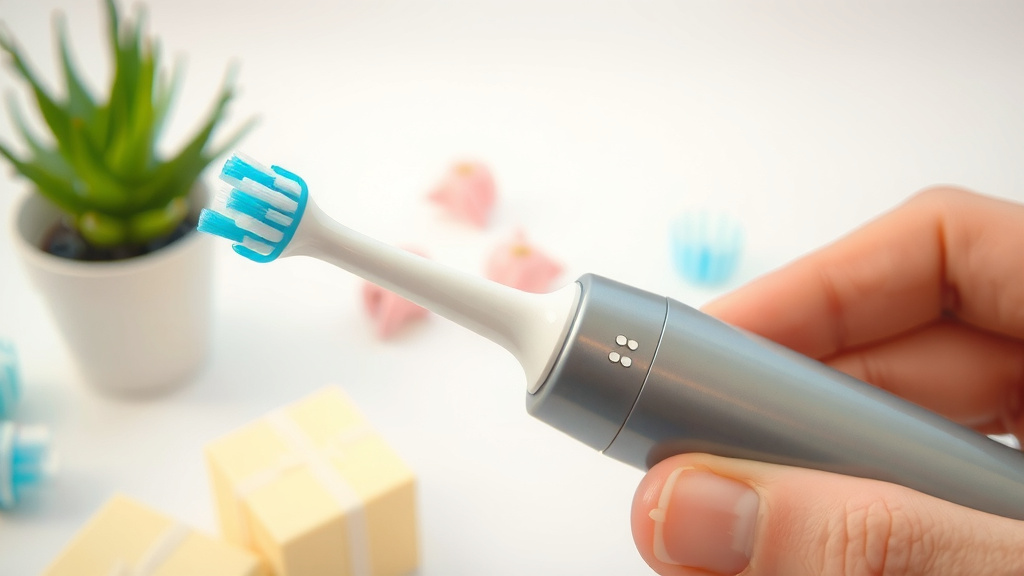
While not “inside” in the mechanical sense, the handle and brush head are critical components. The ergonomic handle houses all the internal workings. It’s designed for a comfortable and secure grip. Materials are typically durable plastics, often with rubberized grips for better control. The brush head itself is the part that makes contact with your teeth. It’s usually made of nylon bristles. These are mounted on a plastic head that attaches to the drive shaft.
Brush heads are replaceable. This is an important maintenance aspect. Over time, bristles fray and lose their effectiveness. Dentists recommend replacing your brush head every three to four months. Or sooner if the bristles appear worn (CDC).
Attachment Mechanism
The brush head typically attaches to the toothbrush handle with a simple click or snap mechanism. This allows for easy removal and replacement. This design makes maintenance straightforward. You don’t need tools to swap out a worn-out brush head for a fresh one.
A Quick Checklist of What’s Inside
Here’s a quick rundown of the essential parts you’ll find inside your electric toothbrush:
- Rechargeable battery
- Electric motor
- Drive shaft
- Gearbox or vibration mechanism
- Circuit board
- Timers and pressure sensors (in many models)
Understanding these components helps you appreciate the technology behind your smile. It’s a small device packed with engineering designed to keep your teeth healthy and clean!
Conclusion
You’ve now taken a peek inside your electric toothbrush. You know it’s powered by a rechargeable battery and a small motor. This motor drives a mechanism, like oscillating-rotating heads or sonic vibrations, to clean your teeth. Clever circuit boards and features like timers and pressure sensors make your brushing smarter and safer. This compact device is packed with engineering designed for your oral health. For the best results, remember to replace your brush head every 3-4 months. Make sure you’re charging it regularly, so it’s always ready for your next brush!
Frequently Asked Questions
Do all electric toothbrushes have the same motor type inside?
No, not all electric toothbrushes have the same motor type. Some use motors for oscillating-rotating heads, which spin back and forth. Others use motors to create high-frequency sonic vibrations for side-to-side brush head movement. The motor type directly influences how the brush head cleans your teeth.
How long does the rechargeable battery typically last on a single charge?
Most modern electric toothbrushes with rechargeable batteries can last for about two weeks on a single charge. This can vary depending on the brand, model, and how often you use it. Some travel models might offer longer battery life. You’ll usually recharge it on a base, which might take a few hours to fully power up.
Can I replace the battery in my electric toothbrush if it stops holding a charge?
Generally, replacing the battery in an electric toothbrush is not something most users can do easily. They are often sealed units for water resistance. If the battery life significantly degrades, you might need to consider replacing the entire toothbrush. Some repair services may offer battery replacements, but this is less common for consumer-grade models.
What happens if the pressure sensor on my toothbrush stops working?
If the pressure sensor on your electric toothbrush stops working, it means you won’t get alerts when you brush too hard. This could potentially lead to gum damage or enamel wear over time. It’s a good idea to get it checked or consider a new toothbrush if this feature is important to you. Some models have more reliable sensors than others.
Is it possible for water to get inside my electric toothbrush and damage the components?
Electric toothbrushes are designed to be water-resistant. The internal components like the motor, battery, and circuit board are sealed to prevent water damage. However, it’s best to avoid submerging the toothbrush in water. Rinsing the brush head and handle under running water is generally safe, but keep the charging base dry.