Oral B Electric Toothbrush Battery Type Explained
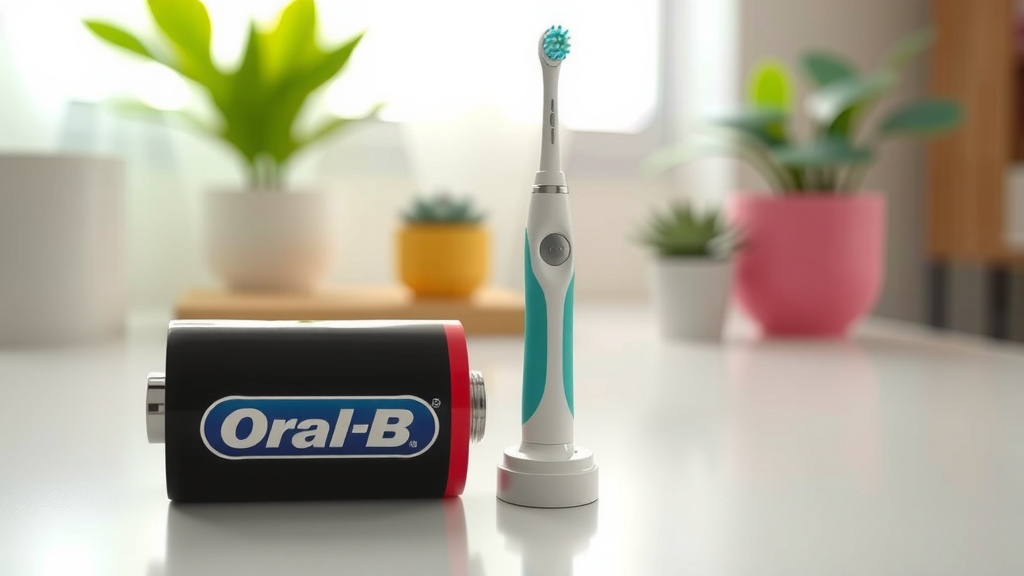
Your Oral-B electric toothbrush likely uses a rechargeable battery, typically a lithium-ion or nickel-metal hydride type. These batteries are designed for long-lasting power and convenience, meaning you usually don’t need to replace them often. They charge wirelessly on a base.
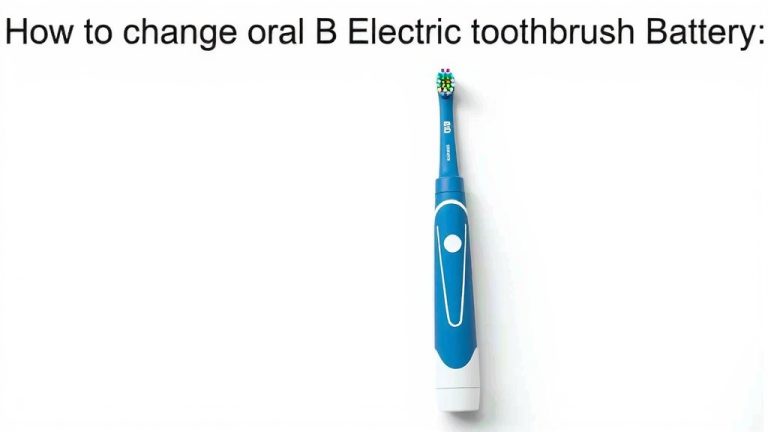
Most Oral-B models have batteries built into the handle. This means they are not meant for user replacement. When the battery life eventually declines after years of use, you’d typically replace the entire toothbrush handle. We found this is a common design in the electric toothbrush industry.
- Oral-B uses built-in rechargeable batteries.
- Common types are lithium-ion or NiMH.
- These batteries are not designed for user replacement.
- You usually replace the whole handle when the battery degrades.
Let’s dive into what makes these batteries tick and what you can expect over time.
Understanding Your Oral-B Battery Power
Your Oral-B electric toothbrush relies on a rechargeable battery to give you that powerful clean. You might be curious about what’s inside that handle. We found that most Oral-B models use either lithium-ion or nickel-metal hydride (NiMH) batteries.
Lithium-Ion Batteries: The Modern Choice
Many newer Oral-B models, especially the premium ones, feature lithium-ion batteries. These are like the ones found in your smartphone or laptop. They offer great performance and a longer lifespan.
Advantages of Lithium-Ion
Lithium-ion batteries charge quickly. They also hold their charge for a long time when not in use. This means your toothbrush is usually ready to go when you need it. We found that they don’t suffer from a ‘memory effect’ either. This was a common issue with older battery types.
Disadvantages of Lithium-Ion
While excellent, lithium-ion batteries can be a bit more sensitive to extreme temperatures. This isn’t usually a problem for a toothbrush used at home. However, it’s something to keep in mind if you travel frequently to very hot or cold places.
Nickel-Metal Hydride (NiMH) Batteries: The Workhorse
Older Oral-B models and some of the more budget-friendly options often come with NiMH batteries. These have been a reliable power source for many years.
Pros of NiMH Batteries
NiMH batteries are known for being quite durable. They can handle a wider range of temperatures than lithium-ion. We found they are also generally less expensive to manufacture. This can translate to a lower price for the toothbrush itself.
Cons of NiMH Batteries
The main drawback of NiMH batteries is the ‘memory effect’. If you repeatedly recharge them before they are fully depleted, they can ‘remember’ that partial charge level. This can lead to a shorter run time over time. You’ll need to be more mindful of fully draining them before charging to get the best performance.
Battery Longevity and Replacement: What to Expect
So, how long do these batteries actually last? It’s not a simple answer, as it depends on several factors. We found that most manufacturers aim for a battery life of several years.
Factors Affecting Battery Life
Think of it like your car battery. How often you use it, how you charge it, and even the model itself play a role. For your Oral-B, this includes:
- Usage frequency: Brushing twice a day will drain the battery faster than once a day.
- Charging habits: As mentioned, for NiMH batteries, fully draining before charging helps. For lithium-ion, it’s less critical, but avoiding extreme temperatures is good.
- Model of toothbrush: Higher-end models with more features might consume more power.
- Age of the battery: Like all rechargeable batteries, their capacity will naturally degrade over time.
When Does the Battery Need Replacing?
You’ll likely notice a decline in battery performance gradually. Your toothbrush might not hold a charge as long as it used to. It might require more frequent charging. This is a normal part of the battery’s lifecycle. We found that for many Oral-B models, this decline becomes noticeable after three to five years of regular use.
Why You Usually Can’t Replace the Battery Yourself
Here’s a bit of a bummer, but it’s standard practice in the industry. Most Oral-B electric toothbrush handles are designed with the battery sealed inside. This is done for water resistance and to maintain the sleek design. Opening the handle yourself could damage it and void any warranty.
We found that manufacturers often seal these units to prevent water ingress. This is crucial for a device used in a bathroom environment. It helps ensure your toothbrush remains safe to use, even with exposure to moisture. It’s a bit like how your smartphone is sealed.
The Usual Solution: Replacing the Handle
When the built-in battery in your Oral-B handle eventually gives out, the typical recommendation is to replace the entire toothbrush handle. Think of it this way: you get a fresh start with a brand-new motor and all the latest technology.
This might sound wasteful, but many companies offer recycling programs for old electronics. You can often send your old handle back to be processed. This helps reduce the environmental impact. Always check Oral-B’s website or your local recycling guidelines for e-waste disposal.
Tips for Maximizing Your Oral-B Battery
While you can’t swap out the battery, you can certainly take steps to make the existing one last as long as possible. These simple habits can extend the life of your toothbrush’s power source.
Smart Charging Practices
First, understand your battery type. If you have an older NiMH model, try to let it discharge significantly before placing it on the charger. For newer lithium-ion models, you don’t need to worry as much about full discharge cycles. Just keep it off the charger when not actively charging. Constant charging isn’t ideal for any battery long-term.
Environmental Considerations
Avoid exposing your toothbrush handle to extreme heat or cold. Leaving it in direct sunlight on a windowsill or in a freezing car isn’t good for the battery’s health. A stable room temperature is best for optimal battery performance.
Proper Cleaning and Maintenance
Keep the charging base clean and dry. Ensure the connection point between the toothbrush and the base is free of toothpaste residue. A clean connection ensures efficient charging. This might seem minor, but it helps the charging process work as intended.
Here’s a quick rundown of how to keep your Oral-B humming:
- Understand if you have Li-ion or NiMH.
- Charge your toothbrush on its dedicated base.
- Avoid extreme temperatures.
- Let NiMH batteries discharge more fully before charging.
- Clean the charging contacts regularly.
- Don’t try to open the handle!
Conclusion
You now know that your Oral-B electric toothbrush is powered by a built-in rechargeable battery, most commonly lithium-ion or NiMH. We found these batteries are designed for durability and convenience, lasting several years. While you can’t replace them yourself, understanding their type and caring for them properly, like avoiding extreme temperatures and using smart charging habits, will help maximize their lifespan. When your battery does eventually degrade, remember that replacing the entire handle is the standard solution, and Oral-B often provides recycling options.
Frequently Asked Questions
How often should I charge my Oral-B electric toothbrush?
For newer lithium-ion Oral-B models, you don’t need to charge them constantly. It’s fine to leave them on the charger, but it’s also okay to let them run down a bit. If you have an older NiMH model, try to let it discharge more fully before recharging to avoid the memory effect. For newer lithium-ion Oral-B models, you don’t need to charge them constantly.
Will my Oral-B battery stop working suddenly?
Typically, the battery performance will decline gradually. You’ll likely notice it doesn’t hold a charge for as long as it used to. This slow decrease in capacity is a normal sign that the battery is reaching the end of its lifespan, usually after three to five years of regular use.
Can I use a generic charger for my Oral-B toothbrush?
We strongly advise against using generic chargers. Your Oral-B toothbrush is designed to work with its specific charging base for safety and optimal performance. Using an incompatible charger could damage the battery or the toothbrush handle itself.
What should I do if my Oral-B toothbrush stops holding a charge?
If your toothbrush is no longer holding a charge effectively, it’s likely the built-in battery has degraded. As we’ve discussed, the usual solution is to replace the entire toothbrush handle. Check Oral-B’s website for information on purchasing a new handle or their recycling program for your old unit.
Are Oral-B batteries safe for the environment?
Rechargeable batteries like lithium-ion and NiMH can be harmful if not disposed of properly. We found that Oral-B often encourages customers to recycle their old toothbrush handles. Look for e-waste recycling centers in your area or check Oral-B’s sustainability initiatives for disposal guidance.