How Long Does Electric Toothbrush Take to Charge
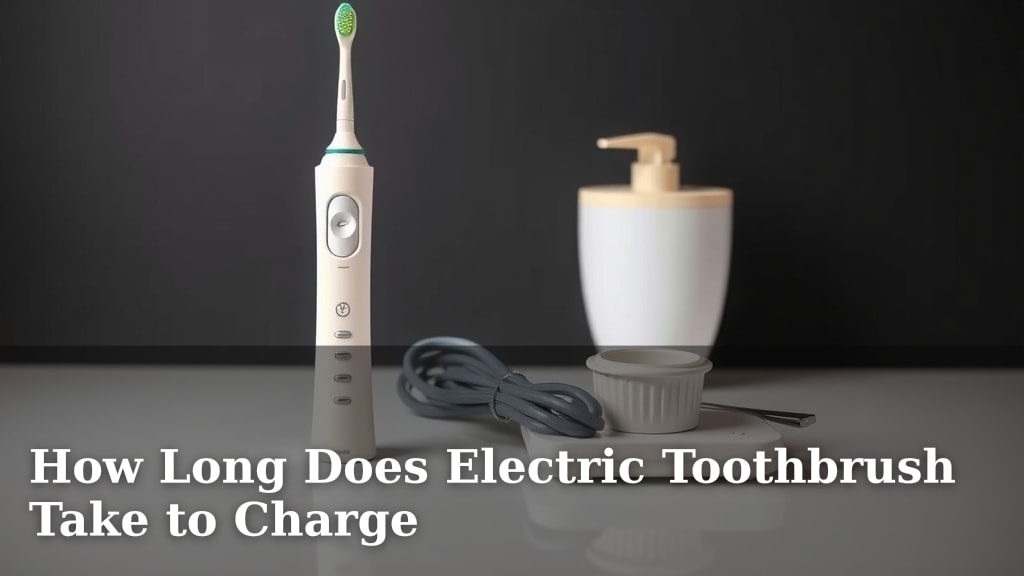
Most electric toothbrushes take between 8 to 24 hours to fully charge. Some high-end models or those with quick-charge features might be ready to go in as little as 4 to 6 hours. Knowing your toothbrush’s charging time helps ensure you’re never caught with a dead battery mid-brush.
Charging times can vary quite a bit based on the brand, model, and even the type of charging base. Newer lithium-ion batteries often charge faster than older nickel-cadmium ones. We found that checking your specific model’s manual is the best way to get the most accurate information.
- Full Charge Time: Typically 8-24 hours.
- Quick Charge Options: Some offer a few days of use after 15-30 minutes.
- Battery Type Matters: Lithium-ion charges faster than older types.
- Always Check Your Manual: For the exact charging requirements.
Let’s break down what affects your electric toothbrush’s charging speed and how to get the best battery life.
Understanding Your Electric Toothbrush’s Charging Time
So, you’re wondering how long it actually takes for that fancy electric toothbrush to get a full juice-up? It’s a fair question, and the answer isn’t always a simple number. Many factors play a role in this, and knowing them can help you keep your brushing routine **smooth and uninterrupted**.
Most electric toothbrushes need a good chunk of time to reach 100%. We found that typically, you’re looking at anywhere from **8 to 24 hours** for a complete charge. This might sound like a long time, but remember, a full charge often lasts for **weeks** of regular brushing!
What Determines How Long Charging Takes?
Several things can affect how quickly your toothbrush battery fills up. It’s like asking how long it takes to bake a cake – the oven temperature, the size of the cake, and the ingredients all make a difference.
The Type of Battery Inside
This is a big one! Older electric toothbrushes often used Nickel-Cadmium (NiCd) batteries. These are known for being a bit slower to charge and can sometimes suffer from a “memory effect.” This means if you don’t fully discharge them before recharging, they might not hold a full charge in the future.
Newer models overwhelmingly use Lithium-ion (Li-ion) batteries. Research shows these are generally **faster to charge** and don’t have that pesky memory effect. You’ll often find that a Li-ion battery can reach a full charge in the lower end of that 8-24 hour range, and sometimes even faster.
The Charging Base Design
How you plug in your toothbrush matters. Some use a simple charging stand where the toothbrush sits. Others might have a charging cord that plugs directly into the handle, though this is less common now.
Inductive Charging Stands
Most modern electric toothbrushes use an inductive charging base. You simply place the toothbrush handle on the stand, and it charges wirelessly. This method is convenient and generally safe, but the charging speed can be influenced by the power output of the base itself.
Direct Plug-In Chargers
If your model uses a charger that plugs directly into the handle, the charging time might be slightly different. We found that this type can sometimes be a bit quicker, but it’s less common in today’s market.
The Toothbrush Model and Brand
Different brands and even different models within the same brand have varying battery capacities and charging technologies. A high-end model might have a more robust battery and a faster charging system than a budget-friendly option.
For example, some top-tier brands are now offering **quick-charge features**. This is fantastic because it means you can get enough power for several brushing sessions with just a short charge. We found that a 15-30 minute quick charge can sometimes provide enough juice for 1-2 weeks of use!
Understanding Charging Indicators
Your electric toothbrush usually has some way of telling you its charging status. This is super helpful so you don’t have to guess!
- Flashing Lights: Often indicates that the toothbrush is currently charging.
- Solid Light: This usually means the battery is fully charged.
- No Light: Could mean it’s fully charged and not actively charging, or sometimes that it’s completely out of battery.
It’s important to remember that these indicators can vary between brands. Always check your user manual to be sure what the lights on *your* specific toothbrush mean.
| Battery Type | Estimated Full Charge Time | Notes |
|---|---|---|
| Nickel-Cadmium (NiCd) | 12-24 hours | Older technology, can have memory effect. |
| Lithium-ion (Li-ion) | 8-16 hours | Modern, faster charging, no memory effect. |
| Li-ion with Quick Charge | 8-16 hours (full) / 15-30 minutes (partial) | Offers short bursts of power for convenience. |
How to Get the Best Charging Experience
Want to ensure your toothbrush is always ready to go? A few simple habits can help.
Read Your Manual!
Seriously, this is the **number one tip**. Your toothbrush manual is written by the people who made it. It will tell you the exact charging time for your model, what the lights mean, and any specific charging recommendations. We found this to be the most reliable source of information.
Charge It Fully, Especially at First
When you first get your electric toothbrush, it’s often recommended to give it a full, uninterrupted charge. This helps calibrate the battery properly, especially if it’s an older NiCd type. For Li-ion batteries, it’s less critical but still a good practice.
Don’t Overcharge (Usually Not an Issue Anymore)
With modern Li-ion batteries and smart charging bases, overcharging is generally **not a problem**. The toothbrush is designed to stop charging once it’s full. However, older NiCd batteries could be negatively affected by constant charging.
Keep the Charging Base Clean
Dirt or toothpaste residue on the charging contacts (either on the base or the toothbrush handle) can sometimes interfere with charging. A quick wipe with a damp cloth can ensure a good connection. Many experts say to keep these clean (Cleveland Clinic).
Quick Charging: A Lifesaver?
Have you ever been about to leave for a trip and realized your toothbrush is dead? That’s where quick-charge features shine. If your model has one, you can often get enough battery power for several brushing sessions in just 15 to 30 minutes. This is incredibly handy when you’re short on time but need your toothbrush ready.
We found that this feature is a real **game-changer** for busy people or those who forget to put their toothbrush back on the charger regularly. It takes the stress out of battery life.
A Checklist for Optimal Charging:
- Check your manual for specific charging times.
- Perform an initial full charge.
- Keep charging contacts clean.
- Understand your toothbrush’s indicator lights.
- Utilize quick-charge if available for emergencies.
- Charge on its designated base for best results.
Conclusion
We’ve learned that your electric toothbrush’s charging time can range from 8 to 24 hours, though some modern models offer quick charges in just minutes. Battery type, charging base design, and the specific toothbrush model all play a role in this. Keeping your charging contacts clean and consulting your manual are your best bets for optimal performance. Remember, a little patience with charging means weeks of effective brushing. Always check your user manual for the most accurate charging information for your specific toothbrush.
Frequently Asked Questions
How can I tell if my electric toothbrush is fully charged?
Most electric toothbrushes use indicator lights to show their charging status. A solid light usually signals a full charge, while a flashing light often means it’s still charging. Always refer to your toothbrush’s manual to understand what the specific light patterns mean for your model.
Is it bad to leave my electric toothbrush on the charger all the time?
For most modern electric toothbrushes with lithium-ion batteries, leaving them on the charger isn’t an issue. They have smart charging systems that prevent overcharging. However, older models with nickel-cadmium batteries could potentially be harmed by constant charging, so check your manual.
What should I do if my electric toothbrush isn’t charging?
First, ensure the charging base is plugged in and working. Check that the toothbrush is properly seated on the charging base and that there are no obstructions. Cleaning the charging contacts on both the toothbrush and the base can often resolve charging problems.
Can I use a generic charger for my electric toothbrush?
It’s generally not recommended to use a generic or incompatible charger. Electric toothbrushes are designed to work with specific charging bases to ensure proper voltage and charging speed. Using the wrong charger could damage your toothbrush or its battery.
Does the water from rinsing affect charging?
While you should always dry your toothbrush handle before placing it on the charger, a little residual moisture is usually okay for modern waterproof designs. However, it’s best practice to give it a quick wipe to ensure a clean connection and prevent potential issues.