How Long Do Sonicare Electric Toothbrushes Last?
So, you’re wondering about your Sonicare electric toothbrush’s lifespan? You can expect your Sonicare toothbrush to last anywhere from 3 to 5 years with proper care. This lifespan is influenced by battery health, brush head replacement, and overall maintenance. Keeping your toothbrush in good condition helps it last longer and perform better for your oral hygiene needs.
Understanding your Sonicare’s longevity involves looking at a few key factors. The rechargeable battery is a major component that will eventually degrade. Also, remembering to replace your brush heads regularly ensures optimal cleaning performance. We’ll break down what affects your toothbrush’s lifespan and how you can maximize it.
- Sonicare toothbrushes typically last 3-5 years.
- Battery life is the main limiting factor.
- Regular brush head replacement is essential.
- Proper cleaning and care extend your toothbrush’s life.
Let’s dive into the details to help you understand exactly how long your trusty Sonicare is likely to stick around.
Understanding Your Sonicare Toothbrush’s Lifespan
You’re probably wondering, “How long will my Sonicare toothbrush actually last?” It’s a great question. Most Sonicare electric toothbrushes are built to last for a good while. You can generally expect your toothbrush to remain a reliable part of your oral care routine for about 3 to 5 years. This is a solid lifespan, giving you plenty of healthy smiles along the way.
Of course, like any electronic device, a few factors influence this timeline. Think of it like your smartphone. Some people get years of use, while others might find theirs fades faster. We’ll look at what makes a Sonicare last longer or shorter.
The Battery: The Heart of Your Sonicare
The most common reason a Sonicare toothbrush eventually needs replacing is battery degradation. Rechargeable batteries, like the ones in your Sonicare, aren’t designed to last forever. Over time, they lose their ability to hold a charge as effectively as they did when new.
When your toothbrush was brand new, you might have gotten weeks of brushing on a single charge. As the battery ages, you might notice you need to charge it more frequently. Eventually, it might not hold a charge long enough to be practical.
Signs of a Waning Battery
How do you know if the battery is nearing the end of its life? Look for these common signs:
- The toothbrush doesn’t hold a charge for as long as it used to.
- The battery indicator light might behave erratically or not light up at all.
- The motor might seem weaker, with less vibration power.
- It might stop working completely, even after a full charging cycle.
Brush Head Wear and Tear
While the brush head isn’t part of the main unit’s lifespan, its condition is vital for effective cleaning. Philips Sonicare recommends replacing your brush heads every 3 months. This isn’t just a marketing suggestion; worn bristles can’t clean your teeth properly.
After about three months of regular use, the bristles on your brush head will start to fray and splay. This makes them less effective at removing plaque and can even be rougher on your gums. Think of it like trying to scrub dishes with a worn-out sponge – it just doesn’t get the job done efficiently.
Why Regular Brush Head Replacement Matters
Replacing your brush heads on time ensures:
- Optimal cleaning performance: Fresh bristles reach more surface area and remove plaque better.
- Gum health: Frayed bristles can irritate or damage your gums.
- Preventing damage: Overworn heads might not protect your teeth and gums as well.
Maintaining Your Sonicare for Longevity
Just like you’d care for any electronic device, a little maintenance goes a long way for your Sonicare. Proper care can help maximize its lifespan and keep it performing at its best.
Daily Cleaning Habits
After each use, it’s important to rinse both the brush head and the handle thoroughly under running water. This removes any toothpaste residue that could build up. Make sure to dry the handle afterward.
Periodic Deep Cleaning
Occasionally, you might want to do a more thorough cleaning. You can remove the brush head and soak the metal shaft in warm water. Some users also clean the charging base periodically to prevent grime buildup. Just remember to never immerse the entire toothbrush handle in water, as it’s not waterproof.
Proper Charging Practices
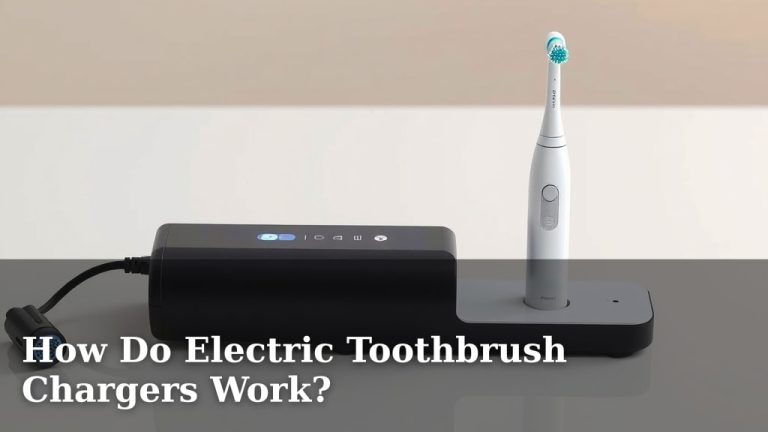
To help the battery last longer, avoid frequent full discharges. It’s generally best to recharge your Sonicare when the battery is low rather than waiting for it to die completely. Many manufacturers suggest keeping it on the charger when not in use, especially for models where the charger is designed for continuous storage charging.
Factors That Can Shorten Your Sonicare’s Life
While we aim for longevity, some things can unintentionally shorten your toothbrush’s lifespan. Dropping your toothbrush is an obvious culprit. Accidental falls can damage internal components or the battery.
Using harsh cleaning chemicals on the handle or immersing the unit in water is another way to shorten its life. Always stick to recommended cleaning methods. Over-tightening the brush head can also put stress on the connection point over time.
When Is It Time for a New Sonicare?
So, how do you know for sure when it’s time to invest in a new Sonicare? If you’ve noticed a significant decrease in battery life, requiring daily charging, it’s a strong indicator. If the brush head connection feels loose or the motor seems noticeably weaker, these are also signs of wear and tear.
Ultimately, if your toothbrush isn’t performing its job effectively, or if it’s become unreliable due to battery issues, it’s probably time for an upgrade. A reliable toothbrush is key to maintaining good oral hygiene.
Maximizing Your Sonicare’s Performance Checklist
Here’s a quick checklist to help you get the most out of your Sonicare:
- Replace brush heads every 3 months.
- Rinse the handle and head after every use.
- Dry the handle thoroughly.
- Charge when the battery is low, not completely dead.
- Keep the charging base clean.
- Handle your toothbrush with care to avoid drops.
Conclusion
You’ve learned that your Sonicare toothbrush is a reliable tool designed to last. With proper care and attention, most users can expect their electric toothbrush to function effectively for 3 to 5 years. The battery’s health is the primary factor in its lifespan, but brush head wear and consistent maintenance play important roles too. By following simple cleaning and charging habits, you can help your Sonicare keep performing at its best for your oral hygiene needs. Your next step is to implement these tips to extend your toothbrush’s life and ensure a healthier smile.
Frequently Asked Questions
How do I know when my Sonicare battery is dying?
You’ll likely notice your Sonicare doesn’t hold a charge as long as it used to. The motor might also feel less powerful, or the battery indicator light may behave strangely. If it stops holding a charge altogether, it’s a clear sign the battery has reached the end of its life.
Can I use a Sonicare toothbrush with a worn-out brush head?
While the toothbrush handle might still work, a worn-out brush head won’t clean your teeth effectively. The bristles will be frayed and splayed, reducing plaque removal and potentially irritating your gums. It’s best to replace your brush head every three months for optimal results.
Is it bad to keep my Sonicare plugged in all the time?
For most modern Sonicare models, keeping it on the charger when not in use is perfectly fine. The charging bases are designed to prevent overcharging and maintain battery health. Some older battery technologies preferred a complete charge and discharge cycle, but this is less common now.
What happens if I accidentally drop my Sonicare toothbrush?
Dropping your Sonicare can potentially damage internal components, including the battery or motor. While it might still work, its performance or lifespan could be compromised. Inspect it for any visible damage and monitor its performance for any changes.
Are there replacement batteries available for Sonicare toothbrushes?
Generally, Philips does not offer user-replaceable batteries for Sonicare toothbrushes. When the battery degrades significantly, the common recommendation is to replace the entire toothbrush handle. However, it’s always worth checking Philips’ official support website for model-specific information or repair options.