Dentist Says: How Often to Replace Electric Toothbrush Head
Dentists generally recommend replacing your electric toothbrush head every 3 to 4 months. This ensures your toothbrush head remains effective at cleaning your teeth and gums. Waiting too long can reduce its cleaning power and may even harbor bacteria.
So, how often should you really swap out that brush head? Research and many dental professionals suggest that this timeframe is ideal for maintaining optimal oral hygiene. A worn-out brush head can be less effective and may even lead to gum irritation. We found that keeping up with this simple change can make a big difference in your dental health.
- Replace your electric toothbrush head every 3-4 months.
- This helps keep it effective for cleaning.
- Worn heads can harm your gums.
- It also prevents bacteria buildup.
Let’s walk through exactly why this recommendation is made and what signs to look for that tell you it’s time for a fresh brush head.
When Should You Swap Your Electric Toothbrush Head?
Dentists and dental professionals widely recommend replacing your electric toothbrush head every 3 to 4 months. This isn’t just a suggestion; it’s a key part of maintaining good oral health. Think of it like changing the filters in your air purifier – you need fresh ones to keep things working effectively.
The 3-Month Mark: Why It Matters
So, why this specific timeframe? Research and dental organizations like the American Dental Association (ADA) suggest this period allows for optimal cleaning. After about three months, the bristles on your toothbrush head start to show wear and tear. They become less firm and less effective at removing plaque and debris from your teeth and along the gumline.
This is especially true if you tend to brush with a bit more pressure than recommended. Even slight bending of the bristles can reduce their ability to clean thoroughly. We found that consistent replacement helps prevent a buildup of bacteria on the brush head itself, which is something nobody wants in their mouth.
Signs It’s Time for a New Head (Even Before 3 Months!)
While 3 to 4 months is the general guideline, there are often visible signs that your brush head needs replacing sooner. Paying attention to these cues can help you keep your oral hygiene at its best.
Frayed Bristles Are a Red Flag
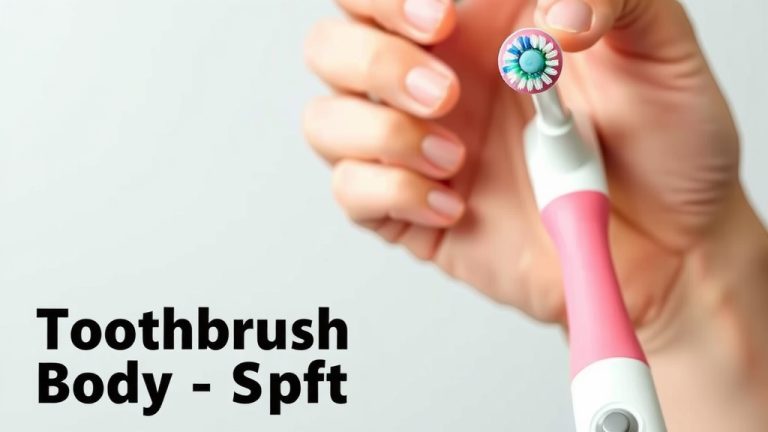
The most obvious sign is when the bristles start to look worn out. If they are splayed, bent, or frayed, their cleaning power is significantly reduced. Imagine trying to scrub a stubborn stain with a brush whose bristles are all bent out of shape. It just won’t work as well, right?
Color Indicators: Are They Fading?
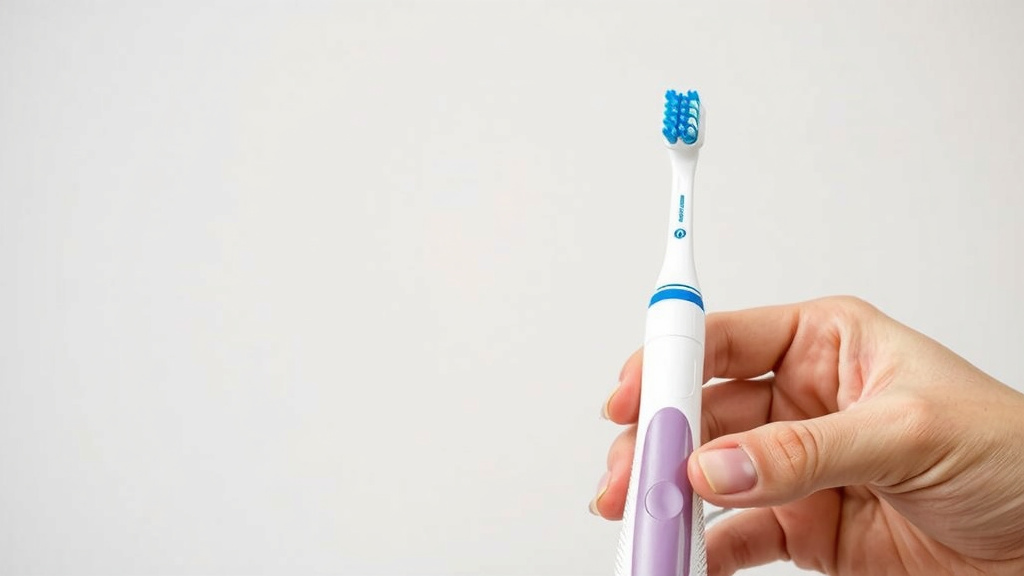
Many electric toothbrush heads come with indicator bristles that fade over time. These are designed to signal when it’s time to replace the head. If these indicator bristles have faded significantly, it’s a clear sign that the head is past its prime for effective cleaning.
Gum Irritation or Bleeding
If you start experiencing more gum irritation or bleeding than usual, your toothbrush head could be the culprit. Worn-out bristles can be harsher on your gums, leading to sensitivity. This is a common reason dentists advise on timely replacement (Cleveland Clinic).
A Change in How It Feels
You might also notice a difference in how your teeth feel after brushing. If they don’t feel as smooth or as clean as they normally do after using your electric toothbrush, it’s a good indicator that the brush head isn’t doing its job effectively anymore.
The Science Behind the Replacement Schedule
Keeping your toothbrush head in good condition is more than just a cosmetic concern; it’s about preventing dental issues. The effectiveness of plaque removal is directly tied to the condition of your toothbrush bristles.
Plaque Removal Efficiency Decreases
Research has shown that worn bristles can lead to a noticeable decrease in plaque removal. Studies found that after just a few months of use, the ability of the toothbrush head to clean effectively diminishes (NCBI). This means you might be brushing, but not getting the clean you think you are.
Bacteria Buildup: A Hidden Concern
Toothbrush heads can harbor bacteria. While rinsing your brush after use helps, a worn-out brush head might be more prone to trapping food particles and developing a more significant bacterial presence. Replacing it regularly helps minimize this risk, keeping your mouth healthier.
Cost-Effectiveness of Regular Replacement
While it might seem like an ongoing expense, replacing your toothbrush head regularly is actually cost-effective in the long run. Preventing cavities and gum disease, which can be exacerbated by ineffective brushing, saves you money on dental treatments down the line.
Making the Switch: A Simple Checklist
To help you stay on track, here’s a simple checklist to remember when it’s time to switch out your electric toothbrush head:
- Check your brush head for frayed or splayed bristles.
- See if the indicator bristles have faded significantly.
- Note any increased gum sensitivity or bleeding after brushing.
- Assess if your teeth feel as clean as they used to.
- Mark a reminder on your calendar for every 3-4 months.
- Consider buying multi-packs to save money and have replacements ready.
| Indicator | Action Needed | Why It’s Important |
|---|---|---|
| Visible Bristle Wear | Replace Immediately | Less effective cleaning, potential gum irritation. |
| Faded Indicator Bristles | Replace within the next week | Means reduced cleaning efficiency. |
| 3-4 Month Mark Reached | Schedule Replacement | Standard guideline for optimal performance. |
| Gum Irritation Increases | Consider Replacing Sooner | Worn bristles can be too harsh. |
So, next time you reach for your toothbrush, take a quick look at the head. Is it time for a fresh start? Making this small change consistently can lead to a noticeably healthier smile.
Conclusion
You’ve learned that replacing your electric toothbrush head every 3 to 4 months is a simple yet vital step for great oral health. This regular swap ensures your brush head stays effective at removing plaque and prevents your gums from irritation. Don’t forget to look for visible signs like frayed bristles or faded indicator colors, as these mean it’s time for a change even sooner. Making this small habit a priority leads to a cleaner mouth and can help you avoid costly dental issues down the road. So, make a note on your calendar and give your smile the fresh start it deserves regularly!
Frequently Asked Questions
How do I know if my electric toothbrush head is worn out?
The most common sign is frayed or splayed bristles that look bent out of shape. Many heads also have indicator bristles that fade over time to show they’re past their best. You might also notice your teeth don’t feel as clean after brushing or experience more gum sensitivity.
Can I use an electric toothbrush head for longer than 4 months?
While you might be tempted, dentists recommend sticking to the 3-4 month replacement schedule. After this period, bristles lose their effectiveness for plaque removal. Using a worn-out head can be less efficient and may even cause gum irritation.
Does my brushing pressure affect how often I need to replace the head?
Yes, if you tend to brush with a lot of pressure, your bristles can wear out faster. Excessive force can cause the bristles to fray and splay prematurely, reducing their cleaning power. This means you might need to replace your head sooner than the standard 3-4 month guideline.
How can I remember to replace my electric toothbrush head on time?
The easiest way is to set a recurring reminder on your phone or calendar for every three months. Some people even write the date they opened a new brush head on the packaging itself. Buying multi-packs can also help, as you’ll have replacements ready when needed.
Are generic replacement heads as good as the brand name ones?
While generic heads can be more affordable, their quality and effectiveness can vary. It’s often best to use the brand-name heads recommended for your specific electric toothbrush model. Research and dental professionals generally find that brand-name heads are designed for optimal performance and safety with your device.